

Temperature is one of the most commonly measured parameters in industrial processes. Whether in oil & gas, pharmaceuticals, food & beverage, energy, or manufacturing, maintaining accurate temperature readings is essential for quality, safety, and efficiency.
But when it comes to calibration, there's often a question: should you calibrate only the temperature sensor or the temperature sensor together with its transmitter? Let's break down the difference.
A sensor-only calibration focuses just on the temperature sensor itself (for example, a thermocouple or RTD). The goal is to verify that the sensor is accurately detecting the true temperature.

In real-world applications, temperature sensors rarely stand alone. Their signals are sent to a transmitter, which converts the sensor's signal into a usable output (such as a 4–20 mA current loop, HART, or digital signal).
Sensor + transmitter calibration means checking both together, as a system. This ensures the temperature displayed at your control system is truly representative of the process temperature.
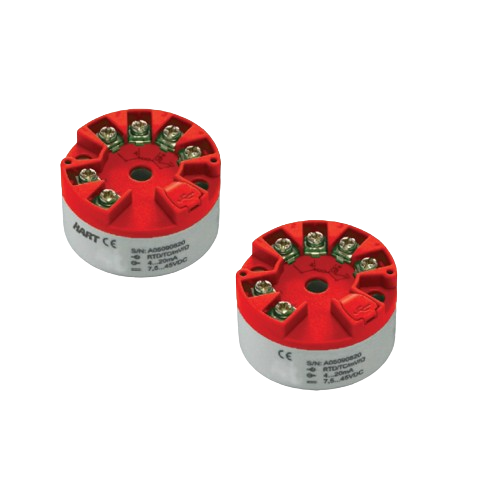
👉 Think of it like cooking with a thermometer: even if the probe is accurate, if the display unit misreads the signal, you won't know your food's true temperature. The same applies in industrial processes.

 Singapore