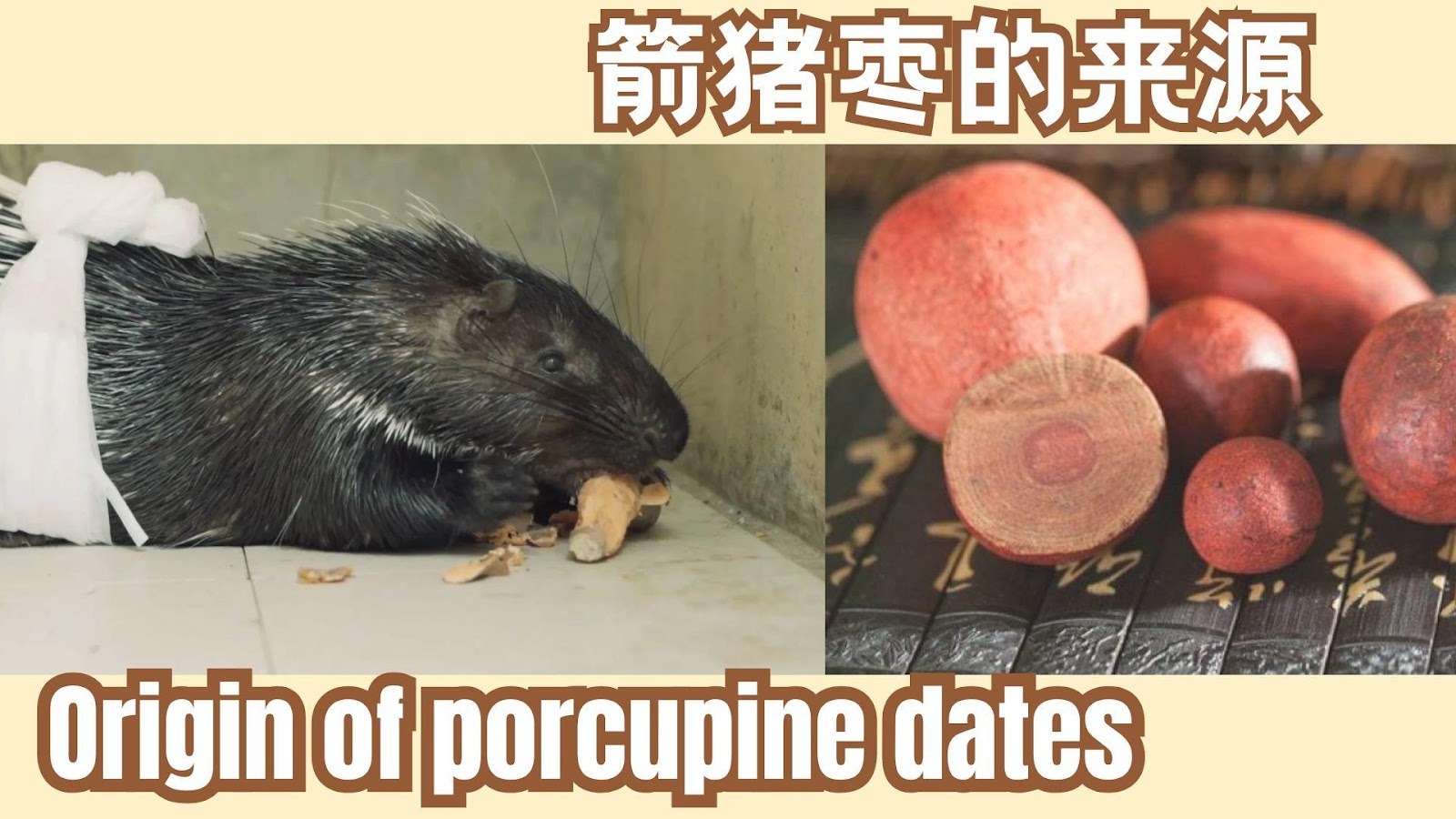
Porcupine date, also known as porcupine bezoar, is a stone-like substance naturally formed inside a porcupine. Similar to bezoars used in traditional medicine, it is highly valued due to its rarity and long-standing traditional use.
Porcupines mainly inhabit Southeast Asia, particularly the forests of the Malay Peninsula and parts of Indonesia, where the natural environment and herbal diversity contribute to the formation of porcupine dates.
Porcupines are known for their strong self-healing instincts. When injured or unwell, they instinctively seek out specific medicinal herbs in the wild.
After digestion, compounds from these herbs interact with antibodies and biological substances in the porcupine’s body. Over a long period of accumulation, residues gradually harden and form a stone-like porcupine date.
The appearance of each porcupine date varies depending on factors such as:
In traditional medicine, porcupine date is believed to support the body in several ways, including:
⚠️ Note: These effects are based on traditional medical concepts and user experiences. Porcupine date is not a medicine and cannot replace professional medical treatment.
Read more: Learn more about the origin and benefits of porcupine date
Wild porcupine dates are extremely rare. The rarer the source, the higher the value. Pricing is influenced by several key factors:
The price of one fen (approximately 0.375 g) can range from a few hundred to several thousand Malaysian Ringgit.
Extracted porcupine date is typically more expensive due to higher purity, concentrated active components, and improved absorption. It is often chosen by individuals undergoing medical treatment or seeking stricter safety standards.
⚠️ Warning: Low-priced porcupine dates are often artificial imitations or sourced from unknown origins. Long-term consumption may burden the liver and kidneys. Always choose certified products.
Fake porcupine dates may contain low-cost materials such as painkillers, steroids, or chemical dyes. Long-term use may burden the liver and kidneys. Always purchase from certified and trusted sources.
For more serious conditions, it may be taken up to three times a day. For mild conditions, one to two times daily is common. Dosage should be guided by professionals based on individual health conditions.
It is generally recommended to take it on an empty stomach, either in the morning or before bedtime, to improve absorption.
Store in a dry, sealed container away from light and moisture. Do not refrigerate or freeze.

 Singapore