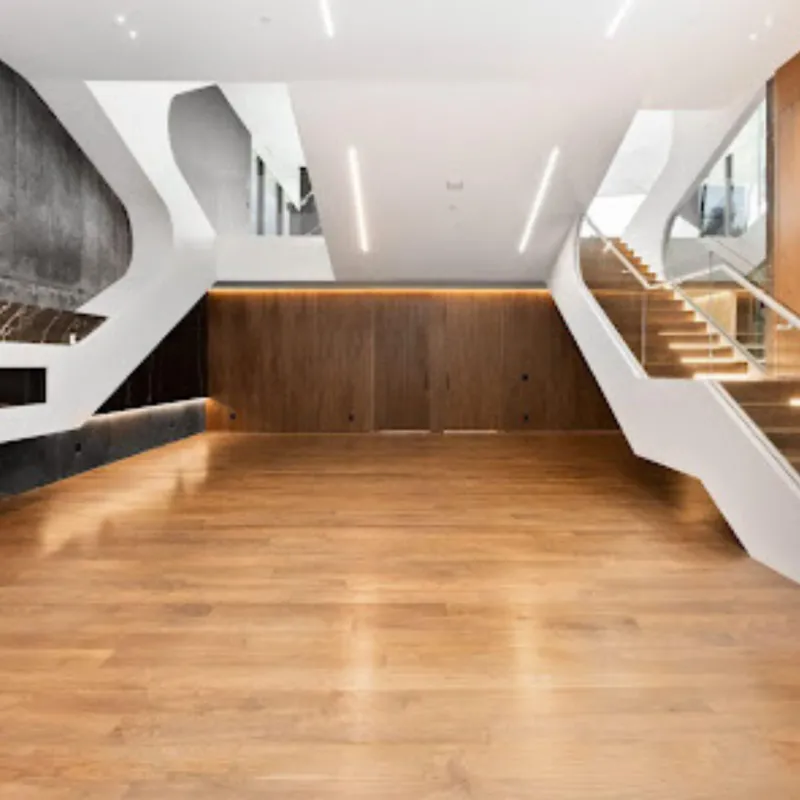
At Queensfloor, we regularly receive calls from homeowners in KL, JB, and Penang who are excited to move into their newly renovated homes — only to be shocked by a sharp chemical smell that makes their eyes water.
Many people brush this off as “new house smell,” but in reality, it is often a Floor Formaldehyde Problem. In Malaysia’s climate and renovation scene in 2026, visual beauty sometimes hides invisible risks. If you are noticing a persistent New House Flooring Smell, your flooring materials could be releasing harmful gases into your living space.
A home should be a place to relax, not somewhere that triggers headaches or breathing discomfort. At Queensfloor, we help homeowners understand the real cause of excess formaldehyde and guide them toward safer, long-term solutions instead of temporary cover-ups.

From Queensfloor’s site inspections, the most common culprit is adhesive-based wood products.
Traditional engineered timber, laminate cores, and low-grade boards often use urea-formaldehyde resins in their glue layers. These chemicals slowly break down and release gas — especially in humid environments like Malaysia. During hot afternoons or rainy seasons, formaldehyde levels can spike dramatically.
We also see higher risk when:
Rooms have poor ventilation
Afternoon sun heats the floor surface
Cheap underlays are used
Contractors rush installation
These factors trap fumes inside the home, turning a renovation dream into a long-term indoor air quality issue.
When homeowners contact Queensfloor after moving in, we usually advise acting quickly.
One professional approach is the bake-out method — sealing the unit during hot hours to accelerate gas release, then ventilating thoroughly with fans and open windows. However, air purifiers alone rarely solve serious cases because the flooring itself continues emitting chemicals.
Natural absorbers like charcoal or vinegar can help mildly, but they are not strong enough when formaldehyde levels remain high months later.
If the smell does not disappear after sustained ventilation, Queensfloor may recommend:
Indoor air testing
Product certification verification
Partial or full flooring replacement
Switching to certified low-emission materials
Our role is to provide clear, honest advice — not quick cosmetic fixes that leave the real problem untouched.
This is one of the most common questions we receive.
High-quality SPC (Stone Plastic Composite) flooring is manufactured using stone powder and resin fused under high heat — eliminating the glue layers that usually cause chemical emissions. This is why properly certified SPC is often promoted as zero- or ultra-low-formaldehyde flooring.
At Queensfloor, we emphasize that not all SPC is equal. Some low-grade products use recycled plastics or uncertified compounds that may still release toxins.
That is why Queensfloor assists homeowners by:
Checking laboratory emission reports
Reviewing E0 / E1 certifications
Verifying factory sources
Matching products to Malaysian climate conditions
This protects clients from investing in another floor that creates the same air-quality problem again.
Choosing flooring based purely on price can be expensive in the long run. A cheap product that causes chemical exposure may lead to medical bills, air treatment costs, and eventual replacement.
Queensfloor believes healthy homes start from the ground up.
Our SPC collections are selected for:
✔ Low-emission cores
✔ Adhesive-free locking systems
✔ Moisture-resistant structure
✔ Suitability for Malaysian weather
Families with young children or pets often choose Queensfloor because they want peace of mind — not worries about what their floors are releasing into the air.
Renovation should improve your quality of life, not compromise it.
Dealing with a Floor Formaldehyde Problem after moving in is stressful and costly. That is why Queensfloor encourages homeowners to be proactive:
Ask for E0 or E1 reports
Demand emission testing documents
Choose reputable brands
Work with experienced installers
With the right materials and professional verification, chemical smells and indoor air risks can be avoided entirely.
At Queensfloor, our goal is simple:
beautiful floors, healthy homes, and complete peace of mind.

 Philippines