

Flat feet, also known as flatfoot, refer to a condition where the natural arch of the foot is underdeveloped or collapsed. The foot arch normally supports body weight and maintains balance. When the arch collapses, additional stress is placed on the feet and surrounding structures, which can lead to multiple physical issues.
Flat feet can affect the body in various ways. Below are some of the main impacts.
The feet are the foundation of the body. When the arch collapses, stability and balance are affected. This can lead to poor posture and place extra strain on the back, neck, and shoulders.
Poor posture from flat feet can increase the load on the spine. Over time, muscles and ligaments may overstretch, resulting in discomfort. Uneven weight distribution can also affect the knees and hips, exacerbating back issues.
Without proper arch support, the feet bear extra stress, leading to soreness in the soles, fatigue, and stiffness in foot muscles and ligaments, which reduces flexibility.
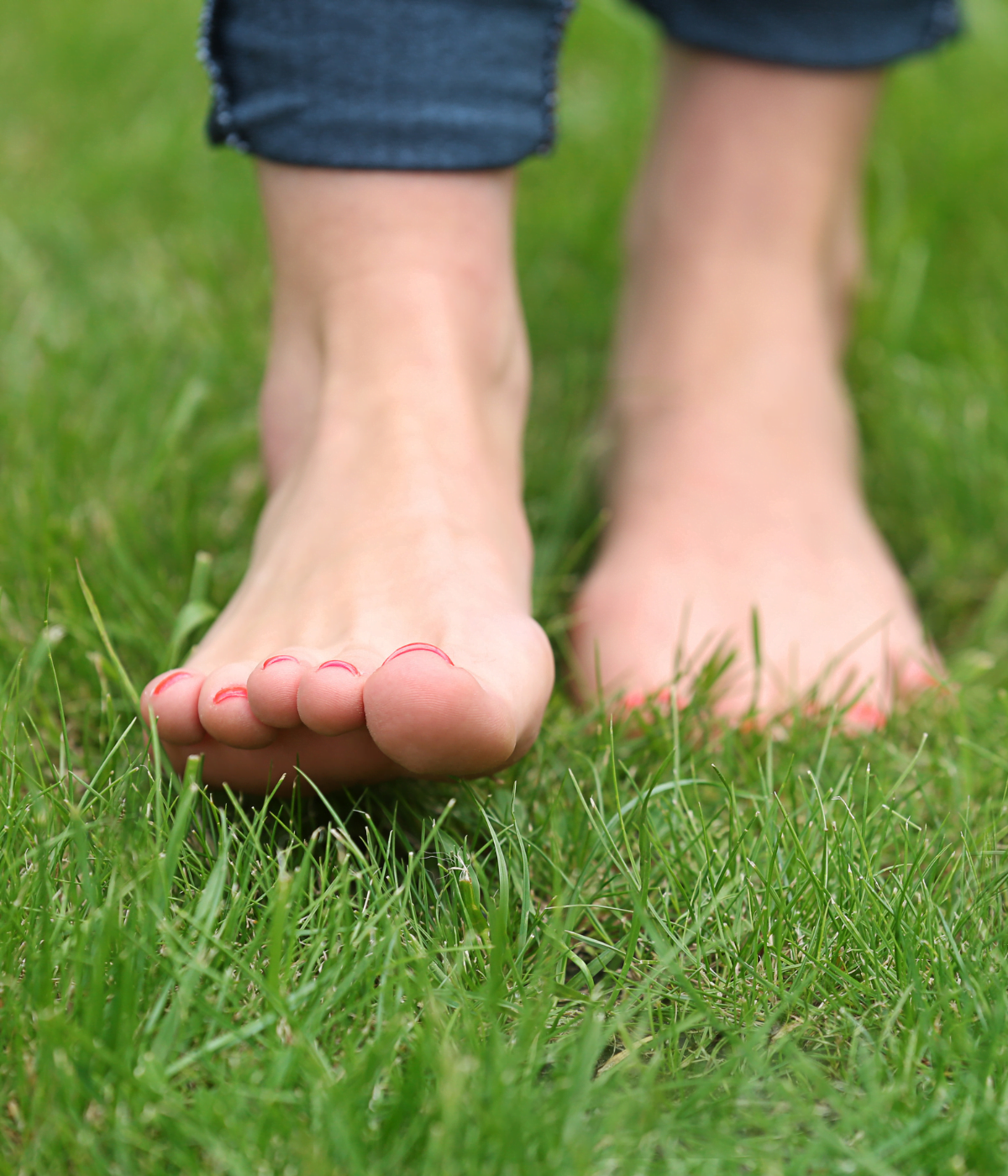

Flat feet reduce efficiency during physical activity. Poor posture and instability can affect coordination, increase the risk of injury, and cause quicker fatigue during standing or walking.
During running, jumping, or other high-impact activities, flat feet place extra stress on ankles and soft tissues, increasing the risk of sprains, plantar fasciitis, and Achilles tendon strain.
In children, flat feet can interfere with normal development of bones, muscles, and ligaments, affecting posture and movement patterns over time.
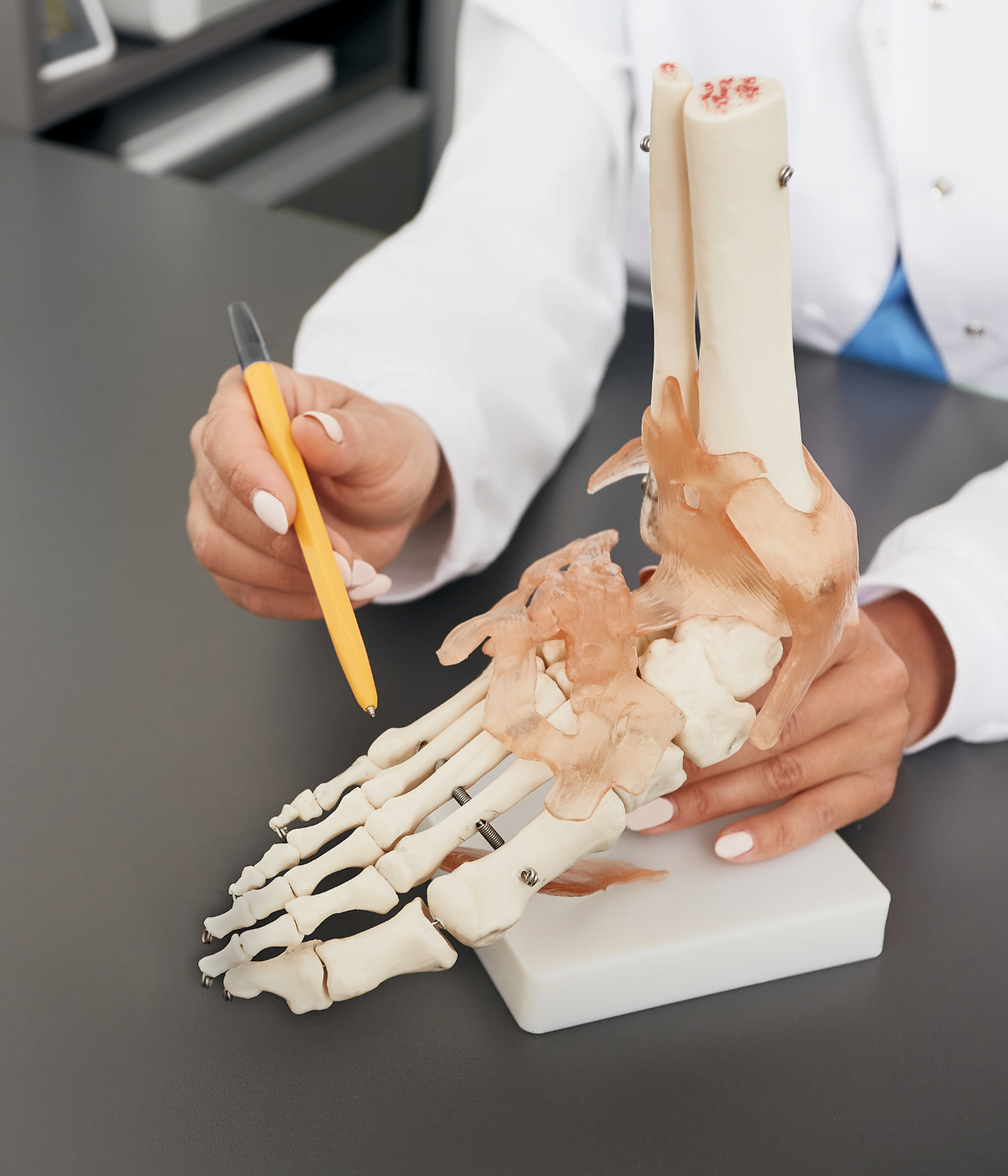
In summary, flat feet can impact balance, posture, comfort, and physical performance. Without proper support or management, this condition may lead to ongoing discomfort, reduced mobility, and higher risk of injury.

 Philippines