
The vibrant and dynamic nature of LED SCREEN DISPLAY make them far more engaging than static displays like billboards or posters, so they’re also strongly favoured for corporate events or educational settings like schools. Images, video and text can all be utilised to introduce concepts, reinforce messages, or spark debate. See, that’s one of the beautiful things about LED digital signage – the viewer might not even always agree with the message, but they’re certainly sure to remember it.
.png)
The LED display technology powering these screens is all based on the capabilities of Light Emitting Diodes, which are solid-state devices that use semi-conductors and electroluminescence to create light. We’ll spare you the detailed physics lesson, but essentially when an electric current is passed through a semi-conductor, it responds by emitting light. Electroluminescence is the scientific term used for that process.
One of the key reasons why LED display technology is such an improvement on older lighting technologies like incandescent lighting is that it doesn’t rely on generating heat energy to produce light. Instead, it only uses a relatively small amount of electricity, and it converts that directly into light, without wasting any energy on heat. That makes it far more energy efficient than incandescent lighting, and partially why you might sometimes hear it referred to as cold light technology.
Now, the very earliest models of LED screens were only able to emit an infrared light, but we’ve had the benefit of fifty years of steady technological advancement since then. Today, each one of these modern LEDs is capable of emitting three main colours: green, red, and blue. These colours can be balanced and combined to make more complex and vibrant colour combinations, essentially allowing the LED screen to express the full range of the spectrum.
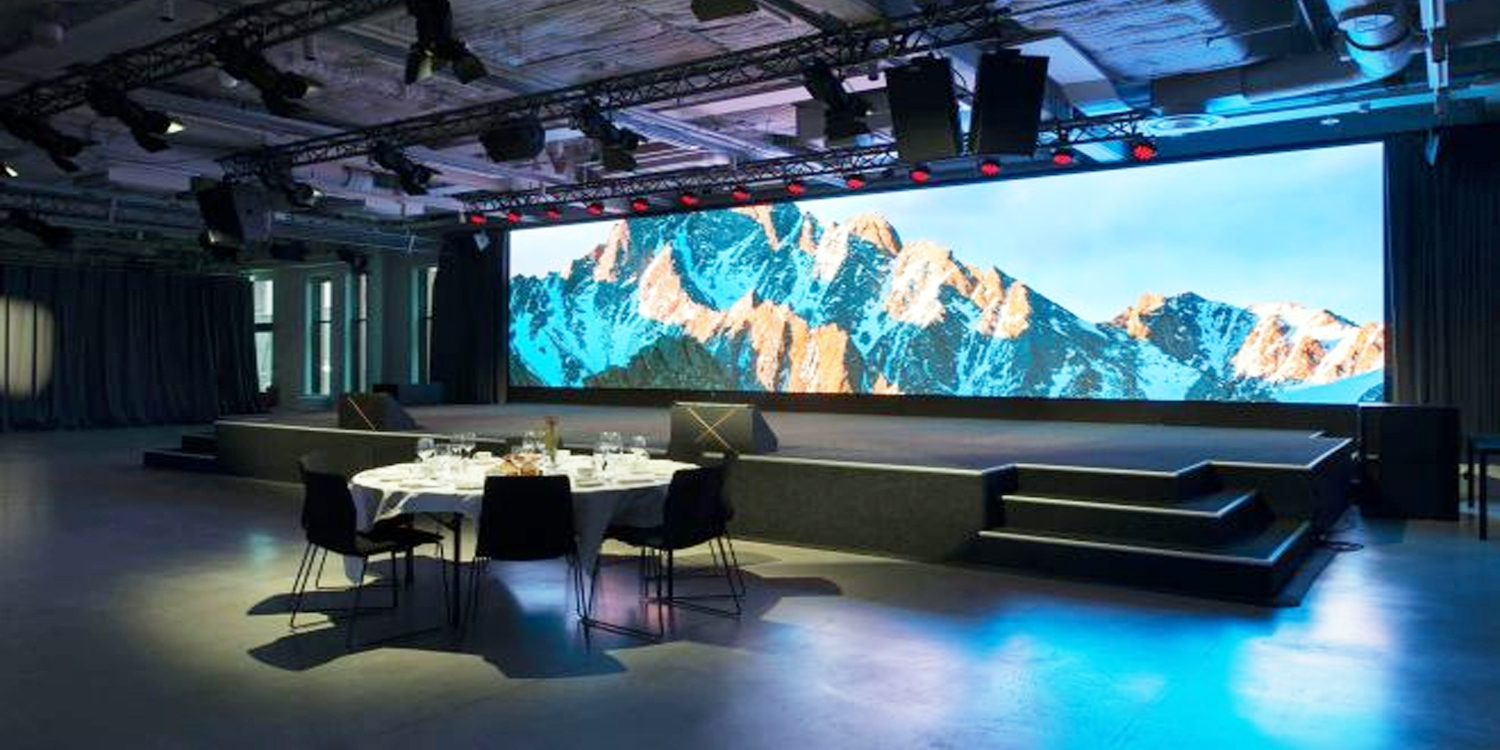
Large format LED screens are some of the most versatile display solutions on the market, capable of making a significant visual impact in a wide range of environments.

 Malaysia


