

You finish a hard run, leg day, or weekend match feeling strong, then the stiffness hits a few hours later. Your calves tighten, your shoulders feel heavy, and simple movements start to feel harder than they should. That is usually the point when people start asking whether sports massage for recovery actually works, or whether it just feels good for a day.
The honest answer is that it can help, but only when it is used for the right reason and at the right time. Recovery is not one thing. It can mean reducing post-exercise soreness, settling muscle tension, improving movement after repetitive training, or supporting rehabilitation after an injury. A good sports massage should match that goal instead of being treated like a one-size-fits-all fix.
Sports massage is a hands-on treatment aimed at muscles, fascia, and soft tissue that have been stressed by training, competition, repetitive movement, or injury. It is not just a relaxing spa massage with a different name. The pressure, technique, and treatment area are usually more specific, especially when recovery and performance are the goal.
For many people, the biggest benefit is reduced muscle tightness. When tissue feels overloaded, it can become sensitive, stiff, and less efficient during movement. Massage can help calm that area down, improve tissue mobility, and make it easier to move without feeling restricted.
It may also improve your awareness of how your body is moving. That matters more than people think. If your hips are tight, your ankle mobility is limited, or one side of your back is working harder than the other, your training quality drops. Recovery is not only about feeling less sore. It is also about restoring better movement so the next session does not place the same stress on the same problem area.
Sports massage tends to work best when the issue is muscular overload rather than a more serious structural problem. If you have heavy legs after sprint work, tight shoulders from swimming, or a stiff lower back after long hours sitting and training, massage may be useful because it addresses soft tissue tension directly.
It can also help after intense blocks of training, especially when the body feels generally fatigued and movement quality has dropped. Some people use it between events, after races, or during return-to-sport rehab when tissue needs to tolerate loading again.
There is also a practical benefit that patients often notice right away. After targeted massage, movement can feel easier. That short-term change matters because it may help you walk, bend, lift, or train with better mechanics. In a clinical setting, that improvement can open the door for more effective stretching, strengthening, and rehab work.
This is where many people get stuck. They keep booking massages for the same tight hamstring, painful shoulder, or recurring calf strain, but the problem keeps returning. That usually means the tissue is reacting to a larger issue.
Sometimes the real cause is poor load management. You increased mileage too quickly, returned to sport too early, or trained hard without enough rest. Sometimes it is a mobility or strength deficit. In other cases, the pain is coming from a joint, tendon, nerve, or spine rather than from the muscle itself.
In those situations, massage may help symptoms without fixing the reason they started. That is why proper assessment matters. A therapist should be able to tell whether your pain is mainly soft tissue-related or whether you need a broader treatment plan that includes rehabilitation, mobility work, strengthening, or manual therapy beyond massage alone.

A common question is whether you should get a massage immediately after exercise or wait until the next day. It depends on how hard you trained, how your body responds, and what the treatment is trying to achieve.
After a very intense session or competition, deep pressure right away is not always the best choice. The tissue may already be irritated, and aggressive treatment can leave it feeling more sensitive. In that setting, a lighter recovery-focused approach is often better. The goal is to settle tension and help the body recover, not to force change into tissue that is already overloaded.
If you are dealing with longer-term tightness or movement restriction, a firmer and more focused session later may be appropriate. The key is dosage. Good treatment should challenge the tissue without making you significantly worse afterward.
That is especially important if you are training again soon. You do not want a massage so intense that it leaves your muscles sore for the next workout. Recovery treatment should support performance, not sabotage it.
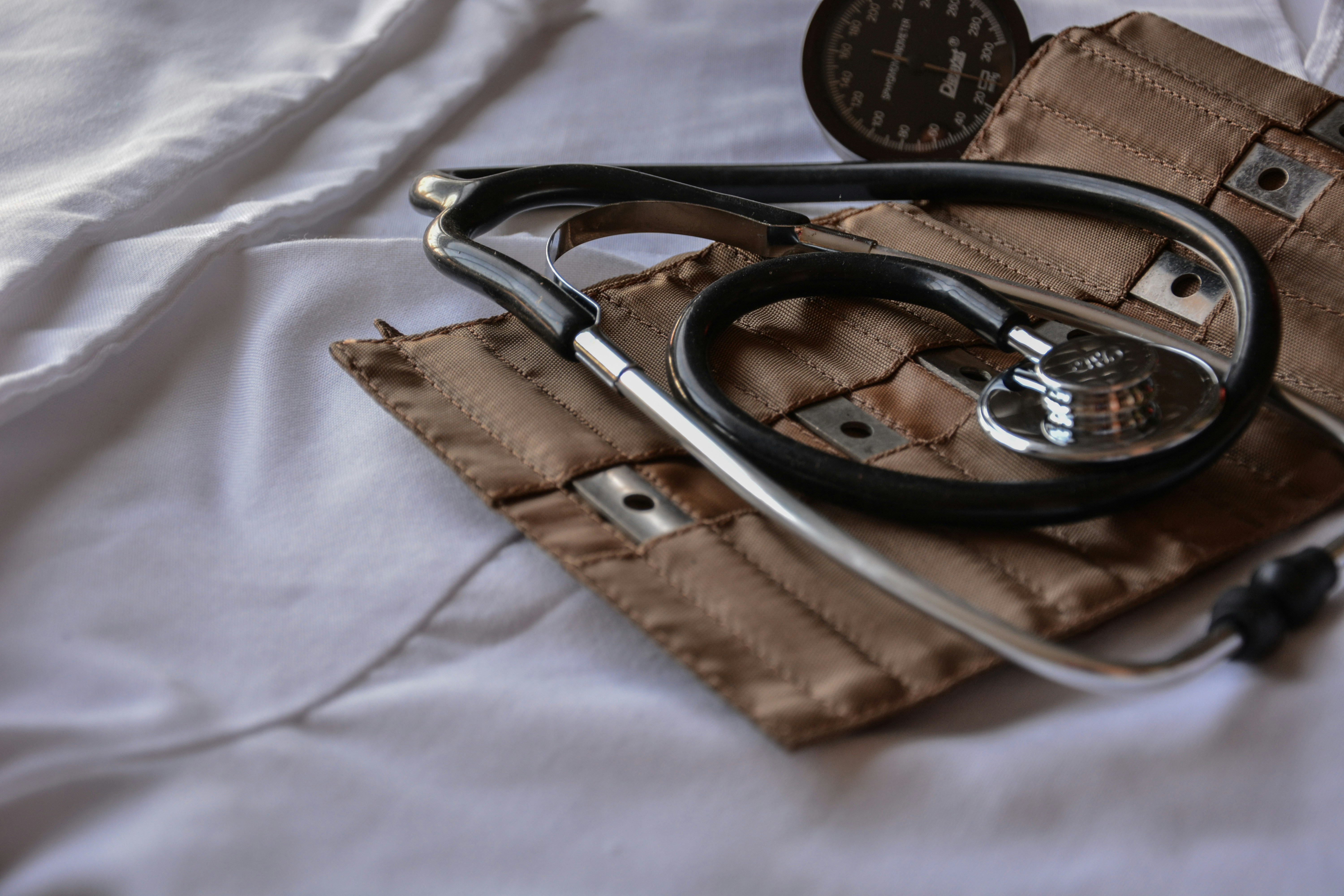
A useful sports massage session should start with questions, not pressure. Where is the tightness? When did it start? What sport or activity triggered it? Is it sore only after training, or also during daily movement? Has your performance changed?
That brief assessment helps guide treatment. If your therapist goes straight into the same routine every time, it becomes generic care. Recovery work should be targeted. A runner may need calf, hamstring, and hip work. An office worker who trains after hours may need chest, neck, and thoracic treatment because posture and desk time are contributing to the problem.
You should also expect the therapist to adjust based on your response. More pressure is not always better. Effective hands-on treatment is about precision. The right technique, in the right area, for the right duration usually matters more than trying to tolerate maximum pain.
At clinics that take a more results-driven approach, massage is often combined with movement advice or simple rehab exercises. That combination tends to produce better outcomes than massage alone because it gives your body a way to hold onto the improvement.
One myth is that bruising means the treatment worked. It does not. Bruising usually means tissue was overloaded. A good session may feel intense, but it should not leave you feeling beaten up.
Another myth is that sports massage removes all soreness instantly. Sometimes people feel immediate relief, but delayed onset muscle soreness and fatigue do not always disappear in one session. Massage can reduce the sense of tightness and help you move more comfortably, but it is not magic.
There is also the belief that every athlete needs regular massage no matter what. Some people benefit from frequent treatment during heavy training periods. Others do well with occasional sessions plus a strong rehab and conditioning plan. The right schedule depends on your training load, injury history, recovery habits, and current symptoms.

If your main issue is muscle heaviness, post-training tightness, or general stiffness that improves with movement, sports massage may be a good place to start. If the pain is sharp, keeps returning, affects your strength, causes numbness, or limits function during daily activities, you may need a more thorough physiotherapy assessment.
That distinction matters because the best recovery plan is not always the most comfortable one. Sometimes the right answer is hands-on soft tissue work. Sometimes it is tendon loading, mobility retraining, or joint treatment. At Benphysio, the focus is on identifying the source of the problem first, then choosing the treatment that actually matches it.
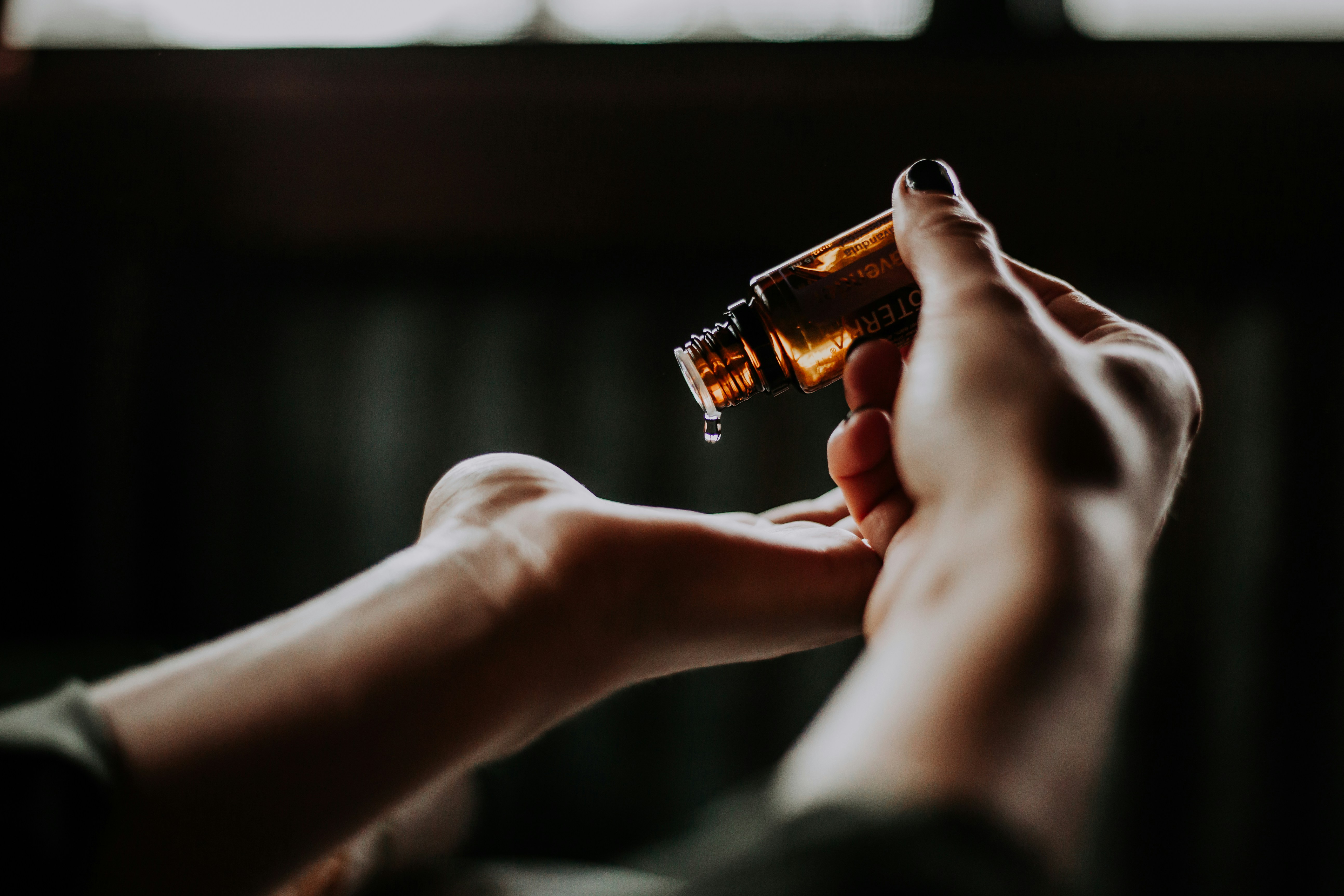
Massage works better when it is part of a wider recovery plan. Sleep, hydration, training load, nutrition, and active rehab all influence how your body responds. If those pieces are poor, one massage session will only do so much.
It also helps to be clear about your goal. Are you trying to feel looser before an event, recover after a heavy week, or deal with a recurring area of tension that is starting to affect performance? That goal changes the type of treatment you need.
For active adults, runners, gym-goers, and recreational athletes, the most useful approach is usually simple: treat the tight tissue, correct the movement problem behind it, and return to activity with a plan. That is how recovery becomes more than short-term relief.
If your body keeps asking for the same help after every workout, listen to that pattern. The best recovery tool is the one that not only eases pain today but also helps you move better tomorrow.
Relieve Muscle Pain. Enhance Recovery. Boost Performance
Book Your Session now!

Expert Physiotherapy & Sports Recovery Near You – We offer sports massage, deep tissue therapy, injury rehabilitation, and recovery programs for conditions such as back pain, neck pain, slipped discs, knee pain, sciatica, and sports injuries. Whether you’re an athlete, recovering from surgery, or managing chronic pain, our personalised treatments help you move better, recover faster, and stay active.
At our clinic, we provide a full range of physiotherapy and sports recovery services to support your health and performance. Our treatments include sports massage, deep tissue massage, sports injury massage, rehabilitation massage, recovery massage, myofascial release, trigger point therapy, mobility massage, kinesiology massage, and targeted therapy for sprains, strains, and muscle tension. We also offer pre-event and post-event sports massage, manual therapy for athletes, and injury prevention programs.
We treat a wide variety of conditions, including back pain, lower back pain, neck pain, shoulder pain, stiff neck, slipped discs (L4L5), scoliosis, spinal pain, sciatica, nerve pain, carpal tunnel syndrome, ACL injuries, knee arthritis, osteoporosis, osteoarthritis, headaches, migraines, jaw pain, TMJ disorders, sports injuries, posture issues, pregnancy pain, frozen shoulder, and post-surgery rehabilitation. We also address gastric issues, bloating, shortness of breath, foot cramps, and numbness.
Conveniently located across Malaysia, we welcome clients from Kuala Lumpur, Selangor, Melaka, Johor, and Pahang — including key areas such as KLCC, Bangsar, Cheras, TTDI, Mont Kiara, Petaling Jaya, Shah Alam, Subang Jaya, Puchong, Klang, Ayer Keroh, Johor Bahru, Iskandar Puteri, Skudai, Kuantan, and more. If you’re nearby, you’re close enough to benefit from our professional physiotherapy services. Book your appointment today and take the first step towards a stronger, pain-free you.

 Philippines