

Porcupine Bezoar (also known as Porcupine Dates or River Porcupine Bezoar) is often described as a rare natural crystal formed by nature itself. Interestingly, its color, shape, and scent are never random — each feature reflects a unique and slow natural process.
Today, we set aside discussions about authenticity testing and market prices. Instead, from a lighter and more relaxed perspective, let’s explore the natural codes hidden within porcupine bezoars, and why no two pieces are ever exactly the same.
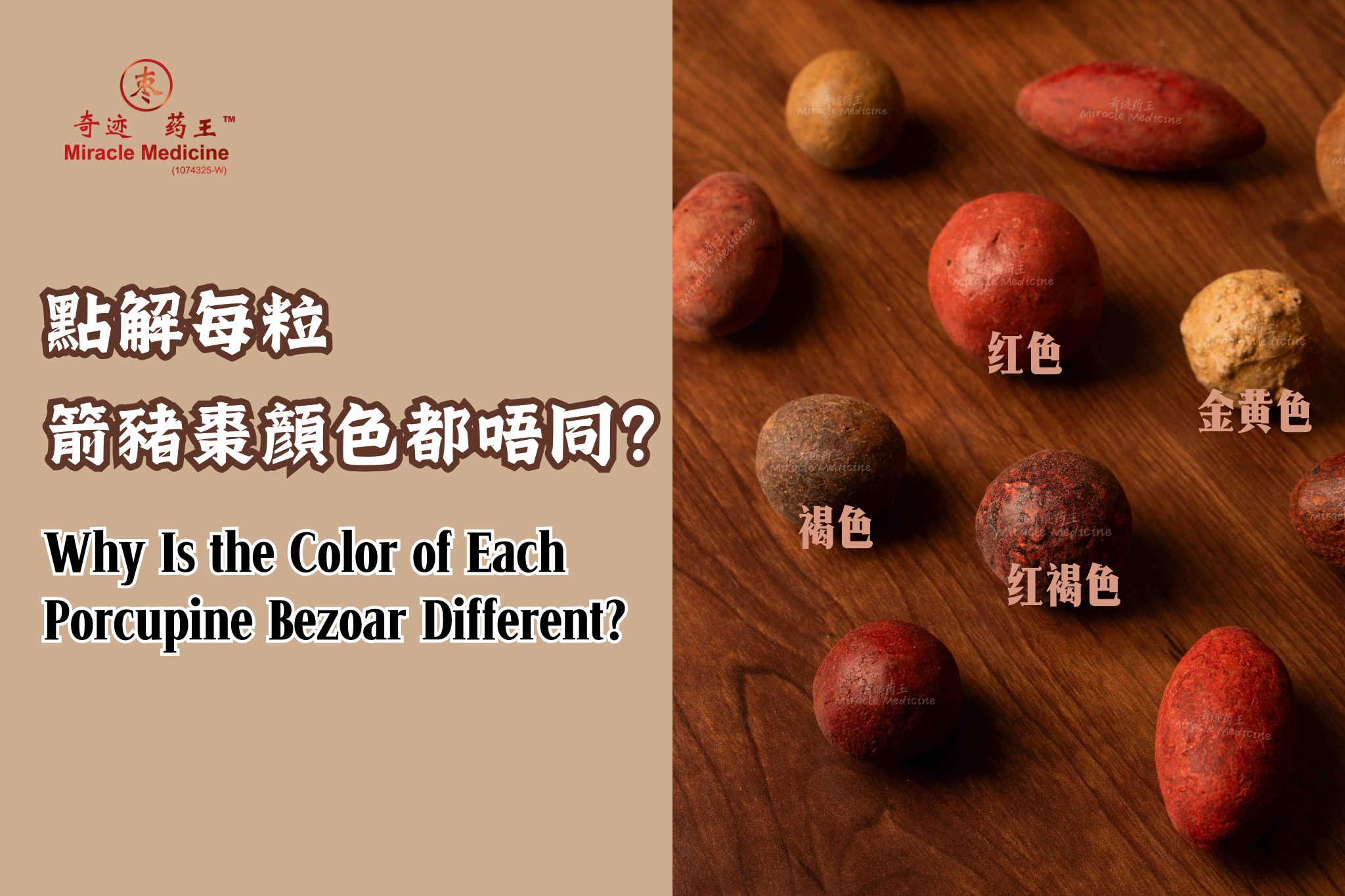
Porcupines live deep within forests and mountainous regions, where their diets vary greatly. They consume a wide range of herbs, tree roots, fruits, bark, and wild plants, depending on habitat and season.
Over time, natural elements gradually accumulate inside the body, including:
These factors work together to form the base color of each porcupine bezoar, making every piece naturally unique.
This gradual deepening is similar to natural aging — time always leaves a trace, even in natural crystals.
Once a porcupine bezoar is removed from the body and exposed to air, natural oxidation begins to occur:
These changes are not defects. They are part of the natural interaction between organic material and the environment.
A naturally formed, high-quality porcupine bezoar typically carries a mild and subtle scent, such as:
If a bezoar emits an overly strong, pungent, or unusual odor, it is often linked to improper storage or artificial processing, rather than its natural formation.
Many first-time observers expect porcupine bezoars to look smooth, round, and flawless. In reality, nature rarely creates things that are perfectly uniform.
Naturally formed porcupine bezoars usually show:
These “imperfections” reflect a slow and organic formation process inside the body over time. By contrast, products that appear overly smooth or identical often raise questions about their origin, as such consistency is uncommon in natural formation.
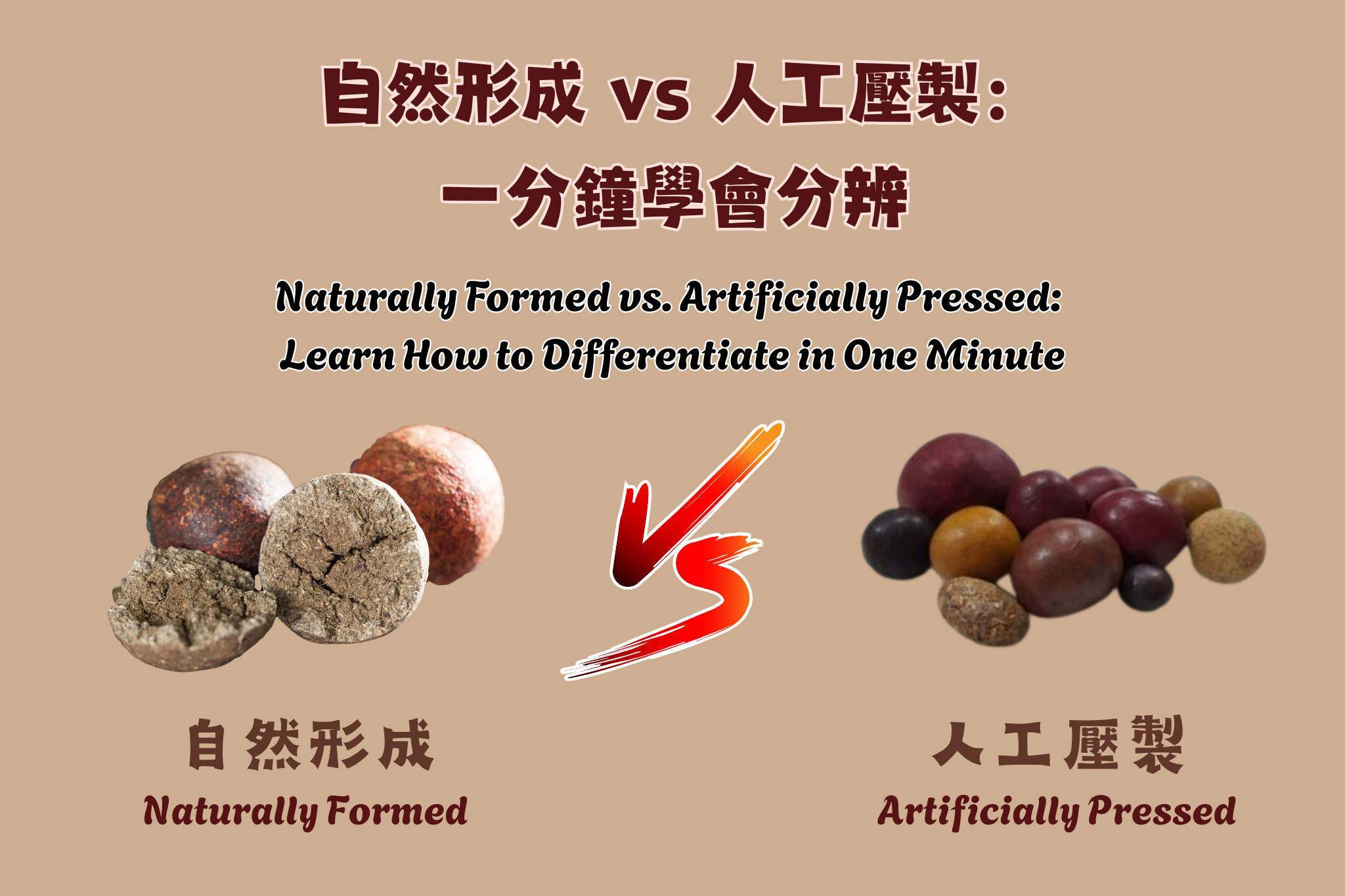
These points are for general reference only and should not be used as a single or absolute judgment standard.
They should be kept in a cool, dry place, away from direct sunlight and humid environments.
Not necessarily. Color alone is not the deciding factor. Internal structure and natural formation are more important considerations.
Some traditional usage experiences suggest avoiding certain foods. Actual needs vary from person to person, so professional advice is recommended.
They are generally referenced for daily wellness or traditional supportive use. They are not intended to replace medical treatment, and suitability depends on individual constitution and professional guidance.

 Philippines