

Plantar fasciitis is a common foot condition caused by damage or inflammation to the plantar fascia. This tissue runs from the heel bone to the Achilles tendon, and inflammation can result in significant discomfort. Below is an overview of symptoms, causes, diagnosis, and treatment options.
Symptoms often include foot pain that is most noticeable when first standing in the morning or after long periods of rest. Patients may feel dull, burning, or stabbing sensations on the bottom of the foot. Pain typically occurs near the heel attachment of the fascia but can also affect the entire sole.
Plantar fasciitis can result from:
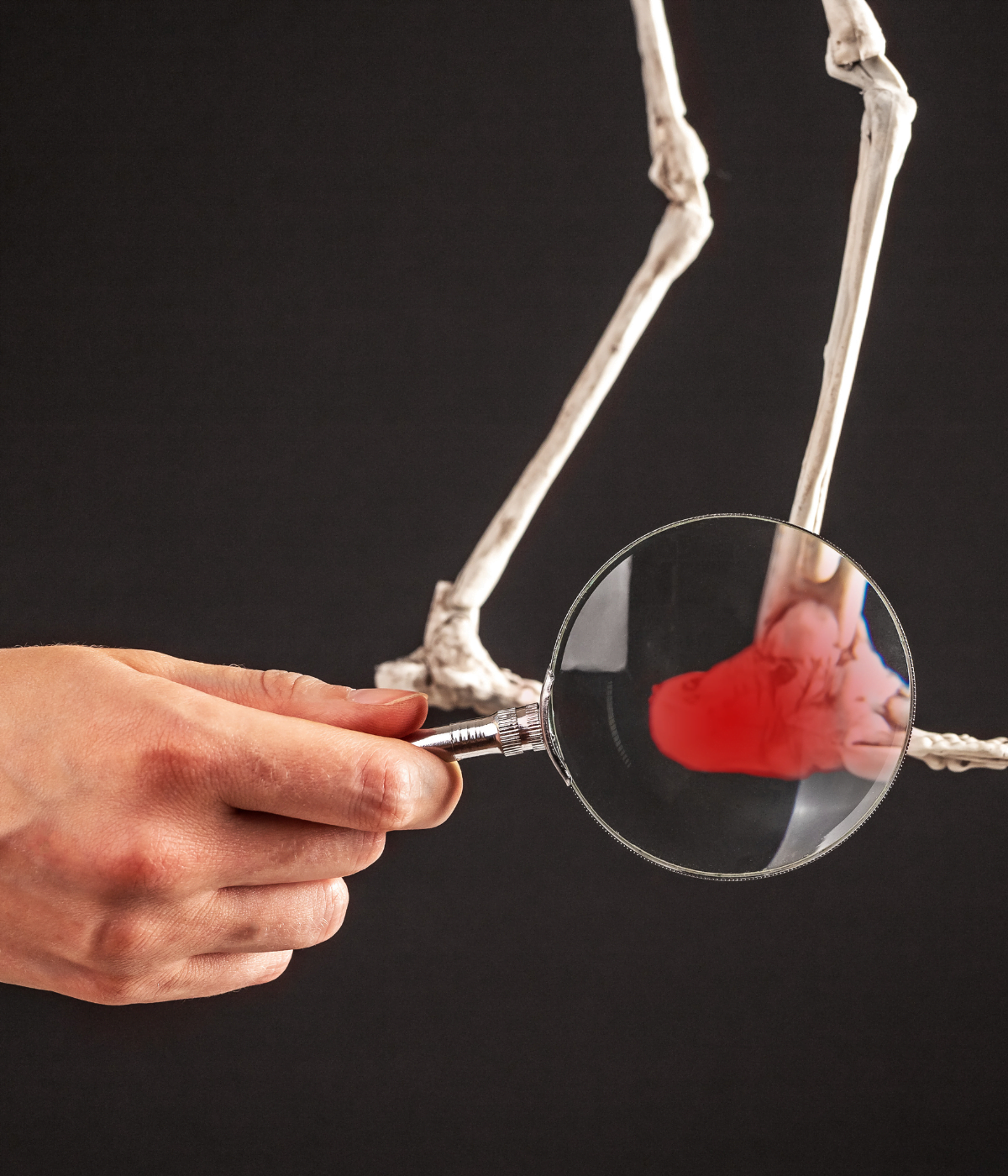

Medical evaluation is recommended for individuals experiencing foot pain. Doctors typically assess symptoms, medical history, and perform physical examinations. Imaging studies such as X-rays or MRI may be used to confirm the diagnosis and determine the severity of plantar fasciitis.
Treatment depends on the severity of the condition and may include:


Rest appropriately: After prolonged standing, walking, or running, allow the feet to rest and relax.
Warm up before exercise: Proper warm-up helps prevent injury and inflammation in foot muscles and fascia.
Wear appropriate footwear: Shoes that support and stabilize the feet reduce stress on muscles and fascia.
Maintain a healthy weight: Reducing excess weight lowers pressure on the plantar fascia and muscles.

 Philippines