The Cross-Legged Chair Habit: How Asymmetrical Sitting Can Contribute to Pelvic and SI Joint Pain
Why Sitting Cross-Legged Every Day May Be Causing Your Lower Back and Hip Pain
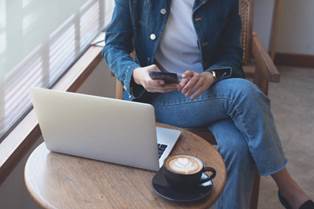 Do you automatically cross one leg over the other every time you sit? Whether you're working in the office, attending meetings, studying, or relaxing at home, sitting cross-legged is a habit for many people.
While crossing your legs occasionally is generally not harmful, staying in the same asymmetrical position for prolonged periods may contribute to muscle imbalances, pelvic discomfort, and lower back pain in some individuals.
At Urban Sports & Physio Centre Johor Bahru, we often assess patients with persistent hip pain, buttock discomfort, or lower back stiffness whose everyday sitting habits may be adding unnecessary stress to their bodies. Improving sitting posture is often one part of a comprehensive rehabilitation plan.
Do you automatically cross one leg over the other every time you sit? Whether you're working in the office, attending meetings, studying, or relaxing at home, sitting cross-legged is a habit for many people.
While crossing your legs occasionally is generally not harmful, staying in the same asymmetrical position for prolonged periods may contribute to muscle imbalances, pelvic discomfort, and lower back pain in some individuals.
At Urban Sports & Physio Centre Johor Bahru, we often assess patients with persistent hip pain, buttock discomfort, or lower back stiffness whose everyday sitting habits may be adding unnecessary stress to their bodies. Improving sitting posture is often one part of a comprehensive rehabilitation plan.
What Happens When You Sit Cross-Legged?
When you place one leg over the other, your body naturally shifts.
This position can lead to:
- Rotation of the pelvis
- Uneven weight distribution
- Different levels of muscle activity between the left and right sides
- Increased pressure through one hip
Over time, remaining in this posture for long periods may contribute to stiffness and discomfort, particularly if it is repeated day after day.
Understanding the Sacroiliac (SI) Joint
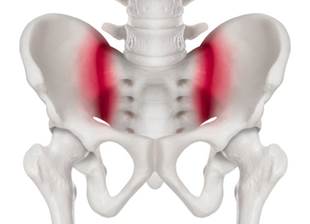 The Sacroiliac (SI) joint connects your spine to your pelvis.
Its primary functions include:
The Sacroiliac (SI) joint connects your spine to your pelvis.
Its primary functions include:
- Transferring forces between the upper and lower body
- Providing stability during standing and walking
- Absorbing shock during movement
Although the SI joint normally moves only a small amount, prolonged asymmetrical loading may irritate surrounding muscles, ligaments, or the joint itself in some people.
Common symptoms associated with SI joint irritation include:
- Pain on one side of the lower back
- Pain near the buttock
- Discomfort when standing after prolonged sitting
- Pain while climbing stairs
- Difficulty changing positions
Because several conditions can produce similar symptoms, a professional assessment is important to identify the true cause.
Why Asymmetrical Sitting Matters
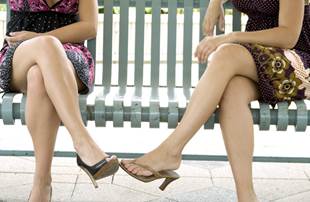 Your body functions best when loads are distributed evenly.
If you consistently cross the same leg over the other:
Your body functions best when loads are distributed evenly.
If you consistently cross the same leg over the other:
- One hip may remain in a more rotated position.
- One side of the pelvis may bear more pressure.
- Certain muscles may shorten while others become relatively weaker.
- Your trunk may subtly lean to one side.
These repeated patterns can contribute to movement inefficiencies and discomfort over time.
The Muscles Most Affected
Prolonged cross-legged sitting can place sustained demand on muscles such as:
Gluteal Muscles
Important for pelvic stability during walking and standing.
Hip Flexors
May become stiff after prolonged sitting.
Deep Hip Rotators
Remain in altered positions for extended periods.
Lower Back Muscles
May work harder to compensate for uneven pelvic positioning.
Maintaining regular movement and strengthening these muscle groups can help improve overall function.
Signs Your Sitting Habit May Be Contributing to Pain
You may benefit from reviewing your sitting posture if you experience:
- One-sided lower back pain
- Buttock discomfort
- Hip tightness
- Pain after sitting for long periods
- Feeling "crooked" when standing up
- Recurring stiffness that improves after walking
These symptoms can have multiple causes, so an assessment is recommended if they persist.
Better Sitting Habits for a Healthier Spine
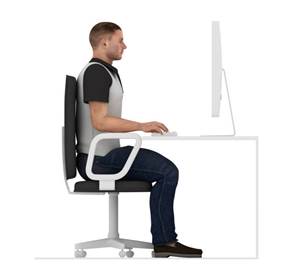 Instead of keeping one leg crossed for extended periods:
Sit With Both Feet Supported
Keep both feet flat on the floor whenever possible.
Instead of keeping one leg crossed for extended periods:
Sit With Both Feet Supported
Keep both feet flat on the floor whenever possible.
Change Positions Frequently
The best posture is often the next posture.
Aim to adjust your sitting position regularly rather than remaining perfectly still.
Stand Up Every 30–45 Minutes
Take a brief walk or perform gentle stretches to reduce prolonged loading.
Keep Hips and Knees Comfortable
Your hips and knees should generally rest at about 90 degrees with good support from the chair.
Avoid Leaning to One Side
Try to distribute your body weight evenly across both sitting bones.
Exercises That Help Counter Prolonged Sitting
Glute Bridges
Strengthen the hips and support pelvic stability.
Clamshell Exercises
Improve hip control and strengthen the gluteus medius.
Hip Flexor Stretch
Reduce tightness from prolonged sitting.
Cat-Cow Mobility Exercise
Encourage gentle spinal movement after sitting.
Bird Dog Exercise
Improve coordination, balance, and trunk stability.
Can Crossing Your Legs Cause SI Joint Pain?
Crossing your legs alone does not necessarily cause SI joint problems.
However, if someone already has reduced hip mobility, muscle weakness, poor movement control, or spends many hours sitting in one position, prolonged asymmetrical postures may contribute to discomfort.
Usually, pain develops because of multiple contributing factors rather than one habit alone.
When Should You See a Physiotherapist?
Seek professional assessment if you experience:
- Persistent lower back pain
- Pain around the pelvis or buttock
- Difficulty standing after sitting
- Pain during walking or climbing stairs
- Recurrent episodes of hip or SI region discomfort
Early assessment helps identify the underlying cause and guide appropriate treatment.
How Physiotherapy Can Help
At Urban Sports & Physio Centre Johor Bahru, we provide a detailed assessment to understand why your pain is occurring.
Our evaluation includes:
- Sitting posture analysis
- Pelvic alignment assessment
- Hip mobility testing
- Core stability assessment
- Functional movement analysis
- Workplace ergonomic advice
Treatment may include:
- Manual therapy
- Soft tissue techniques
- Joint mobilisation
- Core strengthening
- Hip strengthening
- Mobility exercises
- Postural education
- Individualised home exercise programmes
Rather than simply treating symptoms, we aim to address the movement patterns contributing to your discomfort.
Small Sitting Habits Can Make a Big Difference
Many office workers spend eight or more hours sitting each day.
Even small postural habits repeated hundreds of times each week can influence how your muscles and joints feel.
You don't need to sit perfectly all day. Instead, focus on moving regularly, varying your posture, strengthening your body, and avoiding prolonged positions.
At Urban Sports & Physio Centre Johor Bahru, we help patients understand how everyday habits affect their musculoskeletal health so they can move with greater comfort, confidence, and resilience.
Conclusion
Sitting with your legs crossed occasionally is unlikely to cause problems for most people. However, spending long periods in the same asymmetrical position, especially if combined with prolonged sitting, weak core muscles, reduced hip mobility, or poor workstation ergonomics can contribute to lower back, pelvic, hip, or SI joint discomfort.
The key to protecting your spine is not avoiding one specific posture altogether, but maintaining variety in your movements, taking regular standing breaks, strengthening your core and hips, and using ergonomic sitting habits throughout the day.
At Urban Sports & Physio Centre Johor Bahru, we assess the underlying causes of back and pelvic pain through comprehensive movement analysis and provide evidence-based physiotherapy programmes tailored to your daily activities, work demands, and lifestyle.
Healthy movement isn't about sitting perfectly, it's about moving often, moving well, and giving your body the support it needs every day.
#SIJointPainJB#PelvicPainJB#BackPainJB#PhysioJohorBahru#UrbanSportsPhysioJB#SIJointPain#PelvicPain#LowerBackPain#Physiotherapy#PostureCorrection#CrossLeggedSitting#CrossLeggedSittingPosture#HowToPreventSIJointPain#PelvicAlignmentExercises#LowerBackPainFromSitting#UrbanSportsPhysio#UrbanSportsAndPhysioCentre#UrbanSportsRehabCentre#MoveBetterFeelBetter#PainFreeMovement
URBAN SPORTS & REHAB CENTRE 位于马来西亚新山,提供物理治疗,帮助您康复并改善健康状况。立即探索我们的物理治疗服务。
Posted by URBAN SPORTS & REHAB CENTRE on 30 Jun 26



 Malaysia