


Repeated School or Group Design
One approved white design repeated at a consistent size and position across multiple blue garments.
Printing 300 shirts is easy. Making all 300 look consistent is the real job.
For company uniforms, event T-shirts, school activities and promotional campaigns, every item in a bulk order should follow the same approved design and placement. A small artwork or setup issue can otherwise be repeated across the entire batch.
Before production begins, Apple Sport helps you review the artwork, print colours, garment material and required print locations—so important questions are resolved before the screens and garments enter production.
Send Artwork & Quantity for a Silkscreen Check
Silkscreen printing, also called screen printing, transfers ink through a prepared mesh screen onto the garment. Each colour is normally prepared as a separate layer, which is why the number of colours, printing locations and artwork changes can affect both quotation and production planning.
A silkscreen quotation is not made complicated for no reason. These production details determine how many screens, setups and printing steps the order may require.
Each clear print colour normally requires its own colour separation and screen. A one-colour logo is therefore prepared differently from artwork containing three or four colours.
More colours can increase screen preparation, printing passes and colour registration work. Small gaps, outlines and overlapping colours also need to be checked before production.
Front chest, full back and sleeve printing are separate production positions. Adding one location is not simply adding more ink; it can require another alignment, loading and printing setup.
State every required print location when requesting a quotation. This avoids a price or timeline change after the artwork has already been prepared.
Cotton T-shirts, dry-fit shirts and blended uniforms do not always behave the same way during printing. Fabric texture, garment colour and heat sensitivity can affect ink selection, print feel and colour appearance.
The garment should therefore be selected together with the printing method rather than after the artwork setup has been decided.
A last-minute logo, spelling, colour or sizing change may affect colour separation and screen preparation. Changes made after setup begins can also affect the production schedule.
The safest approach is to approve the final artwork, print size and placement before the screens are prepared.

Silkscreen printing is most efficient when the same approved artwork is repeated across many garments.
Once the artwork, colour layers and print positions have been prepared, the process supports clear solid colours, repeatable placement and a practical per-piece cost for suitable bulk orders.
It is not automatically the best printing method for every project. A small personal order, photo-style design, detailed full-colour illustration or artwork with many gradients may be more suitable for another process.
For colourful or detailed artwork, review Apple Sport’s DTF T-shirt printing service . For full-print polyester jerseys and teamwear, see the sublimation printing service .
Silkscreen is usually a strong option for repeated solid-colour designs in medium or large quantities. Use this table as an initial guide before the artwork review.
| Your Order Situation | Is Silkscreen Suitable? | Practical Reason |
|---|---|---|
| Approximately 50–1,000+ pieces with the same logo or event design | Very suitable | The screen setup can be used repeatedly across the batch. |
| Artwork with 1–4 clear solid colours | Very suitable | Clear colour layers can be separated and registered for production. |
| Company event shirts, school T-shirts or promotional campaign apparel | Very suitable | These projects normally repeat one approved design across a group order. |
| Photographs, complex gradients or detailed full-colour illustrations | Compare DTF or DTG | Digital methods may reproduce detailed colour changes more practically. |
| A few personalised pieces | May not be practical | Screen setup may not be economical for a very small quantity. |
| Polyester full-print sports jersey | Consider sublimation | Sublimation is designed for compatible full-colour polyester apparel. |
The objective is to settle the details that affect production before the design is repeated across the full quantity.
Review the logo, wording, spelling, colours and intended print dimensions. Low-resolution graphics or unclear small details should be identified before the artwork is enlarged for apparel printing.
Confirm how many independent colour layers the design requires. This helps avoid missing colours, unnecessary screens or unexpected registration complexity.
Confirm the shirt style, material, garment colour and whether the design appears on the left chest, centre front, back, sleeve or multiple positions.
Lock the final artwork, dimensions and placement before screen preparation. This reduces the risk of avoidable setup changes after production planning begins.
During the production workflow, the team monitors the approved logo position, colour appearance and print presentation across the batch. The exact checking approach can depend on the garment, artwork and order setup.
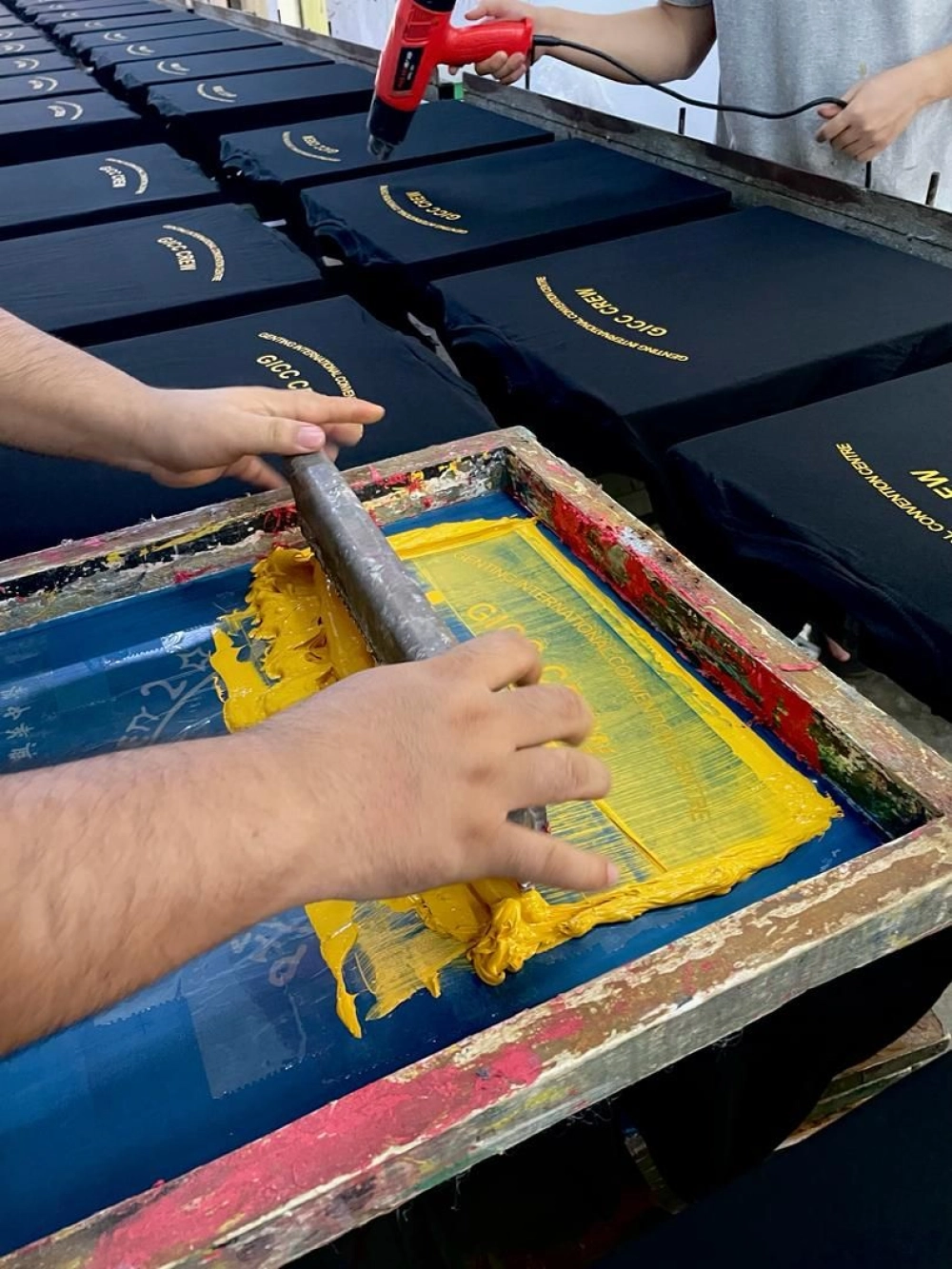
A screen is prepared for a specific artwork layer. Changing the logo, print size or wording after preparation may require the production setup to be reviewed again.
Providing complete information early helps the quotation, artwork plan and production schedule reflect the actual order instead of an incomplete starting estimate.
The final cost is based on the actual order setup—not only the number of shirts.
A higher quantity allows screen preparation and setup costs to be distributed across more garments.
More artwork colours generally mean more screens, printing passes and colour registration work.
Front, back and sleeve placements are separate production tasks and should all be included in the quotation request.
T-shirts, polo shirts, dry-fit apparel and work uniforms have different garment costs and production considerations.
These Apple Sport production images show why screen preparation, colour planning and repeated placement matter in a bulk order.
One approved white design repeated at a consistent size and position across multiple blue garments.

Multi-colour emblem production requires separate colour planning and accurate alignment of the artwork layers.

Large front or back artwork should be approved at the correct physical size before it is repeated across the full order.
Project captions should be updated with the verified client or event name only when Apple Sport has permission and supporting project information.
Choosing the correct method before production can be more important than choosing one method simply because it is familiar.

DTF printing may be a more practical option for smaller quantities, detailed illustrations, gradients, many colours or artwork that is difficult to separate into a few solid screen colours.
Compare DTF T-shirt printing
Sublimation is commonly considered for compatible polyester sports jerseys, teamwear and full-print apparel with colours, patterns, names and numbers built into the garment design.
Explore sublimation printingBrowse Apple Sport’s jersey, T-shirt and apparel options or review custom corporate uniforms . The garment style and material should be considered together with the artwork, quantity and intended use.
Complete order information helps the team assess method suitability, setup and quotation more accurately.
Vector artwork such as AI, EPS, SVG or editable PDF is useful when available. A clear high-resolution PNG or PDF can also be sent for an initial review.
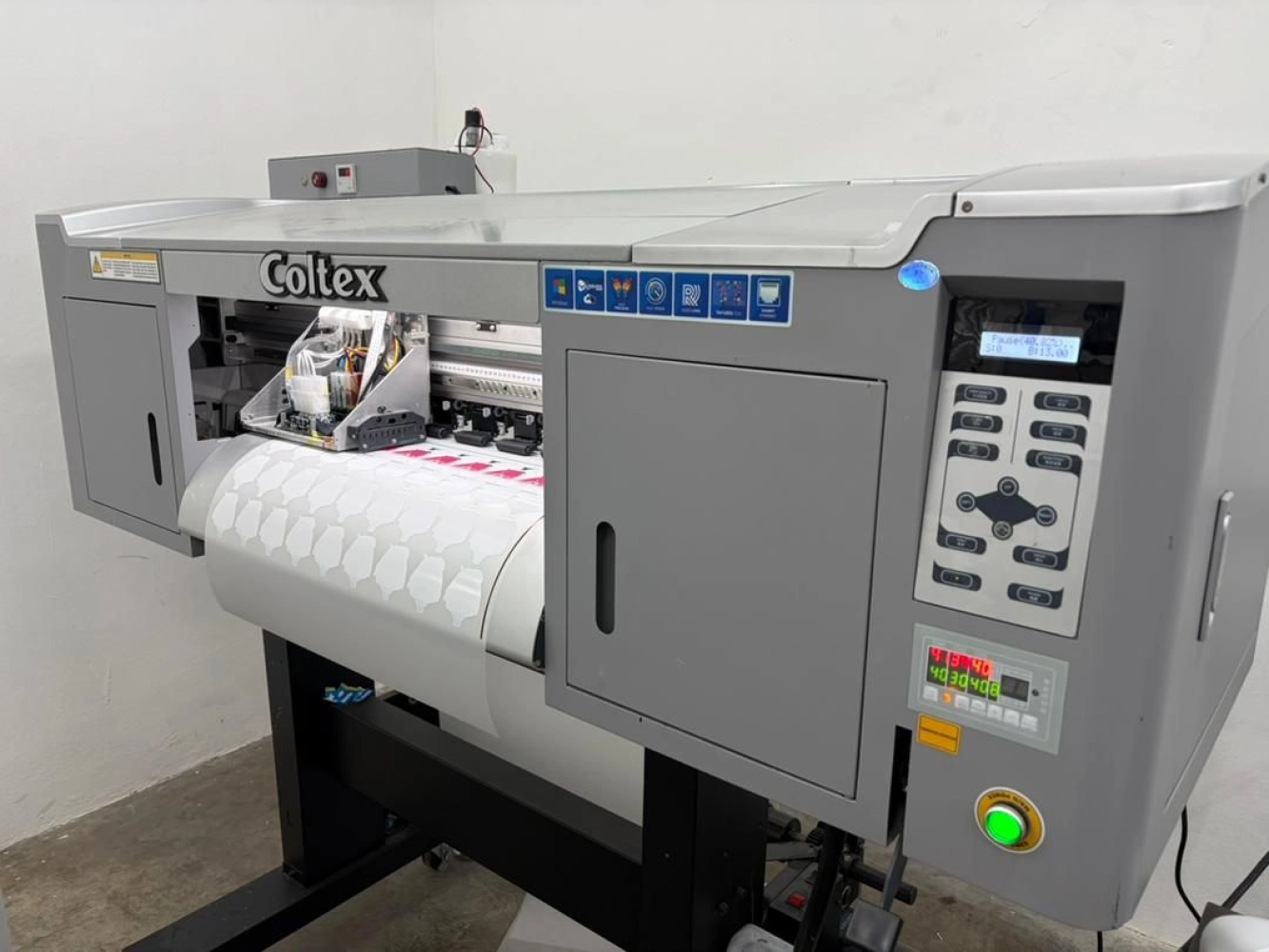
Detailed artwork may be compared against digital printing options before the final production method is selected.
Send Apple Sport your artwork, quantity, garment preference, print positions and required date. The team can help identify whether silkscreen printing is suitable and which production details should be confirmed before setup begins.
A reliable silkscreen printing service does more than apply ink to a shirt. It helps confirm the artwork colours, garment material, print positions, final approval and batch setup before one design is repeated across the full order. Send complete project details early so the quotation and production plan reflect the shirts you actually need.

 Malaysia