The Low Chair Trap: Why Sinking into Cozy Café Armchairs Gives You Deep Hip Stiffness
Why That Comfortable Café Chair Can Leave You Feeling Stiff When You Stand Up
 Nothing feels more inviting than a plush armchair at your favorite café. Whether you're catching up with friends, working remotely, or enjoying a quiet cup of coffee, it's easy to spend an hour or two relaxing in a deep, cushioned chair.
However, many people notice that when it's time to leave, standing up isn't quite so relaxing. Your hips feel tight, your lower back aches, and it may take several steps before you can walk normally.
At Urban Sports & Rehab Centre Johor Bahru, we frequently see patients who develop hip stiffness and lower back discomfort after prolonged sitting in soft, low chairs. Although these seats feel comfortable initially, their design can place your hips and spine in less-than-ideal positions for extended periods.
Fortunately, understanding why this happens can help you prevent stiffness without giving up your favorite café visits.
Nothing feels more inviting than a plush armchair at your favorite café. Whether you're catching up with friends, working remotely, or enjoying a quiet cup of coffee, it's easy to spend an hour or two relaxing in a deep, cushioned chair.
However, many people notice that when it's time to leave, standing up isn't quite so relaxing. Your hips feel tight, your lower back aches, and it may take several steps before you can walk normally.
At Urban Sports & Rehab Centre Johor Bahru, we frequently see patients who develop hip stiffness and lower back discomfort after prolonged sitting in soft, low chairs. Although these seats feel comfortable initially, their design can place your hips and spine in less-than-ideal positions for extended periods.
Fortunately, understanding why this happens can help you prevent stiffness without giving up your favorite café visits.
Why Low Armchairs Feel So Comfortable
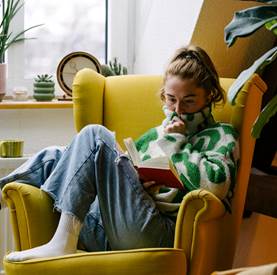
Soft armchairs allow your body to sink into the cushions.
While this reduces pressure on certain areas, it also causes:
- Increased hip flexion
- Posterior pelvic tilt (rolling the pelvis backwards)
- Rounded lower back posture
- Reduced activation of your core muscles
- Limited movement while sitting
Unlike a supportive dining chair, your body receives less structural support and your muscles gradually become inactive.
Your Hips Stay Bent for Too Long
When sitting in a deep chair, your hips often bend beyond 90 degrees.
Maintaining this position for long periods may contribute to:
- Tight hip flexor muscles
- Reduced hip extension
- Decreased glute muscle activity
- Increased stiffness around the front of the hip
When you stand, these muscles need time to lengthen again, which explains the feeling of tightness during your first few steps.
Your Glutes "Switch Off"
The gluteal muscles are your body's primary hip extensors.
Prolonged sitting reduces their activity, a phenomenon often called gluteal inhibition.
Inactive glutes mean:
- Your lower back works harder.
- Walking feels less efficient.
- Standing from a chair becomes more difficult.
- Hip stability decreases.
Although this effect is usually temporary, repeated prolonged sitting may contribute to ongoing movement problems.
Why Your Lower Back Also Becomes Stiff
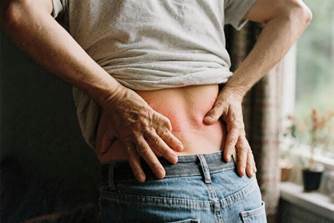
As you sink deeper into a soft chair:
- Your pelvis rolls backwards.
- The natural lumbar curve flattens.
- The supporting muscles of the lower back remain in one position.
Over time this may lead to:
- Lumbar stiffness
- Tight back muscles
- Difficulty standing upright
- Mild aching after sitting
Why Standing Up Feels So Difficult
Getting out of a low chair requires:
- Greater hip strength
- More knee strength
- Better balance
- Stronger core muscles
Because your hips start from a deeper bent position, they must generate more force to stand compared with rising from a standard-height chair.
This is particularly noticeable in:
- Older adults
- Individuals with hip arthritis
- People recovering from injury
- Those with weak leg muscles
Signs You're Falling into the Low Chair Trap
You may notice:
- Hip stiffness after sitting at cafés
- Lower back tightness when standing
- Needing several steps before walking normally
- Tightness in the front of your hips
- Difficulty getting out of soft sofas
- Feeling better after walking for a few minutes
These symptoms are often related to prolonged static sitting rather than serious injury.
Tips to Reduce Hip Stiffness
Choose a Firmer Seat When Possible
A chair with moderate firmness and better back support encourages healthier posture.
Sit Closer to the Front
Avoid sinking completely into the back of the chair.
Keep Your Feet Flat
Maintain even weight through both feet.
Stand Up Every 30–45 Minutes
Even a short walk around the café helps restore circulation and reduce stiffness.
Stretch Before Leaving
Stand upright, gently extend your hips, and take a few relaxed steps before walking away.
Exercises to Improve Hip Mobility
Hip Flexor Stretch
Helps restore hip extension after prolonged sitting.
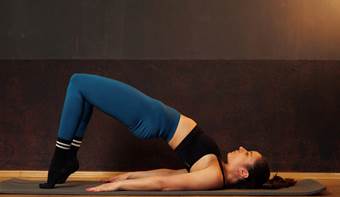
Glute Bridges
Reactivate the glute muscles.
Bodyweight Squats
Improve strength for standing from low chairs.
Standing Hip Extensions
Strengthen the muscles that open the hips.
Cat-Camel Exercise
Improve movement through the spine.
Walking
A few minutes of walking after sitting can significantly reduce stiffness.
When Should You See a Physiotherapist?
Book a physiotherapy assessment if:
- Hip stiffness occurs daily.
- Pain persists after standing.
- You have difficulty walking after sitting.
- Pain spreads into the groin or thigh.
- You notice reduced hip movement.
- Symptoms affect work, exercise, or daily life.
Early assessment can identify movement restrictions before they become long-term problems.
How Physiotherapy Can Help
At Urban Sports & Rehab Centre Johor Bahru, we assess how your body responds to everyday activities not just sports injuries.
Your assessment may include:
- Hip mobility testing
- Lumbar spine assessment
- Muscle strength evaluation
- Functional sit-to-stand assessment
- Postural analysis
- Movement screening
Your personalized treatment programmed may include:
- Manual therapy
- Joint mobilization
- Soft tissue release
- Hip mobility exercises
- Glute strengthening
- Core stability training
- Postural retraining
- Personalized home exercise programmed
Our goal is to reduce stiffness, improve mobility, and help you move comfortably throughout your day.
Enjoy Your Coffee Not the Hip Pain
Relaxing in a cozy café should leave you refreshed, not stiff.
Choosing supportive seating, taking regular movement breaks, and keeping your hips strong and mobile can help prevent the discomfort that often follows prolonged sitting in deep armchairs.
At Urban Sports & Rehab Centre Johor Bahru, our experienced physiotherapists provide evidence-based assessments, manual therapy, exercise rehabilitation, and ergonomic advice to help you overcome hip stiffness, lower back pain, and movement limitations.
Healthy hips keep you moving comfortably from your favorite café to every step of your everyday life.
Conclusion
Deep, soft café armchairs may feel luxurious, but prolonged sitting in these low seats places your hips in sustained flexion, reduces glute muscle activity, and encourages slouched posture. The result is often hip stiffness, lower back tightness, and difficulty standing or walking immediately after getting up.
Fortunately, small adjustments such as choosing firmer seating, sitting closer to the edge of the chair, standing up regularly, and maintaining good hip strength and mobility can significantly reduce discomfort.
At Urban Sports & Rehab Centre Johor Bahru, we help patients identify the everyday habits contributing to hip and back stiffness through comprehensive assessments, manual therapy, personalized exercise programs, and movement education.
Comfort shouldn't come at the cost of your mobility. Keeping your hips strong and moving regularly is one of the best investments you can make for lifelong joint health.
#PhysioJohorBahru#UrbanSportsRehabJB#UrbanSportsPhysioJB#HipPainJB#LowerBackPainJB #HipStiffness#HipPain#LowerBackPain#Physiotherapy#LowChairTrap#HipStiffnessAfterSitting
#CafeChairPosture#DeepSofaHipPain #UrbanSportsRehabCentre#UrbanSportsPhysio
#MoveBetterFeelBetter#PainFreeMovement
URBAN SPORTS & REHAB CENTRE, based in Johor Bahru, Malaysia, provides physiotherapy treatments to support your recovery and enhance well-being. Explore our physiotherapy services today.
Posted by URBAN SPORTS & REHAB CENTRE on 28 Jul 26



 Malaysia