

The Definitive Acne Scar Protocol:
Which Clinical Solution Matches Your Scar Profile?
Has active acne finally subsided on your skin, only to leave behind an uneven, stubborn landscape of deep depressions and scars? Many individuals experiencing intense appearance anxiety try high-cost topical serums, chemical peels, or singular laser treatments to clear up their complexion. Yet, after exhausting months of effort and budget, they are often disappointed by minimal surface improvement.
The dermatological pathology behind this is straightforward: atrophic acne scars are never uniform. Separate structural classifications correspond to entirely distinct levels of deep dermal anchoring. To achieve efficient, precision surface reconstruction, your roadmap must begin with evidence-based diagnostic profiling.
Stage 1: Identify Your Exact Anatomical Scar Profile
According to clinical dermatology parameters, depressed acne scars are categorized into three classic structural typologies. During your diagnostic consultation, our physicians employ multi-angle cross-lighting assessments to map your true depth of dermal deficiency and subcutaneous fiber anchoring:
1. Ice Pick Scars
Widely recognized as the most anatomically challenging and deepest sub-type of atrophic scarring. While superficially confused with dilated follicular pores, its pathway forms a narrow, vertical funnel extending completely through the deep dermis.
💡 Real-World Scenario: These pits may appear muted from a distance or under dim lighting, but they become highly apparent when looking up-close under directional bathroom spot-lighting—stubborn indentations that makeup cannot conceal.
🎯 Indicated Localized Combination Protocols:
2. Boxcar Scars
These depressions resemble sharp crater fields. They are triggered by deep, destructive localized inflammation that causes immediate focal necrosis and loss of the core extracellular matrix.
💡 Real-World Scenario: Due to their sharp perpendicular walls, boxcar scars catch light intensely, creating prominent facial shadows even under natural daylight. Foundations tend to pool or cake inside these flat-bottomed craters.
🎯 Indicated Localized Combination Protocols:
3. Rolling Scars
The classic structural consequence of severe, widespread nodulocystic acne inflammation. The primary pathology is not merely superficial surface loss, but the formation of thick, dense fibrous bands bridging the dermis to the subcutaneous fat layer, tethering the skin downward.
💡 Real-World Scenario: Looking straight into a mirror, the skin may appear relatively uniform. However, when turning your head sideways under salon lights or checking your rearview mirror while driving, a wavy landscape becomes highly visible—indicating active subcutaneous tethering.
🎯 Indicated Localized Combination Protocols:

4. The Common Clinical Reality: "Mixed Acne Scarring"
In absolute clinical reality, isolated single-pattern scar presentations are exceedingly rare. The vast majority of individuals recovering from adolescent acne display a complex mixture of ice pick pits, boxcar craters, and rolling fibrous anchors overlapping across their skin. This is precisely why relying on a single type of laser often results in a frustrating therapeutic plateau. Achieving comprehensive correction requires a tailored, multi-tiered "Combination Layered Strategy."
Stage 2: Dermal Base Assessment — Grading Your Scar Severity
Following classification, your physician grades the global tissue deficit to align your skin with the appropriate multi-session treatment path:
Grade 1: Mild Depressions & Surface Coarseness
Clinical Presentation: Indentations are only visible under close self-inspection or strict angled light fields, and are easily hidden by makeup. We implement Potenza RF Microneedling sequenced with Plinest or ASCE+ Exosomes. The therapeutic focus is broad-area activation of dermal fibroblasts to refine atrophic pores and smooth superficial deficits.
.jpg)
Grade 2: Moderate Structural Depressions
Clinical Presentation: Obvious scattered craters are clearly visible under soft, uniform indoor lighting, and foundation cannot completely level the surface. This requires Fotona ablative/non-fractional laser resurfacing paired with Potenza RF energy and targeted intradermal Rejuran Healer infusions. The focus centers on contouring boxcar edges via ablation while driving vertical neocollagenesis.
.jpg)
Grade 3: Severe Fibrous Tethered Scar Fields
Clinical Presentation: Pronounced, deep waves and surface distortions remain highly visible even from a distance. The underlying fibrous anchors are thick and dense. We launch surgical subcision as our foundational corrective action to manually sever the anchors pulling down the surface, followed by Fotona lasers and ASCE+ Exosome mesotherapy to repair the tissue matrix from the ground up.
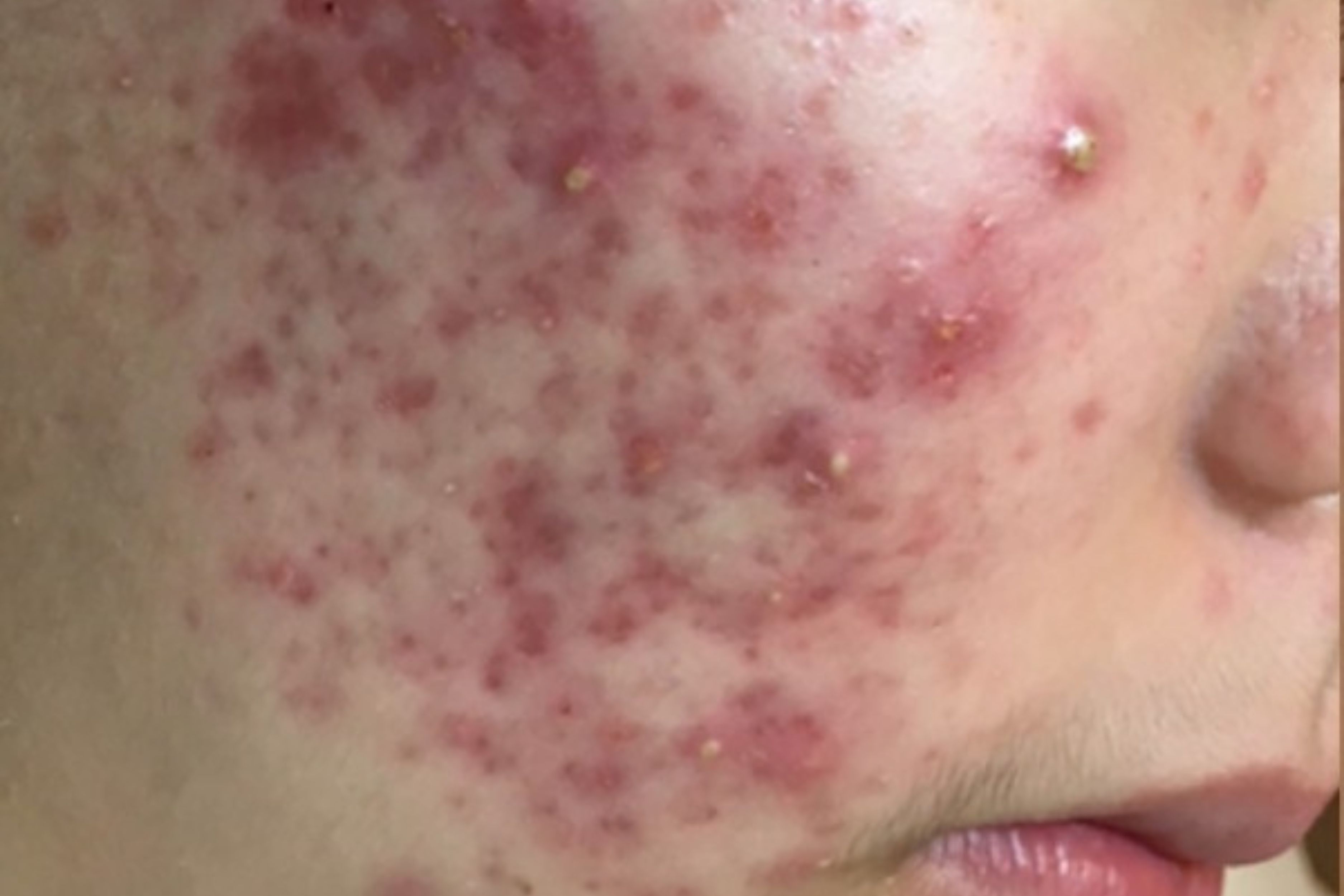
Layered Reconstruction: Inside Dr. Wee Clinic's Scientific Scar Strategy
💡 Surgical Subcision (Fibrous Anchor Release)
Pathological Objective: Explicitly engineered to resolve Rolling Scars and dense subcutaneous tissue anchoring. As established, advanced rolling scars often resist laser resurfacing because the limitation resides beneath the dermis—where rigid, scarred anchor bundles pull down the surface.
During this precise technique, a credentialed physician inserts a specialized micro-canula or needle horizontally beneath the deep dermis. With refined tactile skill, the doctor carefully cuts and releases the fibrous strands pulling the skin surface downward. Releasing this downward pull allows the depression to instantly lift. We immediately introduce Rejuran S (a high-viscosity, scar-targeted polynucleotide) into the fresh sub-dermal space. This creates a scaffolding barrier that prevents the fibers from re-attaching while accelerating tissue regeneration.
.jpg)
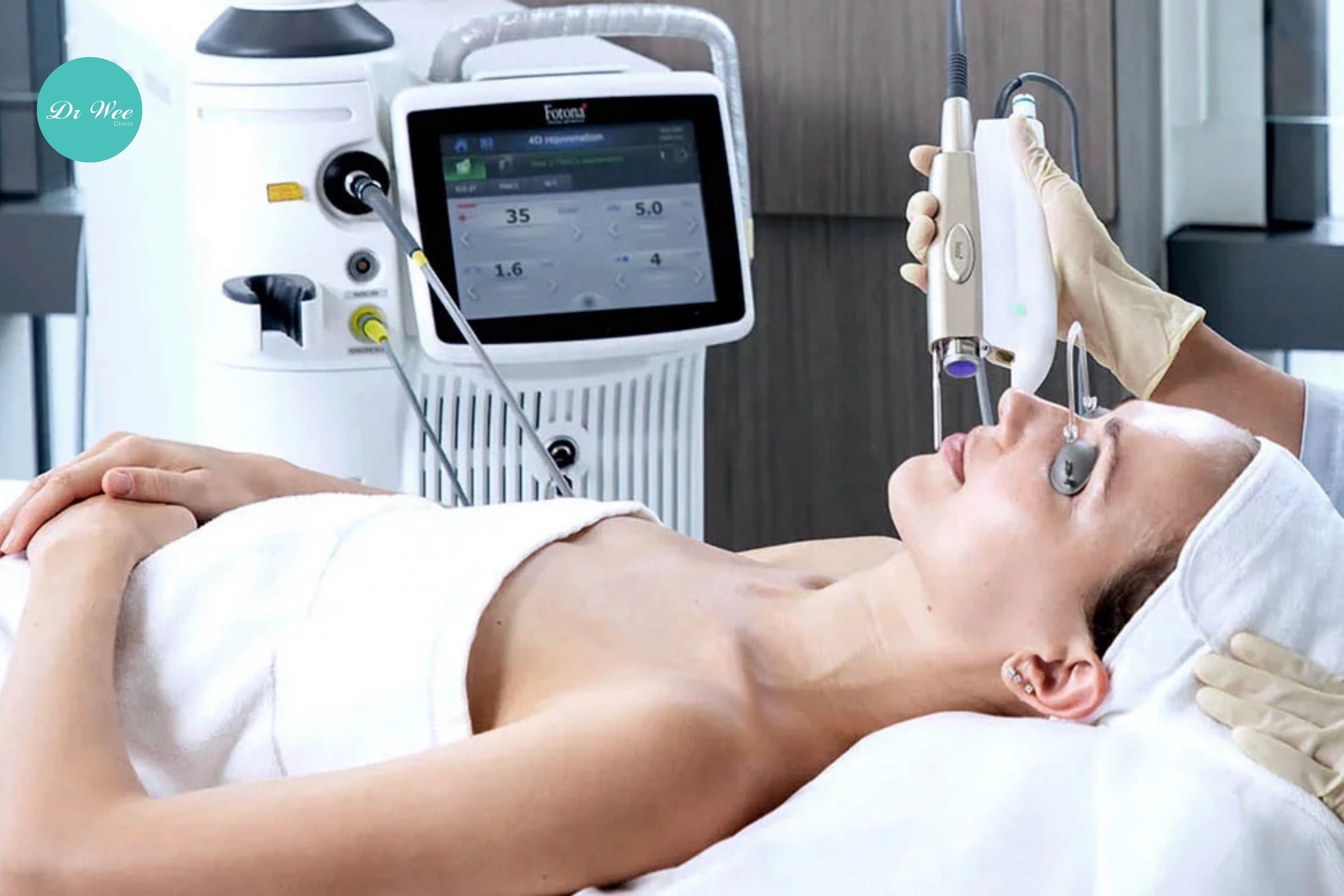
💡 Fotona Scar Laser (Fractional Ablative & Non-Ablative Resurfacing)
Pathological Objective: Ideally calibrated for Ice Pick channels and Boxcar crater profiles. Utilizing a specific high-energy laser beam, it generates micro-matrix thermal treatment columns across the target tissue. This creates controlled micro-ablation that softens and rounds out the sharp vertical walls of boxcar scars. Simultaneously, the laser delivers deep heat to stimulate the dermis, remodeling broken collagen fibers and filling out deep depressions to restore a level skin surface.
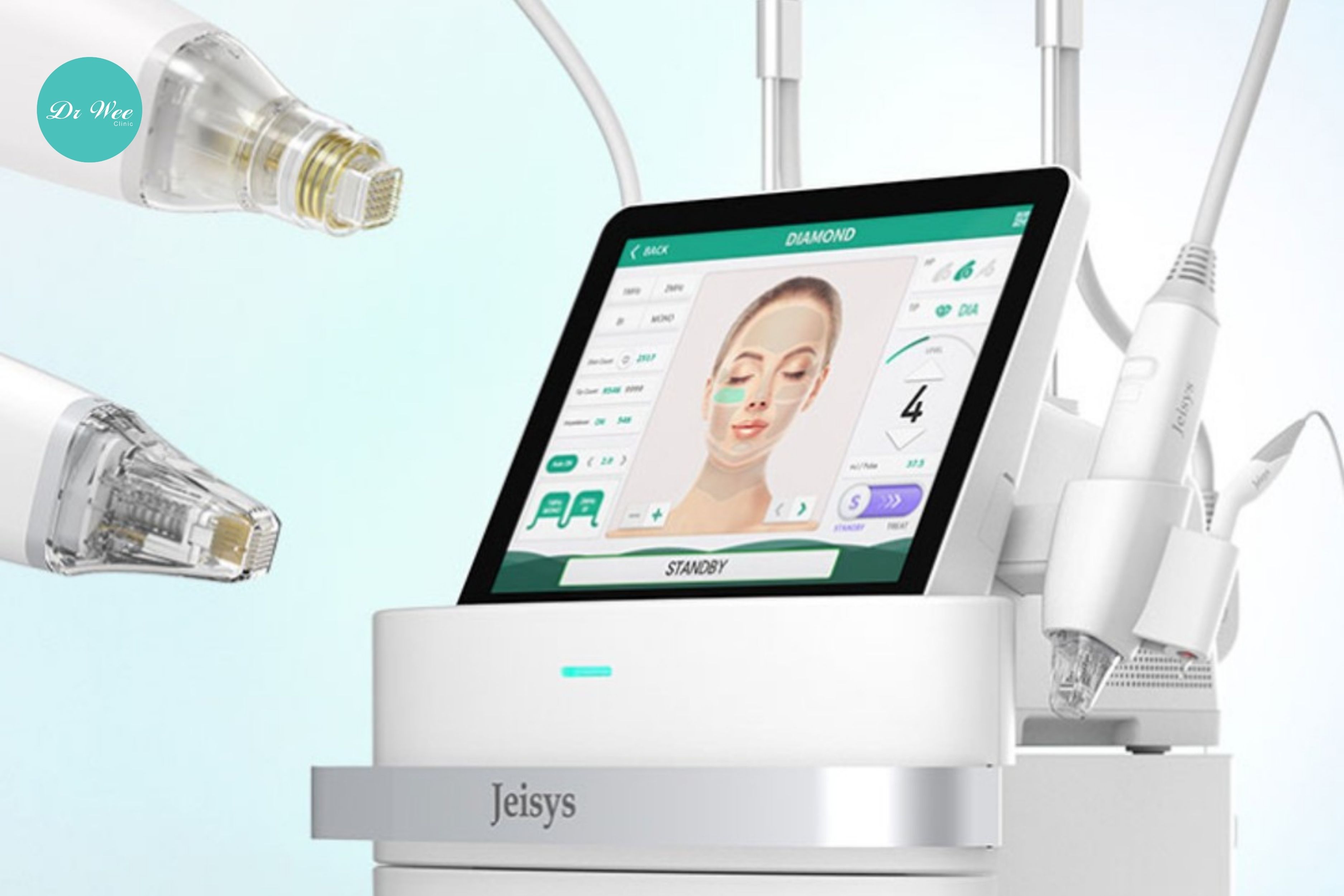
💡 Potenza RF Gold Microneedling
Pathological Objective: The gold standard protocol for mild-to-moderate mixed scarring, atrophic pores, and overactive acne-prone skin. It combines insulated micro-needle matrices with bipolar and monopolar Radiofrequency (RF) energy. The needles cleanly enter the skin, releasing a burst of RF thermal energy precisely when the tips reach the target layer. This avoids thermal damage to the epidermis while driving 3D collagen matrix tightening directly in the dermis. Additionally, the targeted heat safely reduces overactive sebaceous glands, controlling excess sebum production to address active breakouts.
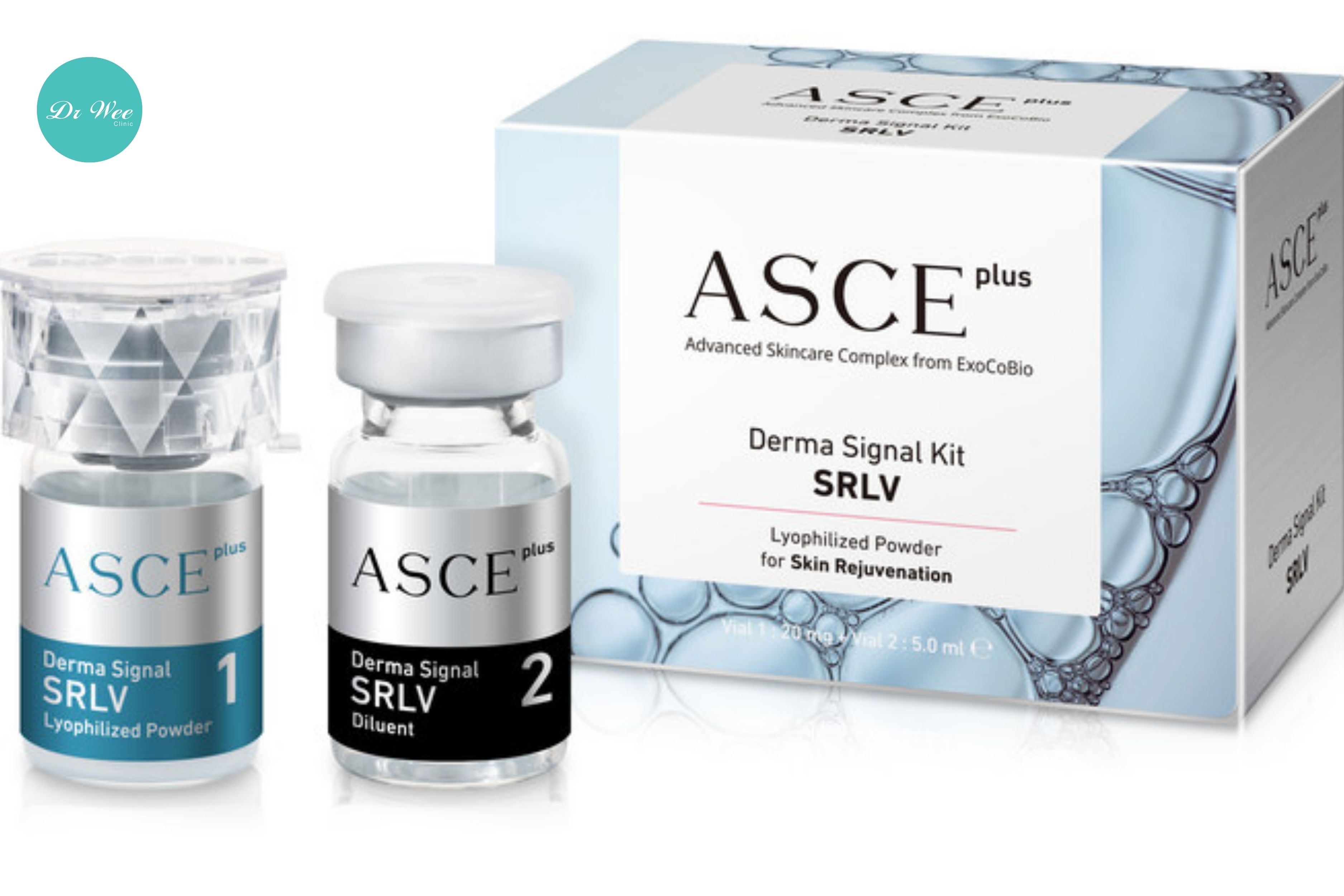
Cellular Matrix Replenishment: Rejuran / Plinest / ASCE+ Exosomes
Energy devices like lasers and microneedles act to trigger controlled micro-injuries, forcing the skin to initiate self-repair. However, if the patient's skin matrix lacks sufficient baseline nutrients and cell reserves, the healing response can stall. Introducing advanced mesotherapy co-factors is critical to nourish the skin:
- Rejuran Healer / S: Formulated with premium, high-concentration Salmon-derived Polynucleotides (PN). The specialized S version features an enhanced viscosity tip, making it the ideal choice following subcision to physically support the newly released tissue space and speed up cellular growth.
- Plinest PDRN: Highly purified Italian-pioneered Master Polynucleotides designed to activate aging dermal fibroblasts. This booster enhances structural elasticity and bounce, smoothing out shallow atrophic depressions.
- ASCE+ Exosomes: Packed with billions of stem-cell-derived lyophilized exosomes, targeted growth factors, coenzymes, and biomimetic peptides. This acts as an intensive post-energy recovery solution, quickly calming laser-induced redness, reducing post-inflammatory hyperpigmentation risks, and multiplying your long-term results.
Strategic Matrix: Matching Skin Presentations to Treatment Paths
To help you identify the correct treatment approach at home, please reference this intuitive clinical matrix prepared by our medical aesthetic team:
- Narrow, deep punctate pinhole tracts (Ice Pick Scars)
| Primary Skin Presentation / Scar Morphology | Recommended Clinical Treatment Approach |
|---|---|
| Broad, undulating rolling scar waves (Rolling Scars) | Surgical Subcision + Potenza RF Microneedling Matrix |
| Severe atrophic craters bound by rigid tissue anchoring | Surgical Subcision + Fotona Fractional Laser Ablation |
| demarked flat-bottomed crater depressions (Boxcar Scars) | Fotona Laser Contouring + Rejuran Healer Dermal Infusion |
| Fotona Deep Matrix Ablation + Potenza Insulated Microneedling | |
| Atrophic pore drop + Hyper-seborrheic active acne skin | Potenza RF Microneedling Sebum Regulation + Plinest PDRN Boosters |
| Post-laser redness seeking accelerated recovery downtime | ASCE+ Pure Exosome Electroporation / Mesotherapy Infusion |
Frequently Asked Questions | FAQ
Answer: From a dermatological standpoint, the primary clinical objective of an acne scar treatment is to minimize the visual depth and shadow of depressions, integrating them smoothly into the surrounding healthy skin matrix. Achieving a 100% flawless surface depends significantly on your initial scar morphology, scar age, baseline dermal atrophy, and your body's natural collagen synthesis capacity. However, completing a customized, layered combination program consistently yields dramatic, highly visible improvements in skin smoothness.
Answer: For rolling scar waves bound down by deep fibrous tissue, surgical subcision stands out as one of the most effective single modalities for delivering an immediate lift and visible release of tissue depressions. However, because most patients present with mixed scar profiles, a combination approach addressing depth, border margins, and cellular vitality concurrently will always deliver faster and superior results compared to any single treatment.
Answer: Dermal matrix remodeling, angiogenesis, and collagen maturation are gradual biological processes. Consequently, long-standing atrophic depressions cannot be completely resolved in a single session. Clinical data shows that most moderate-to-severe acne scar patients require a structured program consisting of 3 to 5 sessions, spaced 4 to 6 weeks apart, to build a reliable structural base and secure optimal, long-term improvement.

 Malaysia