

Corrosion is one of the most persistent and costly forms of material degradation. Unlike sudden mechanical failure, corrosion develops gradually, often going unnoticed until significant damage has already occurred. In many industries, especially those exposed to outdoor or coastal environments, corrosion is not a possibility but an inevitability. The challenge for engineers is not whether it will happen, but how soon.
Understanding and predicting corrosion is critical to ensuring long-term product reliability. This is where salt spray testing plays a key role. By simulating corrosive environments in a controlled setting, engineers are able to accelerate the degradation process and evaluate how materials and coatings perform over time.

Salt spray testing, also known as salt fog testing, exposes products to a fine mist of saline solution within a sealed chamber. This environment replicates the combined effects of moisture and salt, which significantly accelerate corrosion. Components are placed inside the chamber and subjected to continuous exposure, allowing engineers to observe how quickly corrosion develops and how severe it becomes.
The effectiveness of salt spray testing comes from the chemistry behind corrosion. When metal surfaces are exposed to moisture containing dissolved salts, an electrolyte is formed. This enables the flow of ions, accelerating the oxidation process. As a result, metals corrode much faster than they would in dry conditions.
This process leads to several observable effects:
These effects may begin at a microscopic level but eventually develop into visible and functional failures.
Salt spray testing is not only about whether corrosion occurs, but how it develops. Engineers carefully evaluate specific aspects of material and product performance to understand long-term behavior.
Key observations typically include:
By analyzing these factors, engineers can determine which designs are more resistant and which require improvement.
Salt spray testing allows these observations to take place within a compressed timeframe. What might take months or years in real-world conditions can be replicated within days or weeks in a controlled environment. This makes it possible to compare materials, validate protective strategies, and identify weaknesses early in the development process.
This method is particularly important for products exposed to harsh environments. Automotive components, outdoor electronics, marine equipment, and industrial systems are all subject to conditions where moisture and salt are present. Without proper testing, these products may experience premature degradation, leading to reduced lifespan and increased maintenance requirements.
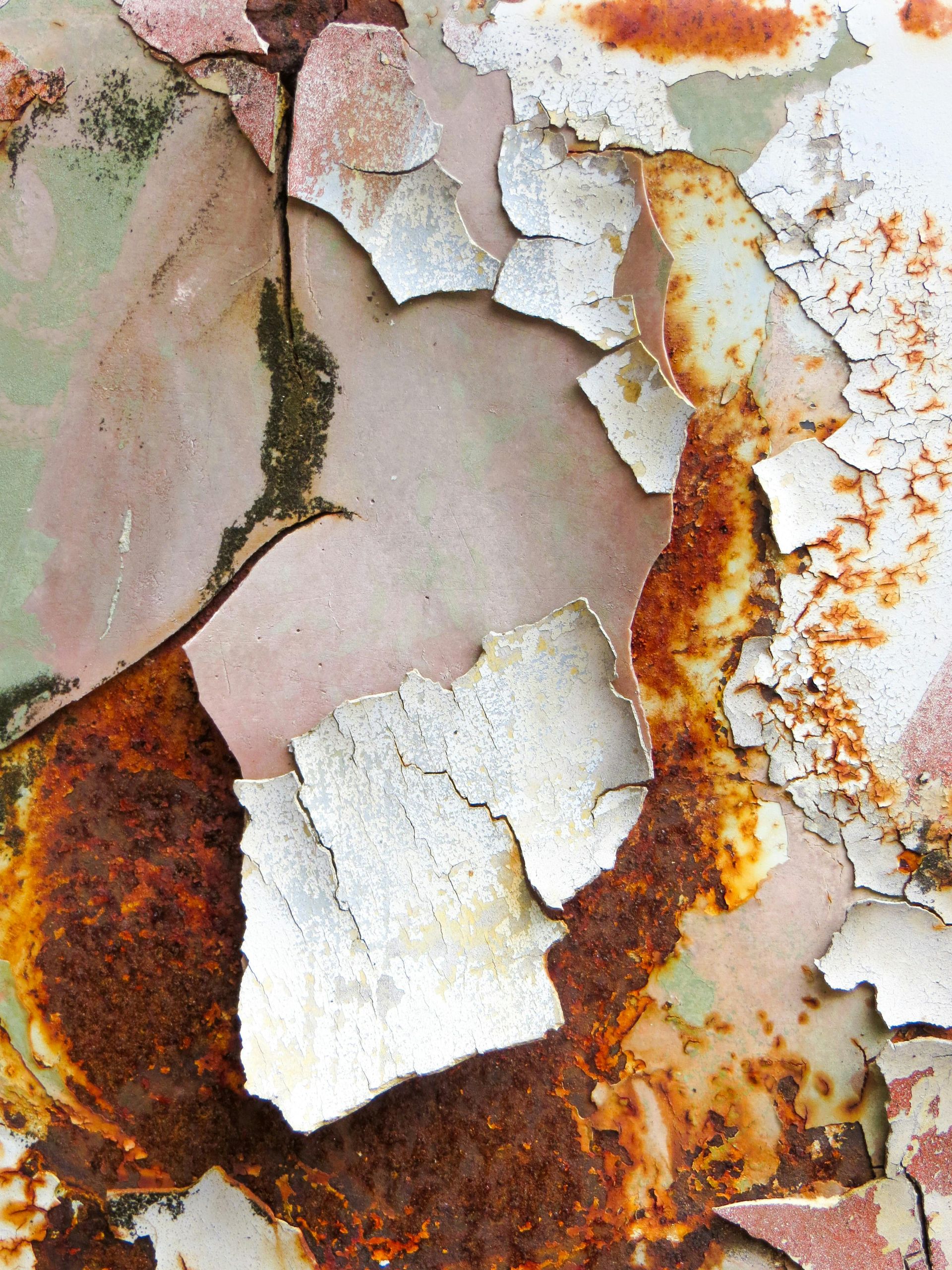
It is important to understand that salt spray testing is not intended to perfectly replicate a specific real-world environment. Instead, it provides a consistent and accelerated condition that allows for relative comparison between materials and designs. A product that performs well under these conditions is more likely to resist corrosion in actual use, although real-world performance will still depend on multiple environmental factors.
From a design perspective, the insights gained from corrosion testing are highly valuable. Engineers can improve material selection, enhance coating methods, and optimize protective features such as sealing and drainage. These improvements help reduce vulnerability and extend product durability.
In the end, corrosion is a slow but relentless process. It does not cause immediate failure, but it steadily weakens materials until performance is compromised. Salt spray testing brings this long-term degradation into focus, allowing engineers to understand and address it before it becomes a real-world issue.
By using controlled testing to predict long-term damage, companies can move from reactive problem-solving to proactive reliability. This shift not only improves product performance but also reduces risk, cost, and uncertainty over the product’s lifecycle.

 Malaysia