
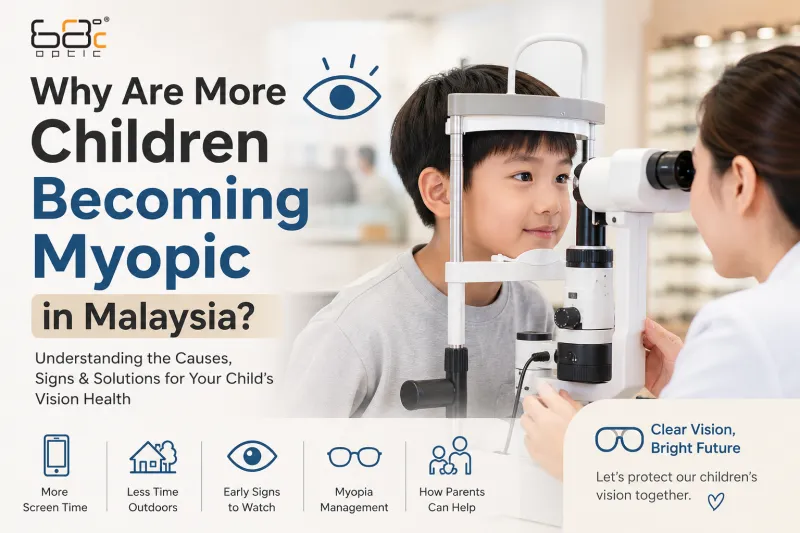
In recent years, more children in Malaysia are being diagnosed with myopia, commonly known as short-sightedness or near-sightedness. Many parents are surprised when their children begin struggling to see the whiteboard at school, squinting at distant objects, or spending more time close to screens.
So why is childhood myopia becoming increasingly common, and what can parents do to help protect their children's vision?
Myopia occurs when the eye grows too long, causing distant objects to appear blurry while near objects remain clear.
Today, eye care professionals around the world are seeing a significant increase in childhood myopia, especially among school-aged children.
Several lifestyle changes have contributed to this trend, including increased screen time, reduced outdoor activities, and greater educational demands.
One of the most common concerns among parents is the amount of time children spend on digital devices.
Smartphones, tablets, computers, and gaming devices have become part of daily life. Many children spend several hours each day focusing on objects at close distances.
While screens are not the sole cause of myopia, prolonged near work may contribute to eye strain and increase the risk of myopia progression in susceptible children.
Watching videos on mobile phones
Playing games on tablets
Reading at very close distances
Extended use of laptops and computers
Online learning sessions
Encouraging regular breaks can help reduce visual fatigue.
Research suggests that spending more time outdoors may help reduce the risk of childhood myopia.
Natural sunlight and looking at distant objects encourage healthier visual development.
Unfortunately, many children today spend less time outdoors compared to previous generations.
Playing at the park
Cycling
Walking with family
Outdoor sports
Weekend recreational activities
Experts often recommend at least two hours of outdoor activity per day whenever possible.
Parents should watch for signs that may indicate vision problems.
Common symptoms include:
Squinting when looking at distant objects
Sitting very close to the television
Holding books or devices too close
Frequent eye rubbing
Complaints of headaches
Difficulty seeing the classroom whiteboard
If these symptoms appear, an eye examination is recommended.
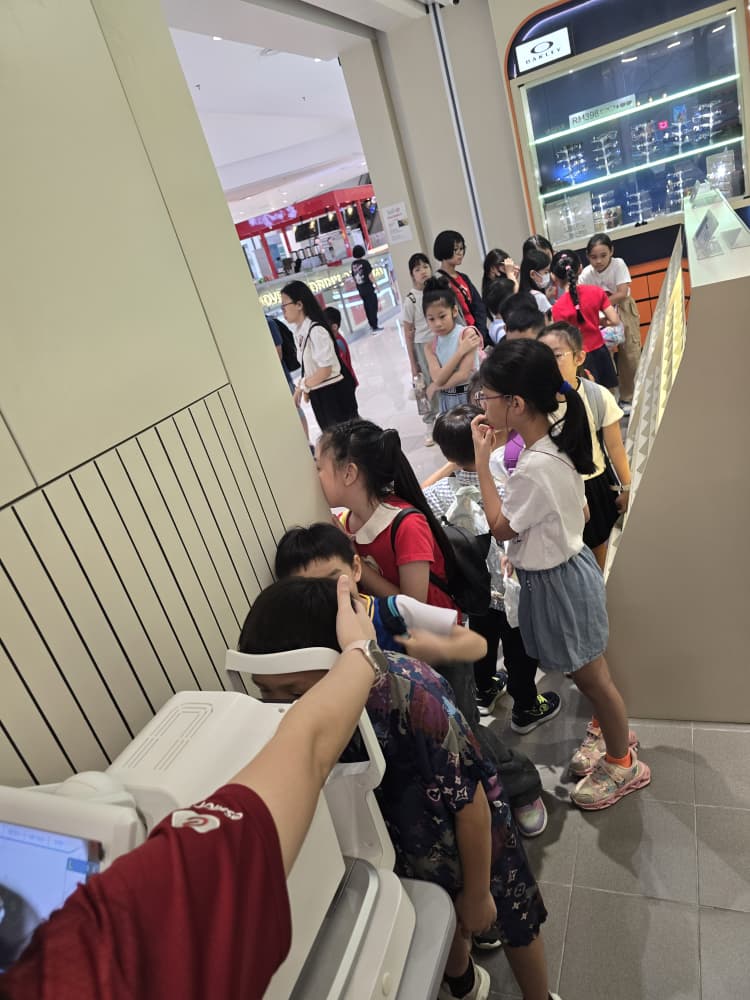
The earlier myopia is detected, the better the opportunity to manage it.
Undiagnosed vision problems can affect:
Academic performance
Reading ability
Concentration
Sports participation
Overall confidence
Regular eye examinations help ensure children can see clearly and perform their best both inside and outside the classroom.
Today, there are several approaches available to help manage childhood myopia.
Depending on the child's condition, eye care professionals may recommend:
Prescription glasses
Myopia management lenses
Lifestyle adjustments
Increased outdoor activities
Regular eye health monitoring
One increasingly popular option is myopia control lenses designed to help slow myopia progression in children.
Parents play an important role in maintaining healthy visual habits.
Helpful practices include:
Limiting excessive screen time
Encouraging outdoor activities
Ensuring good reading posture
Scheduling regular eye examinations
Seeking professional advice when vision changes occur
Small lifestyle changes can make a meaningful difference in supporting healthy vision development.
.jpeg)
At 68°C Optic, we believe early detection is key to protecting children's vision.
Through our Free Eye Check for Kids initiative, we help parents better understand their children's visual health and identify potential concerns at an early stage.
Learn more about our children's eye care solutions and myopia management options designed to support healthy vision development.
Contact our team today to schedule an eye examination or find out more about our latest children's eye care initiatives.
Childhood myopia is becoming increasingly common in Malaysia, but early awareness and proactive eye care can make a significant difference.
By encouraging healthy visual habits, increasing outdoor activities, and arranging regular eye examinations, parents can help protect their children's vision and support their long-term eye health.
Taking action today may help children enjoy clearer vision for years to come.

 Malaysia