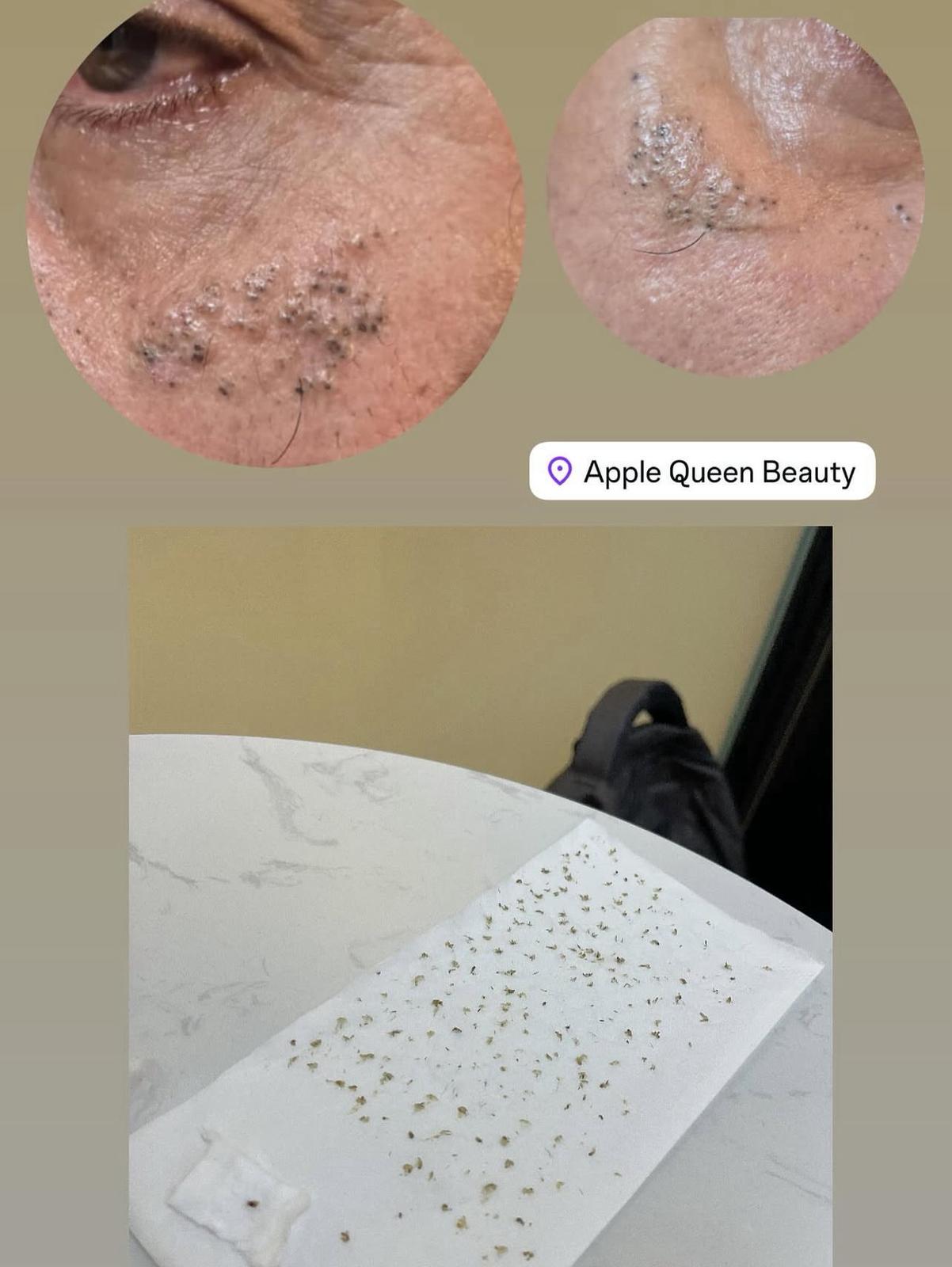
As skincare professionals, we often hear questions like these during facial treatments or skincare consultations:
“Is this acne or just blackheads?”
“Why does the gunk from my pores look so different?”
These are some common questions and they matter more than you might think.
While blackheads and acne are both related to clogged pores and excess sebum, they are not the same skin concern.
In fact, they behave differently beneath the skin, occur for different reasons and require different treatment approaches. Understanding this distinction is essential if you want to care for your skin safely and effectively.
By the end of this post, you’ll have a clear understanding of the differences and feel more confident making decisions for your skin.
Many clients struggle to tell the difference between blackheads, acne and oil bumps. On the surface, they may look similar with small bumps, clogged pores and uneven texture. But what’s happening underneath the skin can be completely different.
When a skin concern is misidentified, the treatment approach often misses the mark. This can slow down skin improvement, trigger further irritation or even worsen the condition.
Let’s break it down clearly, starting with blackheads.
Blackheads are a type of comedone. They form when pores become clogged with excess sebum and dead skin cells. When this blockage is exposed to air, oxidation occurs, causing the surface to darken which is why blackheads appear black.
When blackheads are left untreated, oil and debris can harden, becoming more compacted within the pore over time. DIY home extraction may seem quick and effective, but it often pushes the blockage deeper into the skin, making it longer, thicker and more difficult to remove. Professional extraction clears clogged pores safely and thoroughly, without causing unnecessary trauma to the skin.
Simply put, blackheads are clogged pores without inflammation. They don’t hurt or itch and are generally easier to manage. With gentle cleansing, regular professional extraction and the right skincare products, oil production becomes more balanced and pores are better able to clear themselves naturally.
Acne develops when clogged pores become infected with acne-causing bacteria, triggering an inflammatory response within the skin.
In a nutshell, acne involves both blockage and inflammation. Unlike blackheads, acne forms deeper within the pore and often requires professional extraction to remove pus and blood. This is followed by targeted treatment to calm inflammation, reduce bacteria and support skin repair.
This is one of the most common concerns among acne-prone clients and understandably so.
Acne-prone skin becomes inflamed when sebum cannot be released properly and bacteria multiply inside the pore. If proper extraction and treatment are delayed, acne can become increasingly red, swollen and painful, and may worsen into pus-filled lesions.
When inflamed acne is professionally extracted:
This is why professional handling and proper post-treatment repair are just as important as the extraction itself.
Aftercare is never one-size-fits-all. The approach depends on the skin condition:
Vitamin B5, also known as panthenol, is a highly effective and skin-friendly repair ingredient. It’s especially suitable for acne-prone skin during active inflammation and the recovery phase after treatment.
Acne is fundamentally an inflammatory condition, and vitamin B5 helps by addressing this root issue. What vitamin B5 does:
Vitamin B5 also provides deep hydration without heaviness. It’s is non-greasy, non-sticky and highly compatible with the skin. Many clients notice an improvement in their dehydrated oily skin type (oily on the outside but dehydrated on the inside), a common factor behind repeated breakouts.
A common misconception is that acne-prone skin should avoid moisturising. In reality, lack of hydration often causes the skin to produce even more oil, increasing the risk of clogged pores.
When oil and moisture levels are balanced, the skin is naturally less prone to acne.
Even after acne subsides, the skin remains fragile and in need of repair. vitamin B5 supports the skin’s natural healing process by:
.jpg)
Photo: A customer shares how her son’s acne improved through consistent treatments and the proper aftercare
Its gentle nature makes it suitable even for sensitive, acne-prone skin. It can be safely combined with other acne treatments and is suitable for pregnant clients as well.
While vitamin B5 is not an overnight solution, it plays a vital long-term role in strengthening the skin, calming inflammation and preventing future breakouts.
Why professional care matters
Whether it’s blackheads or acne, DIY extractions at home carry real risks, including infection, scarring and worsening inflammation. Randomly purchasing products online without proper skin assessment can also do more harm than good.
In professional facial treatments, therapists assess the skin using specialised lighting and carefully analyse factors such as oil secretion levels, as well as the siize, texture and colour of extracted impurities.
This allows them to recommend skincare products and treatments that truly suit your skin’s needs.
At Apple Queen Beauty, we believe effective facial care goes beyond simply cleaning pores. It’s about precision, safety and long-term skin health. With the right professional approach, your skin can improve steadily and sustainably.
If you’re unsure whether you’re dealing with blackheads or acne, a professional consultation can make all the difference. Your skin deserves clarity and the right care.

 Malaysia