

Posture and movement changes before and after rehabilitation often include better spinal alignment, improved mobility, stronger muscles, reduced stiffness, and more comfortable daily movement. At One Spine Chiropractic & Physiotherapy, we support these changes through chiropractic care, physiotherapy rehabilitation, posture correction, and movement-focused recovery.
Poor posture, muscle imbalance, and restricted movement may gradually affect work performance, daily comfort, sports activity, and overall quality of life. In this guide, we explain what patients commonly experience before rehabilitation, what happens during treatment, and what improvements may be expected after a structured rehabilitation program.
Before rehabilitation, many people experience pain, stiffness, poor posture, and limited movement caused by prolonged sitting, injuries, repetitive movements, weak muscles, or poor body mechanics. These problems may affect the neck, shoulders, lower back, hips, and overall movement quality.
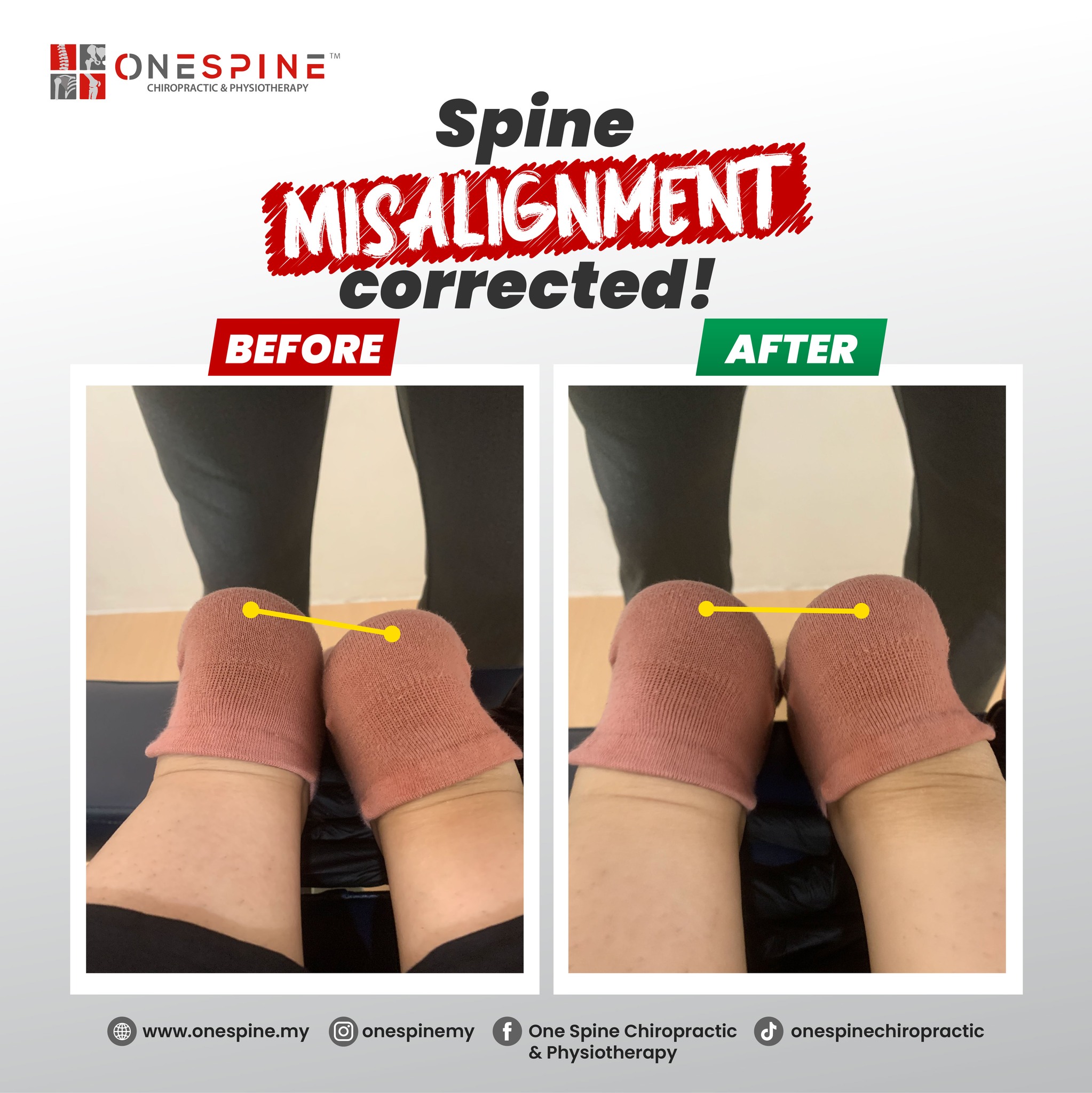
Many office workers, students, drivers, athletes, and remote workers in KL and PJ come to us when poor posture or movement restriction starts affecting daily life. Some patients notice discomfort after long desk hours, while others feel pain during bending, lifting, walking, or exercise.
For patients with posture-related concerns, we often assess issues such as Poor Posture & Rounded Shoulders as part of the rehabilitation process.
Poor posture may place uneven pressure on the spine, joints, and muscles. Over time, this may create strain, stiffness, and recurring pain.
Common postural issues include:
When the body is not aligned properly, the spine and muscles must work harder to support movement. This may gradually affect posture control, spinal mobility, and muscle endurance.
We may also assess related conditions such as Forward Head Posture, especially when neck, shoulder, and upper back posture affect overall body alignment.
Movement limitations often happen when joints become stiff, muscles become tight, or the body compensates for pain. This may make simple activities feel harder than they should.
Common movement problems include:
In some cases, patients may also experience numbness, tension headaches, radiating pain, or recurring muscle tightness. For muscle-related discomfort, our team may assess Muscle Tightness & Trigger Points as part of the recovery plan.
Poor posture affects movement by changing how the body distributes weight and controls motion. When one area is weak or tight, another area may compensate, which may increase strain on the spine, hips, knees, shoulders, or lower back.
For example, slouching and weak core muscles may increase pressure on the lower back during sitting, standing, and lifting. This may gradually reduce movement quality and make the body more prone to recurring pain.
For more detail, you may read our guide on How Poor Posture Affects the Lower Back.
During rehabilitation, we focus on identifying the root cause of posture and movement problems, then creating a personalized plan to improve mobility, strength, alignment, and function. Our approach combines chiropractic care, physiotherapy rehabilitation, posture correction, and guided exercise.
We do not treat rehabilitation as only a pain relief process. Our goal is to help patients move better, build stronger support muscles, improve posture control, and reduce the risk of recurring pain.
Rehabilitation usually begins with a detailed assessment. This helps us understand how the body moves, where the restrictions are, and what may be causing pain or poor posture.
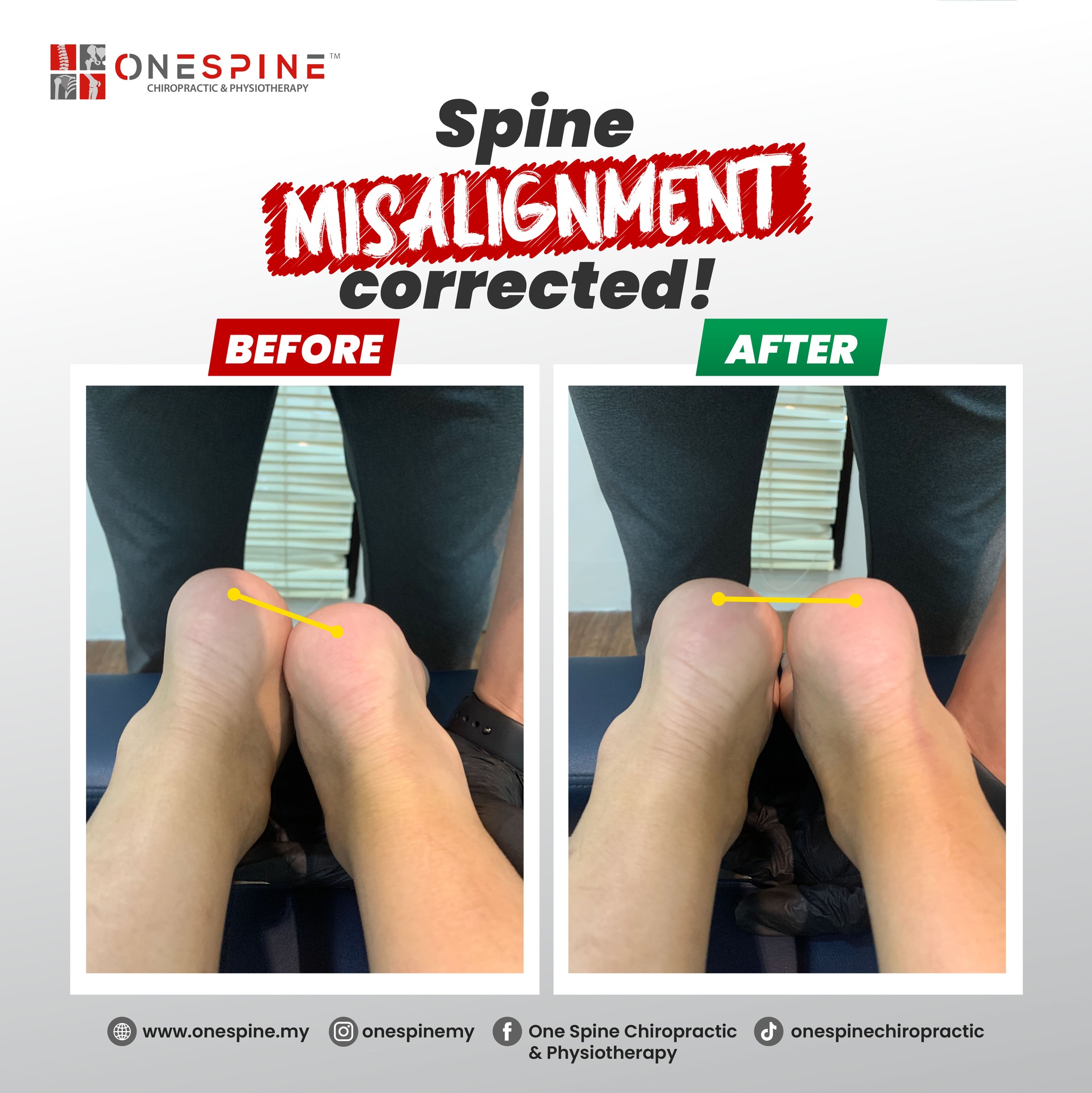
Our assessment may include checking:
This helps us create a personalized rehabilitation plan based on the patient’s posture condition, movement limitations, pain level, and daily goals.
For new patients, we explain the process in What to Expect During Your First Chiropractic Visit in KL.
Chiropractic care may help improve spinal and joint function when stiffness, restriction, or poor alignment affects movement. This may support better posture balance and more comfortable daily motion.
Our chiropractic approach may help with:
We use chiropractic care as part of an integrated rehabilitation plan, especially when posture and movement problems involve spinal restriction or joint stiffness.
Learn more about our chiropractic approach through Chiropractic Care Service in KL, Petaling Jaya, Selangor.
Physiotherapy rehabilitation focuses on improving strength, flexibility, mobility, balance, and movement control. This is important because posture and movement changes need active correction, not only passive treatment.
Our rehabilitation exercises may include:
These exercises help retrain the body to move more efficiently and reduce strain on the spine and joints. Depending on the condition, our team may recommend Physiotherapy Services in KL & Petaling Jaya or structured Rehab & Strengthening Programs in KL & PJ.
Some patients need support for muscle tightness, stiffness, inflammation, or pain before they can move comfortably. When suitable, we may use supportive therapies as part of the rehabilitation plan.
Supportive therapies may include:
These therapies may help reduce muscle tension, improve circulation, and support better movement when combined with rehabilitation exercises.
Long-term improvement often depends on what patients do outside the clinic. That is why we include education on posture, movement habits, workstation setup, exercise consistency, and injury prevention.
We may guide patients on:
For patients who sit for long hours, we may also recommend reading Sitting Too Long Causing Lower Back Pain? to understand how prolonged sitting affects posture and mobility.
After rehabilitation, many patients may experience better posture, improved mobility, stronger muscles, reduced stiffness, and better daily movement comfort. Results depend on the condition, consistency, pain severity, lifestyle habits, and how well the rehabilitation plan is followed.
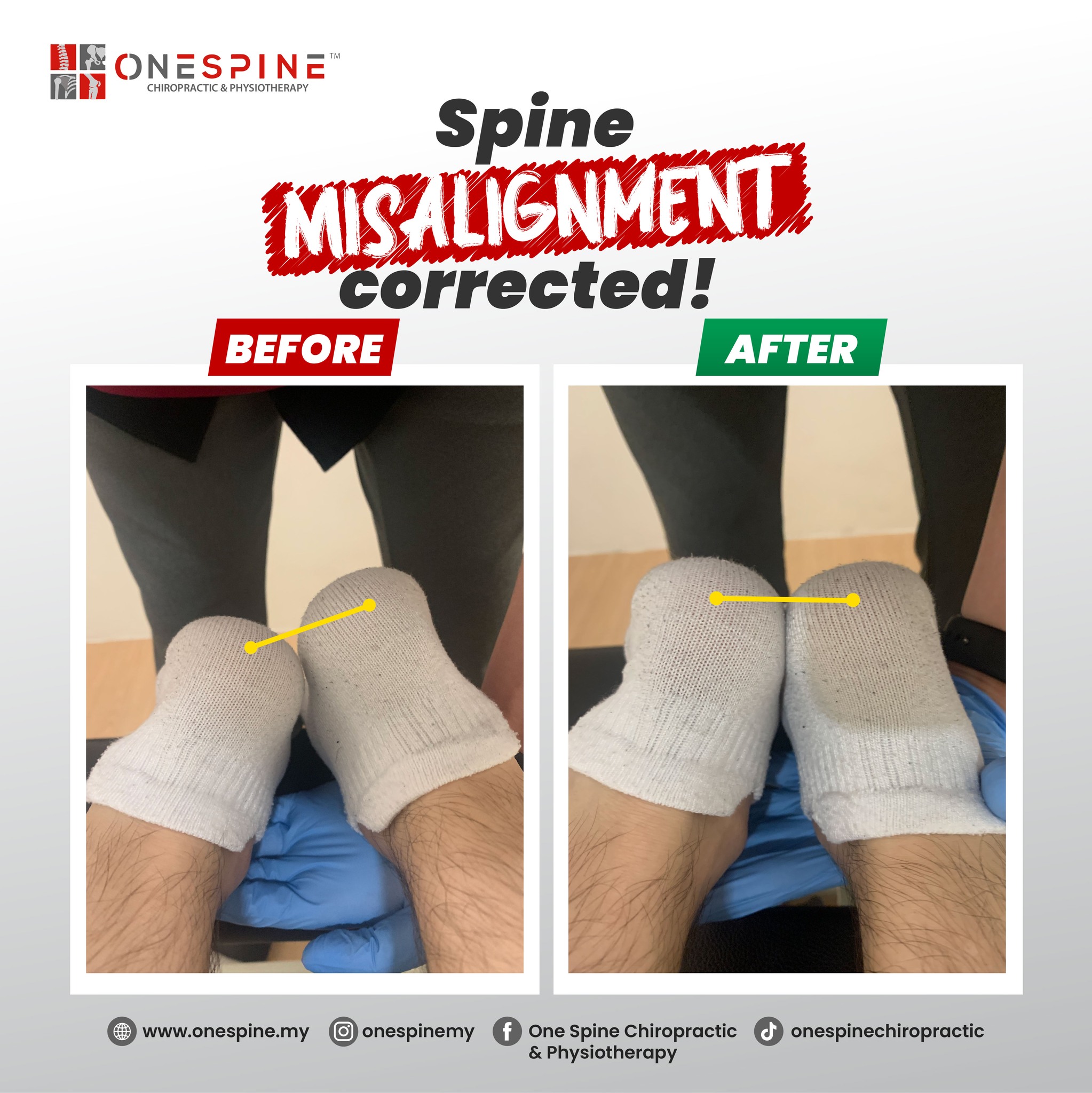
Rehabilitation is not only about feeling less pain. It is also about helping the body move with better control, balance, strength, and confidence.
Posture may improve when the spine, muscles, and joints work together more efficiently. Better posture may reduce unnecessary strain on the lower back, neck, shoulders, and hips.
Possible posture improvements include:
Patients may also feel more confident maintaining proper posture during work, study, driving, and exercise.
Movement may improve as stiff joints, tight muscles, and weak support areas are addressed. This may make daily activities easier and more comfortable.
Possible movement improvements include:
For people recovering from injuries, our Post-Injury Rehab & Strengthening care may help support structured recovery and safer return to activity.
Rehabilitation may help reduce pain by improving posture, strengthening weak muscles, restoring mobility, and reducing unnecessary strain. Many patients seek help because pain has started affecting work, sleep, movement, or exercise.
Possible improvements include:
If pain involves the lower back, our Low Back Pain Treatment in KL service may be suitable as part of a personalized care plan.
Rehabilitation helps build strength in the muscles that support posture and movement. Stronger muscles help protect the spine and joints during daily activity.
Key muscle groups often targeted include:
When these muscles become stronger, the body may move with better control and less compensation. This helps reduce the risk of recurring pain or future injury.
We provide integrated chiropractic and physiotherapy rehabilitation for patients who want to improve posture, mobility, strength, and long-term function. Our focus is on non-surgical, drug-free, evidence-based, and patient-focused care.
We combine chiropractic adjustments with physiotherapy rehabilitation because posture and movement problems often involve both joint restriction and muscle weakness. This integrated approach helps us support spinal function, movement quality, strength, and posture correction together.
For patients comparing both approaches, our guide on Chiropractic Adjustment vs Rehabilitation | One Spine Guide explains how each method supports recovery.
Every patient receives a rehabilitation plan based on their posture condition, movement limitations, pain level, daily routine, and recovery goals. We do not use a one-size-fits-all approach because every body moves differently.
Our rehabilitation programs focus on natural recovery methods without surgery or long-term medication. We aim to help patients improve function through movement correction, strengthening, mobility work, and manual care.
Our team includes certified chiropractors and physiotherapists with experience in spinal care, rehabilitation, posture correction, and movement-focused recovery. Our certified chiropractors and physiotherapists hold formal healthcare qualifications, CCEA-accredited chiropractic programme backgrounds, and professional registrations or memberships with recognized healthcare bodies.
You can learn more about our team through Certified Chiropractors & Physiotherapists in KL, PJ, Selangor.
Our organization has treated over 20,000 patients, including office workers, athletes, students, drivers, parents, and people with spine, joint, muscle, posture, and movement-related concerns.
We use an evidence-based and patient-focused approach to assess movement, explain findings clearly, and recommend care based on the patient’s condition and goals. Our team focuses on long-term improvement, not only short-term pain relief.
Posture and movement rehabilitation may benefit people who experience stiffness, poor posture, recurring pain, weakness, or reduced mobility. It may also help those recovering from injuries or wanting better physical function.
You may benefit if you:
Patients who are unsure whether chiropractic care or physiotherapy is more suitable may read Chiropractor vs Physiotherapist: Which One Do You Need? to understand the difference between both roles.
Before rehabilitation, patients often experience poor posture, stiffness, pain, weakness, and limited movement. After rehabilitation, many may notice better posture, improved mobility, stronger muscles, and reduced discomfort.
Rehabilitation improves posture by strengthening weak muscles, stretching tight areas, improving joint mobility, and retraining movement habits. This helps the body maintain better alignment during daily activity.
The timeline depends on the condition, pain severity, consistency, and lifestyle habits. Some patients notice early improvements in comfort or mobility, while long-term posture change usually requires consistent rehabilitation.
No. Rehabilitation may help people with poor posture, muscle imbalance, stiffness, reduced mobility, recurring pain, or movement problems, even without a specific injury.
Yes. We combine chiropractic care and physiotherapy when suitable because posture and movement problems often involve both joint restriction and muscle weakness.
In summary, posture and movement changes before and after rehabilitation may include better spinal alignment, improved flexibility, stronger muscles, reduced pain, and better daily movement quality. At One Spine Chiropractic & Physiotherapy, we support patients across KL, TTDI, and PJ with chiropractic care, physiotherapy rehabilitation, posture correction, and movement-focused recovery plans designed to improve long-term physical function.

 Japan
Japan