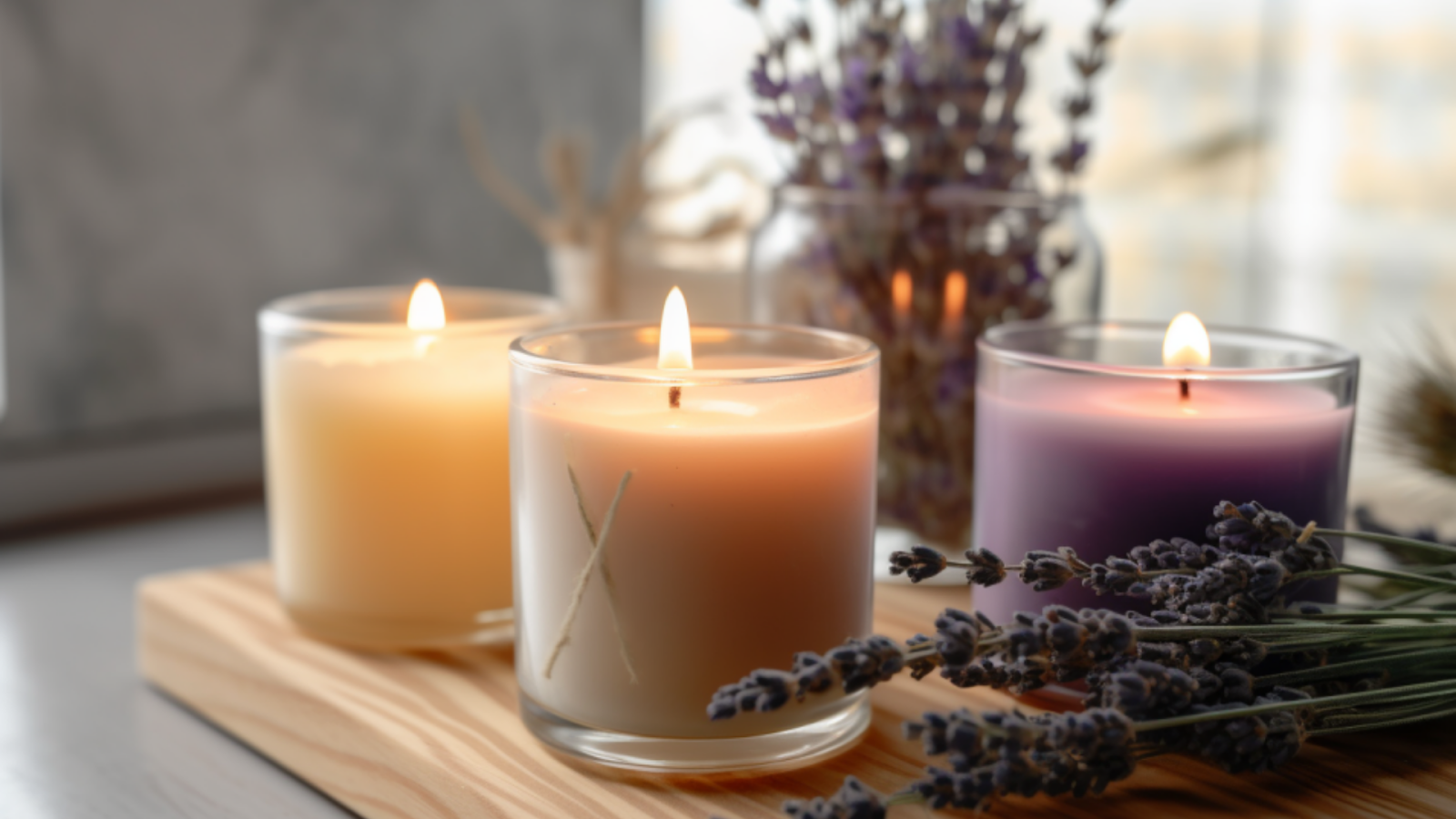
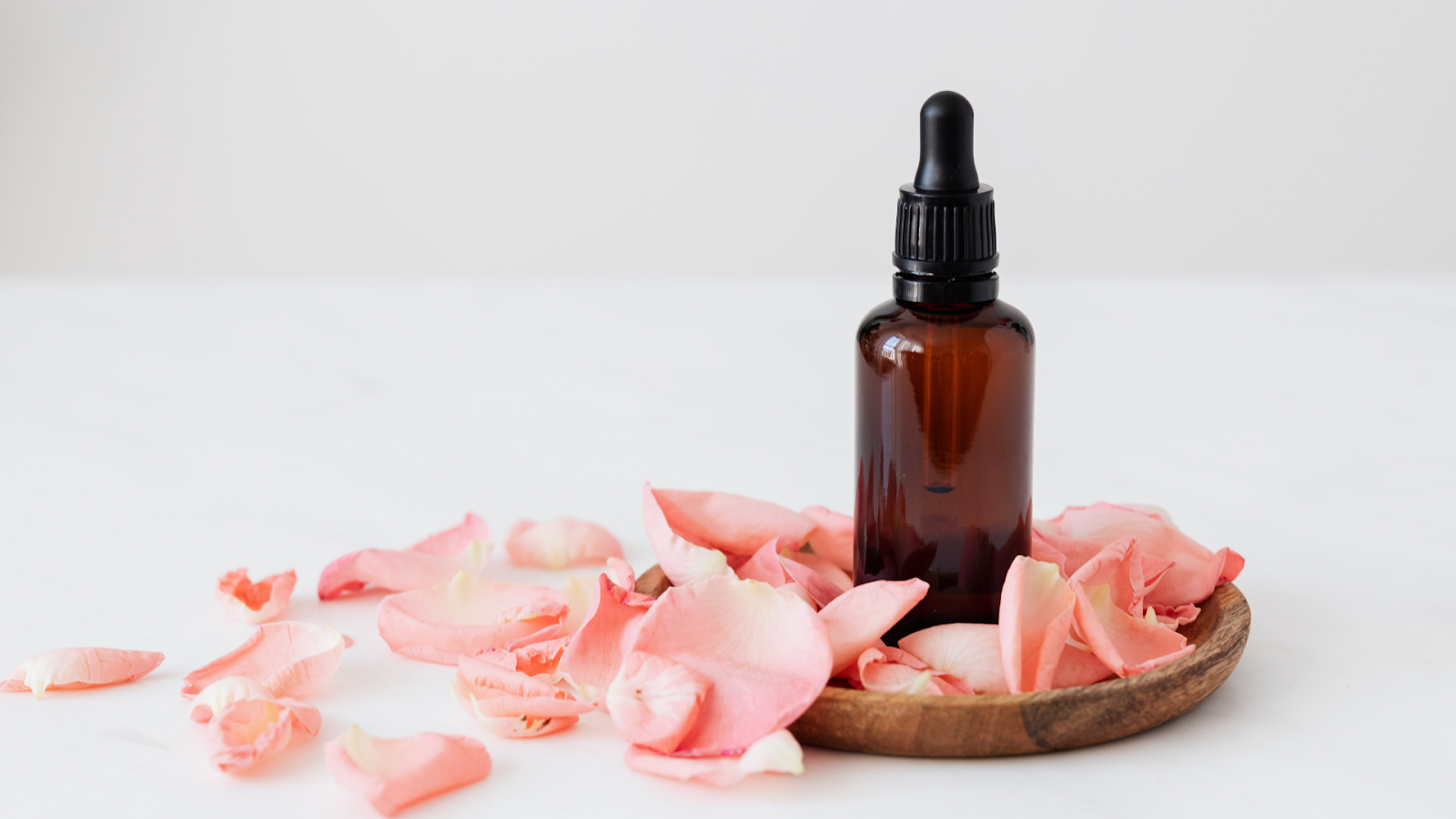
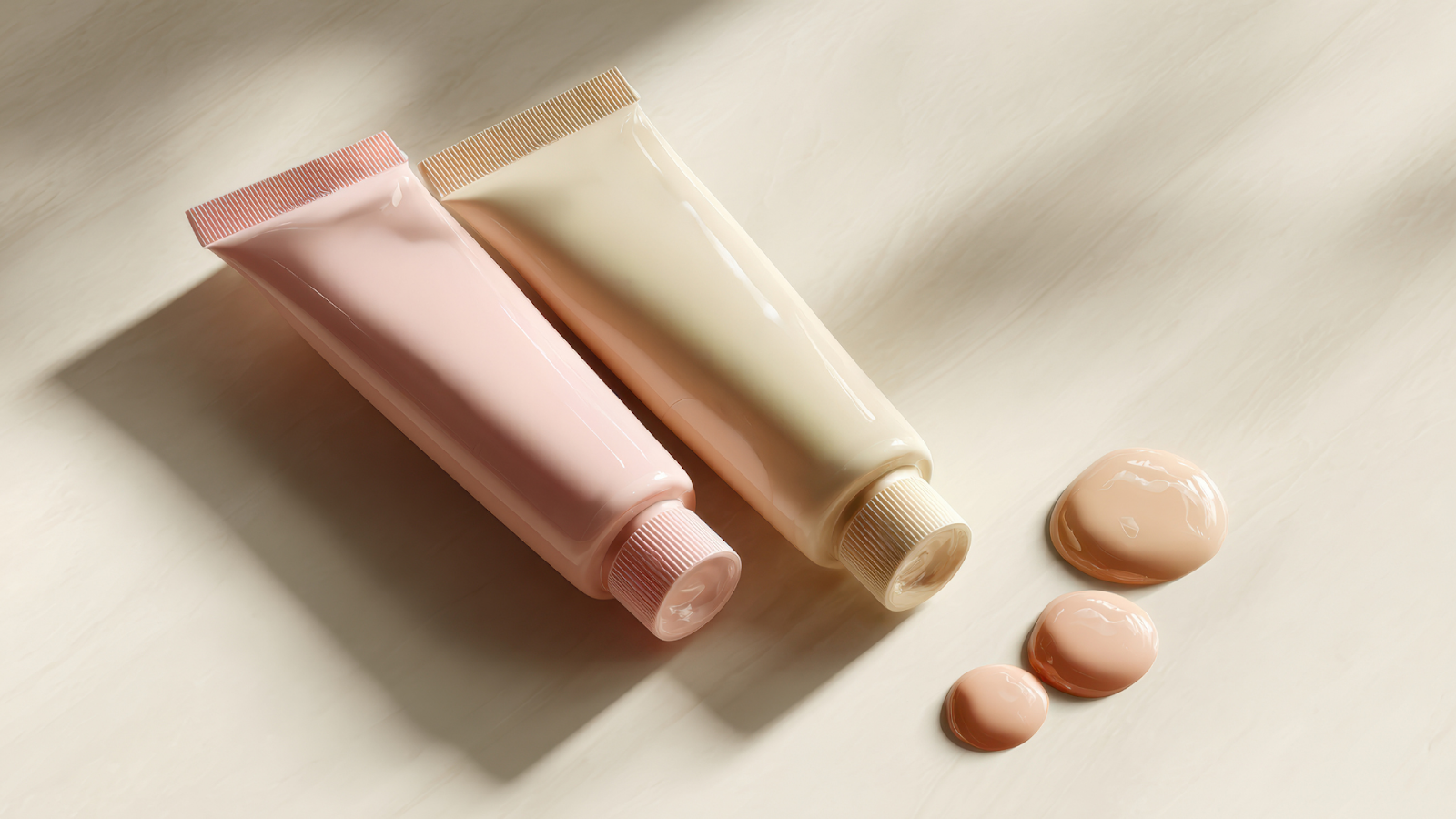
Valentine’s season is all about romance roses, perfumes, scented candles, and beautifully packaged skincare. But if you have sensitive skin, acne-prone skin, or recently treated skin, this is the time to be extra careful with what you apply.
Many people assume that “fragrance-free skincare” means irritation-free.
Unfortunately, that’s not always true.
In skincare labeling, fragrance-free does not always mean scent-free.Some products may still cause skin reactions because:
Certain formulations include masking agents to cover the natural smell of ingredients. These do not have to be listed as “fragrance,” but they can still irritate sensitive skin.
Botanical ingredients such as rose, lavender, citrus, or essential oils may sound gentle and romantic, but on sensitive or post-treatment skin, they can trigger redness, stinging, or breakouts.
During this period, skin is often exposed to:
This combined fragrance exposure increases the risk of irritation, acne flare-ups, and sensitivity especially for compromised skin barriers.
Why This Matters for Post-Treatment Skin
After professional treatments such as:
the skin barrier is more vulnerable. Using fragranced or poorly labeled products during this time can slow recovery, cause inflammation, or reduce treatment results.

 Indonesia