

In the Hong Kong market, Porcupine Bezoar (also known as ''Porcupine Date'') is frequently associated with complex questions regarding authenticity. For many collectors and users, the primary concern is often a simple one: ''Is it genuine?''
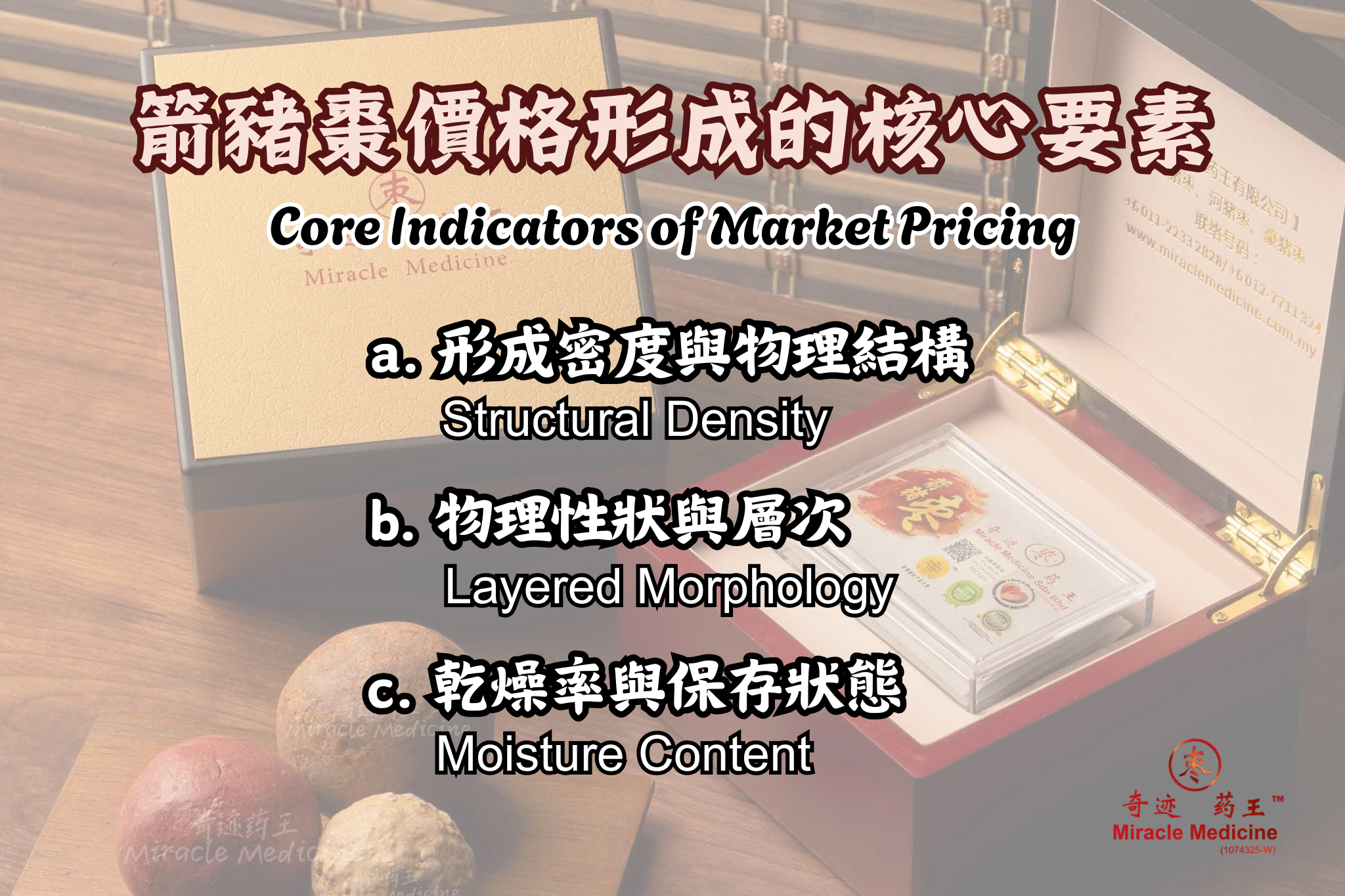
However, authenticity is rarely a question that can be resolved through a single, immediate method. As a niche and high-value raw material circulating across multiple forms and processing practices, the complexity of verification is often underestimated in information-asymmetric markets.
Traditionally, visual cues such as shape, color, and surface texture have been used as primary reference points. However, as market practices evolve, relying solely on visual inspection has become increasingly risky. Modern processing techniques can intentionally replicate natural appearances, diminishing the effectiveness of traditional visual indicators.
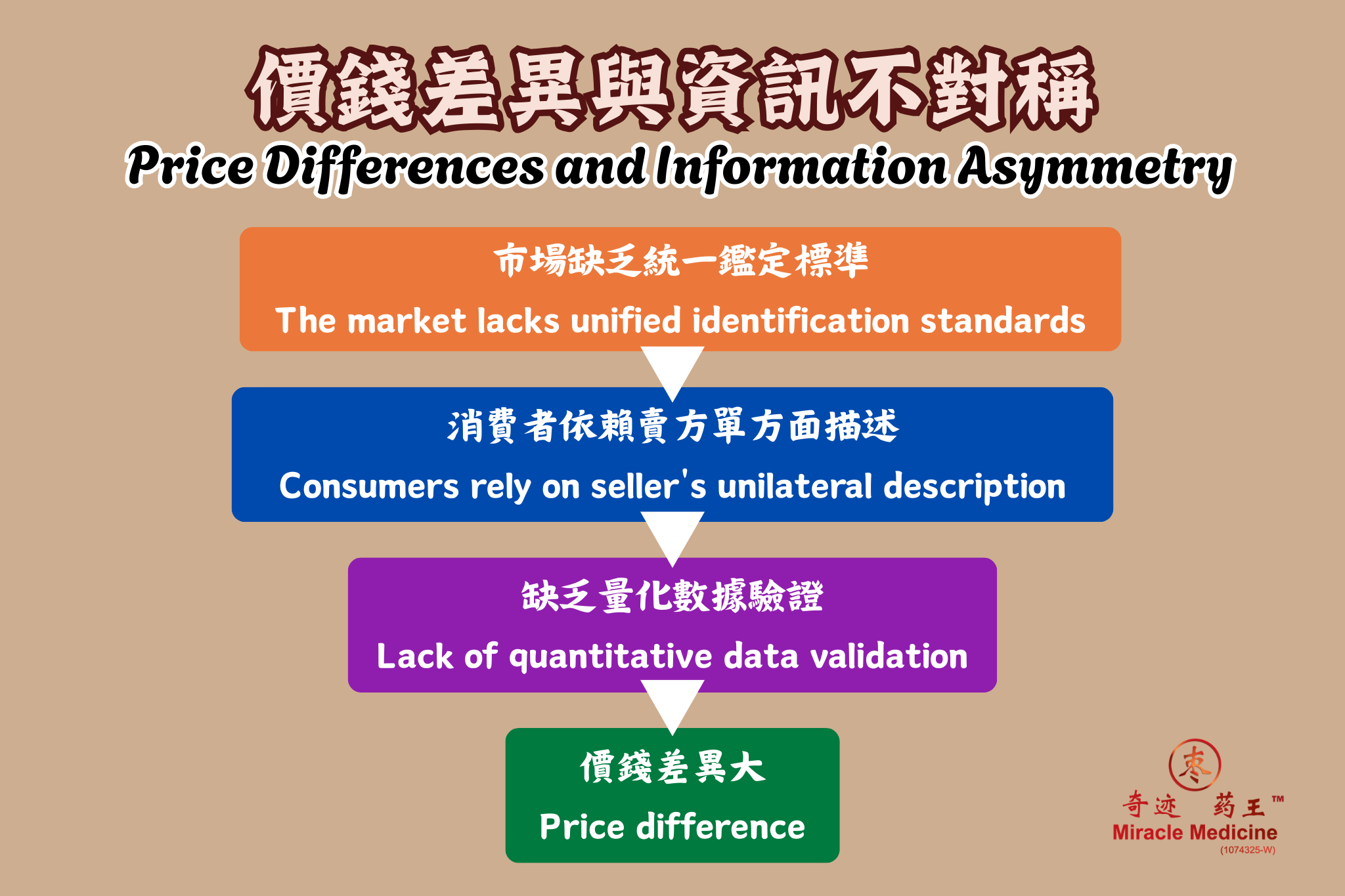
Visual inspection only reflects surface-level characteristics. It cannot reveal internal composition, processing history, or the specific biological context of the material.
As a result, laboratory-based testing methods are frequently discussed within the professional market. However, it is crucial to understand that testing should not be mistaken for an absolute or automatic answer. Every analytical method operates within a defined scope; without expert contextual interpretation, data can be oversimplified or misunderstood.
Recognizing these limitations, the industry is moving toward more sophisticated, data-oriented verification. Concepts such as Bio-active Essence Grading are now being introduced to provide a measurable framework for understanding variability.
These approaches are not positioned as definitive solutions to replace tradition, but as an ongoing effort to improve consistency and interpretability within a complex and opaque market environment.
Market Awareness: Understanding why verification is difficult is often a more meaningful step for risk reduction than rushing toward an oversimplified conclusion.
Q: Why is visual inspection no longer sufficient?
A: External aesthetics can be professionally manipulated to mimic natural growth patterns. Relying on sight alone fails to account for the internal biochemical integrity of the bezoar.
Q: Does a lab report guarantee authenticity?
A: A report provides raw data. Authenticity is determined by interpreting that data alongside provenance, circulation history, and known biological markers.
Q: What is ''Bio-active Essence Grading''?
A: It is a quantitative approach that shifts the focus from subjective ''experience'' to objective ''indicators,'' helping users understand the concentration of active components rather than just physical weight.
This content is provided for educational and informational purposes only. It does not constitute medical advice, product endorsement, authenticity certification, or purchasing recommendations.
Verification of Porcupine Bezoar involves multiple biological, physical, and market-related variables. Readers are advised to conduct independent evaluation and consult qualified professionals before making any decisions.

 China
China