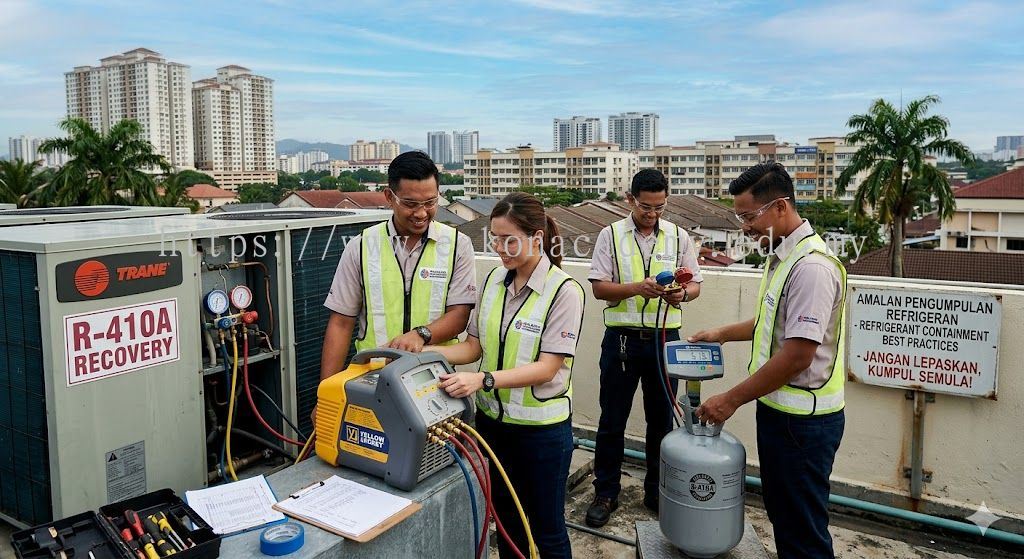
HVAC Refrigerant Containment: Essential Practices for Environmental Protection, System Efficiency, and Regulatory Compliance
HVAC refrigerant containment is a critical component of modern heating, ventilation, air conditioning, and refrigeration (HVACR) management. As industries worldwide focus on reducing environmental impact and improving energy efficiency, proper refrigerant containment has become a top priority for building owners, facility managers, HVAC technicians, and environmental regulators. Refrigerants are the lifeblood of cooling systems, enabling effective heat transfer and temperature control in residential, commercial, and industrial applications. However, when refrigerants leak into the atmosphere, they can contribute to ozone depletion and global warming, particularly in the case of high Global Warming Potential (GWP) refrigerants. Implementing effective HVAC refrigerant containment practices helps organizations maintain system performance, reduce operating costs, comply with environmental regulations, and support long-term sustainability goals.
HVAC refrigerant containment refers to the strategies, technologies, and procedures used to ensure that refrigerants remain securely contained within cooling and refrigeration systems throughout their operational lifecycle. This includes proper system design, professional installation, routine maintenance, leak detection, refrigerant recovery, recycling, and responsible disposal. Effective containment minimizes refrigerant emissions and protects both the environment and the financial investment made in HVAC infrastructure. Organizations that prioritize HVAC refrigerant containment often experience improved equipment reliability, reduced maintenance costs, and enhanced energy efficiency.
One of the most important aspects of HVAC refrigerant containment is proper system installation. A refrigeration system that is designed and installed according to industry standards is significantly less likely to develop leaks. Technicians must ensure that piping systems are correctly sized, joints are properly brazed, fittings are secure, and pressure testing is completed before commissioning. Proper installation serves as the foundation for long-term refrigerant containment and reliable system performance.
Routine maintenance is another essential element of HVAC refrigerant containment. Over time, vibration, corrosion, wear, and environmental conditions can compromise system components and lead to refrigerant leaks. Scheduled maintenance inspections help identify potential issues before they become significant problems. Activities such as checking refrigerant pressures, inspecting valves and fittings, cleaning coils, and evaluating system performance contribute to effective refrigerant containment and improved operational efficiency.
Leak detection technology plays a vital role in HVAC refrigerant containment programs. Modern electronic leak detectors, ultrasonic testing devices, infrared sensors, and automated monitoring systems allow technicians to identify refrigerant leaks quickly and accurately. Early leak detection prevents refrigerant loss, reduces environmental harm, and minimizes system downtime. Advanced monitoring technologies can even provide real-time alerts when leaks occur, enabling immediate corrective action.
Proper refrigerant handling procedures are fundamental to successful HVAC refrigerant containment. During maintenance, repairs, retrofits, or equipment decommissioning, refrigerants must be recovered using certified recovery equipment rather than released into the atmosphere. Recovered refrigerants can be recycled, reclaimed, or processed according to environmental regulations. These practices support responsible refrigerant management while reducing the need for new refrigerant production.
Energy efficiency is closely linked to HVAC refrigerant containment. Systems that maintain correct refrigerant charge levels operate more efficiently and provide better cooling performance. Refrigerant leaks often result in reduced cooling capacity, increased compressor workload, and higher energy consumption. By maintaining effective refrigerant containment, organizations can improve energy efficiency, lower utility costs, and extend equipment lifespan.
Environmental sustainability is one of the primary reasons organizations invest in HVAC refrigerant containment. Many refrigerants used in HVAC systems have high GWP values and can contribute significantly to climate change when released. Effective containment practices help reduce greenhouse gas emissions and support national and international environmental initiatives. Businesses that implement strong refrigerant containment programs also demonstrate corporate responsibility and commitment to sustainable operations.
Technician training and competency are crucial factors in achieving effective HVAC refrigerant containment. HVAC professionals must understand refrigerant properties, leak prevention techniques, recovery procedures, environmental regulations, and safe handling practices. Continuous professional development ensures that technicians remain knowledgeable about emerging refrigerant technologies and industry best practices. Skilled technicians are essential for maintaining refrigerant containment and ensuring system compliance.
At eakonacadem.edu.my, HVAC professionals, technicians, facility managers, and industry stakeholders can access specialized training programs focused on HVAC refrigerant containment, refrigerant recovery and recycling, leak detection technologies, environmental compliance, and sustainable HVACR practices. These comprehensive programs combine theoretical learning with practical hands-on experience to equip participants with the knowledge and skills required to manage refrigerants responsibly and effectively.
As environmental regulations become increasingly stringent and organizations prioritize sustainability, HVAC refrigerant containment will continue to play a central role in the future of the HVACR industry. Businesses that invest in effective refrigerant containment strategies can reduce environmental impact, improve system performance, strengthen regulatory compliance, and lower operational costs. Through professional training and industry-focused education offered by eakonacadem.edu.my, HVAC professionals can develop the expertise needed to support a cleaner, more efficient, and environmentally responsible cooling industry.
更多 EAKON ACADEMY SDN BHD 相关资料 Malaysia