
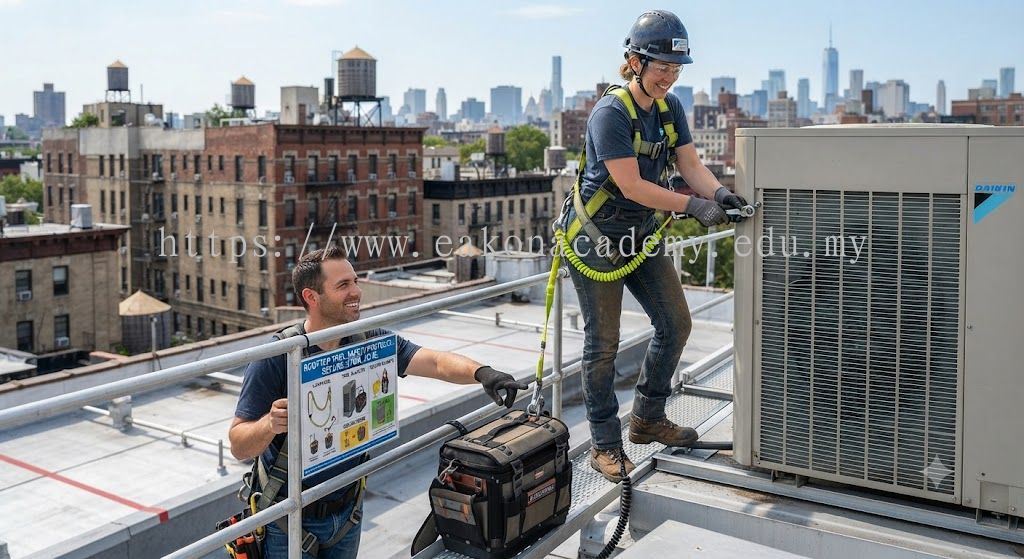
HVAC Safe Work Practice Tool Handling Procedures: Essential Guidelines for Professional Air Conditioning Safety
HVAC safe work practice tool handling procedures are a fundamental part of ensuring safe, efficient, and professional air conditioning installation, maintenance, and repair operations. HVAC technicians work with a wide range of specialized tools and equipment, including hand tools, power tools, electrical testing instruments, refrigeration service equipment, and installation accessories. Without proper handling procedures, these tools can create serious workplace hazards such as cuts, electrical injuries, equipment damage, incorrect installation, and work delays. Following effective HVAC safe work practice tool handling procedures allows technicians to control risks, improve productivity, and maintain high standards of workmanship throughout every HVAC project. At Eakon Academy (eakonacadem.edu.my), we provide professional HVAC training programs that focus on practical safety procedures, correct tool usage, hazard prevention, and industry-based installation skills to prepare technicians for modern air conditioning and refrigeration challenges.
Safe tool handling begins with proper preparation before starting any HVAC task. Technicians should review the work requirements, identify potential hazards, and select the correct tools needed for the job. A proper work preparation process includes checking the installation environment, understanding equipment specifications, preparing personal protective equipment (PPE), and ensuring all tools are available and in good working condition. Proper planning reduces unnecessary movement, prevents delays, and minimizes the possibility of accidents caused by incorrect tool selection or poor preparation.
Selecting the correct tool for each HVAC activity is one of the most important safe work practices. Air conditioning technicians use various tools such as screwdrivers, adjustable wrenches, pliers, pipe cutters, tube benders, flaring tools, torque wrenches, cordless drills, impact drivers, multimeters, clamp meters, vacuum pumps, and refrigerant gauges. Each tool is designed for a specific purpose and should be operated according to manufacturer instructions. Using inappropriate tools can result in damaged components, poor installation quality, and increased safety risks. Professional technicians understand the importance of using suitable tools to achieve accurate and reliable HVAC results.
Regular inspection and maintenance of tools are essential components of HVAC safe work practice tool handling procedures. Before beginning installation or servicing activities, technicians should inspect all tools for damage, wear, and operational issues. Hand tools should be checked for broken handles, loose parts, corrosion, and worn surfaces. Power tools should be inspected for damaged cables, battery conditions, faulty switches, and insulation problems. Refrigeration service equipment such as gauges, hoses, vacuum pumps, and recovery machines should be maintained and calibrated regularly. Routine inspections help prevent unexpected failures and protect technicians from avoidable hazards.
Proper handling of electrical tools is especially important in HVAC operations because air conditioning systems contain electrical components such as compressors, motors, control boards, and power connections. Technicians should use insulated tools, approved electrical testing equipment, and safe isolation procedures when working with electrical systems. Electrical hazards can cause serious injuries if proper procedures are ignored. Safe electrical tool handling ensures technician protection while preventing damage to expensive HVAC equipment.
Tool organization and storage are also important parts of maintaining a safe HVAC workplace. Disorganized tools can create trip hazards, increase the risk of damage, and reduce work efficiency. Technicians should use suitable toolboxes, service bags, tool belts, and storage systems to keep equipment secure and accessible. Tools should be returned to their proper storage locations after use, especially when working in restricted areas, rooftops, ladders, or elevated platforms. Good housekeeping practices create safer working conditions and improve overall job performance.
Working at height requires additional attention to tool handling procedures. Many HVAC installation and maintenance activities involve elevated locations such as rooftops, ceiling spaces, external walls, and commercial buildings. Tools must be properly secured to prevent dropped object incidents that may injure workers below or damage property. Technicians should use tool tethering systems, safety lanyards, and secure storage methods when working at height. Proper control of tools ensures safer operations while maintaining productivity during challenging installation conditions.
Manual handling safety is another important aspect of HVAC tool management. Technicians often transport heavy equipment such as outdoor units, compressors, vacuum pumps, recovery machines, and installation materials. Improper lifting methods can cause muscle injuries and long-term health problems. Safe work practices include using correct lifting techniques, team lifting methods, and mechanical assistance when required. Proper handling reduces physical strain and improves workplace efficiency.
Personal protective equipment plays an important role in supporting safe tool handling procedures. HVAC technicians should wear appropriate PPE including safety helmets, protective gloves, safety glasses, safety footwear, and suitable work clothing. PPE protects against common hazards such as sharp edges, electrical contact, flying particles, refrigerant exposure, and hot surfaces during brazing activities. Regular inspection and proper use of PPE ensure technicians receive effective protection during every HVAC task.
Continuous training and competency development are essential for maintaining safe HVAC tool handling practices. Professional technicians should receive hands-on training covering tool operation, equipment inspection, workplace hazards, emergency procedures, electrical safety, refrigerant handling, and installation techniques. Regular training helps technicians stay updated with modern HVAC technologies and improves their ability to identify and control risks. A strong safety culture supports better productivity, fewer accidents, and higher customer confidence.
At Eakon Academy (eakonacadem.edu.my), we are committed to developing skilled HVAC professionals through comprehensive and practical training programs. Our courses emphasize HVAC installation safety, professional tool handling, working at height procedures, electrical protection, refrigerant management, hazard assessment, and industry best practices. By mastering HVAC safe work practice tool handling procedures, technicians can reduce workplace hazards, improve installation quality, protect valuable HVAC systems, and deliver reliable services to customers. Proper tool handling is a critical foundation for building a safer, more efficient, and successful air conditioning and refrigeration industry.
More detail about EAKON ACADEMY SDN BHD Malaysia
