
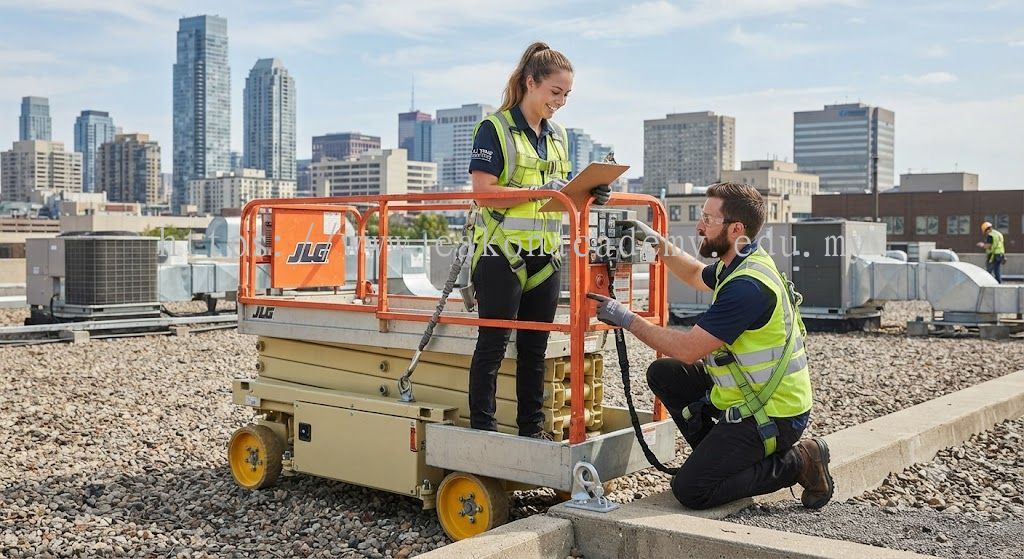
HVAC Elevated Work Platform Safety Procedures: Essential Guidelines for Safe Working at Height
HVAC elevated work platform safety procedures are essential guidelines that help air conditioning and refrigeration technicians perform installation, maintenance, and repair activities safely when using elevated access equipment. In the HVAC industry, elevated work platforms (EWP) are commonly used for tasks such as installing outdoor air conditioning units, servicing rooftop systems, maintaining commercial HVAC equipment, and accessing high-level mechanical areas. Proper knowledge of elevated work platform operation and safety practices is important to prevent accidents, protect technicians, and improve workplace efficiency. Eakon Academy provides professional HVAC training programs that focus on developing skilled technicians with strong technical knowledge and effective workplace safety practices.
Working at height using an elevated work platform requires proper planning, training, and risk assessment before beginning any HVAC task. HVAC elevated work platform safety procedures start with evaluating the working environment and identifying potential hazards such as unstable ground conditions, overhead obstacles, electrical hazards, restricted areas, weather conditions, and incorrect equipment operation. A proper workplace assessment allows technicians to implement suitable safety controls and ensure that the elevated work platform is used safely according to project requirements.
One of the most important safety practices for HVAC technicians using elevated work platforms is selecting the correct equipment for the job. Different HVAC installation and maintenance tasks may require different types of elevated access equipment depending on working height, location, and operational requirements. Before use, technicians should inspect the platform condition, controls, safety devices, guardrails, tires, and other important components. Regular equipment inspection helps identify potential problems and reduces the risk of equipment failure during operation.
Proper operator training is a critical part of HVAC elevated work platform safety procedures. Technicians should understand how to operate the equipment correctly, including starting procedures, movement controls, positioning methods, and emergency functions. Only trained and authorized personnel should operate elevated work platforms during HVAC activities. Proper training ensures technicians understand equipment limitations and can respond appropriately to unexpected situations while working at height.
Personal protective equipment (PPE) is also an important requirement when using elevated work platforms for HVAC work. Safety helmets, protective footwear, gloves, and appropriate fall protection equipment help reduce injury risks during operation. Depending on the work environment and safety requirements, technicians may need to use safety harnesses and approved attachment systems. Understanding proper PPE selection, inspection, and usage helps create safer working conditions for HVAC professionals.
HVAC elevated work platform safety procedures also include maintaining safe working practices while performing installation and maintenance activities from the platform. Technicians should avoid unsafe movements, maintain proper positioning, secure tools and materials, and follow recommended operating limits. Air conditioning tools, refrigerant equipment, electrical instruments, and installation components should be managed carefully to prevent falling objects and workplace hazards. Good communication between operators and ground workers is essential for safe and efficient HVAC operations.
For commercial and industrial HVAC projects, elevated work platforms are often used for larger systems such as VRV/VRF installations, rooftop air conditioning units, central cooling equipment, and industrial HVAC maintenance. These environments require advanced safety awareness, effective teamwork, and proper emergency procedures. Technicians who understand elevated work platform safety can perform complex HVAC tasks with greater confidence and professionalism.
Implementing effective HVAC elevated work platform safety procedures provides many benefits for companies and technicians. Proper safety practices help reduce workplace accidents, improve productivity, and ensure HVAC projects are completed according to professional standards. Trained technicians are better prepared to handle challenging installation and maintenance environments while protecting themselves and others.
Eakon Academy is committed to developing competent HVAC professionals through practical and industry-focused training programs. Learning HVAC elevated work platform safety procedures enables participants to gain valuable skills in equipment inspection, hazard identification, safe operation methods, and working at height practices. These skills support technicians in achieving higher competency and maintaining safety excellence in the HVAC industry.
By applying proper HVAC elevated work platform safety procedures, technicians can improve workplace protection, reduce operational risks, and deliver reliable HVAC services. Elevated work platform training is an important investment for every HVAC professional who wants to strengthen their technical abilities, enhance safety knowledge, and build a successful career in the air conditioning and refrigeration industry.
More detail about EAKON ACADEMY SDN BHD Malaysia
