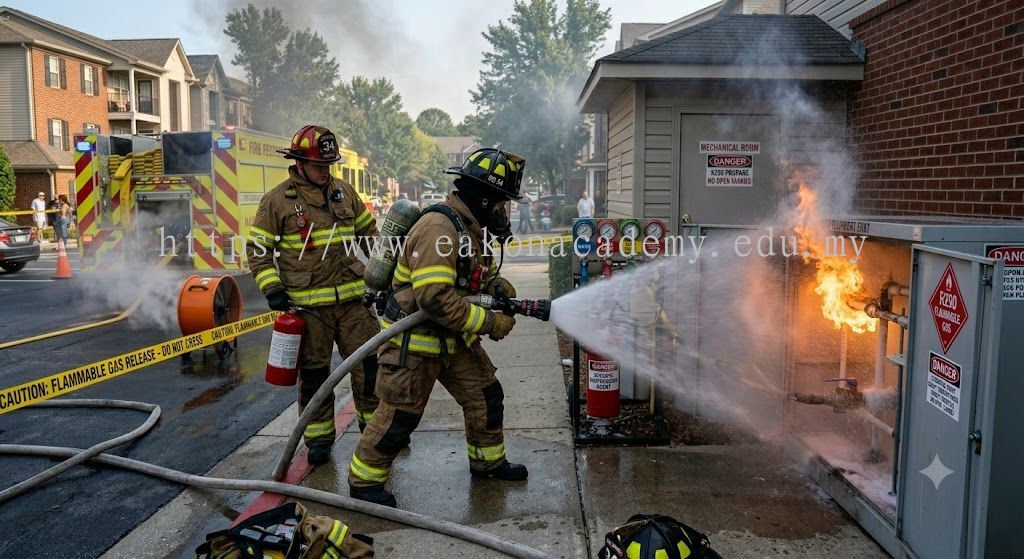
R290 FIRE SUPPRESSION METHODS – HVAC EMERGENCY CONTROL SYSTEMS, FLAMMABLE REFRIGERANT FIRE MITIGATION, AND INDUSTRIAL SAFETY SOLUTIONS
R290 fire suppression methods are a critical aspect of modern HVAC and refrigeration safety engineering, especially as propane (R290) continues to be widely adopted as a low-GWP, energy-efficient refrigerant. While R290 provides excellent environmental benefits and strong cooling performance, its highly flammable nature requires carefully designed fire suppression methods to prevent and control fire incidents. Understanding R290 fire suppression methods is essential for HVAC technicians, engineers, facility managers, and safety professionals responsible for maintaining safe refrigeration systems in residential, commercial, and industrial environments.
The primary objective of R290 fire suppression methods is to control or extinguish fires caused by refrigerant leaks or ignition events while minimizing damage to equipment and ensuring the safety of personnel. Because R290 can form explosive mixtures with air, fire suppression strategies must focus not only on extinguishing flames but also on eliminating the fuel source and preventing re-ignition. This makes R290 fire suppression different from conventional fire control methods used in non-flammable refrigerant systems.
One of the most commonly used R290 fire suppression methods is the application of dry chemical powder extinguishers. These extinguishers are highly effective in interrupting the chemical reaction of fire and are suitable for hydrocarbon-based fires such as propane. Dry chemical agents quickly smother flames and prevent oxygen from sustaining combustion. Carbon dioxide (CO ) extinguishers are also widely used because they displace oxygen and help suffocate the fire without leaving residue, making them suitable for sensitive HVAC equipment areas.
However, fire suppression alone is not sufficient without proper system shutdown and isolation. A critical step in R290 fire suppression methods is stopping the release of refrigerant gas by shutting down the HVAC system and closing service valves. If the fuel source continues to leak, extinguishing the flame may result in dangerous gas accumulation and potential re-ignition or explosion. Therefore, fire suppression must always be combined with rapid refrigerant isolation and system shutdown procedures.
Ventilation control also plays a supporting role in fire suppression strategies. After initial fire control measures are applied, mechanical ventilation systems may be used to disperse remaining refrigerant gas and reduce the risk of secondary ignition. However, ventilation must be carefully managed to avoid spreading flames or increasing oxygen levels in a way that could intensify the fire. Proper engineering design ensures that ventilation systems are explosion-proof and safe for use in hazardous environments.
Advanced R290 fire suppression methods also include automated fire suppression systems integrated into HVAC installations. These systems can detect heat, gas leaks, or flame presence and automatically activate suppression agents without human intervention. This rapid response significantly reduces fire damage and improves safety in high-risk industrial environments. In some large-scale refrigeration facilities, specialized suppression systems such as inert gas systems or clean agent systems may also be used, depending on risk assessment and system design.
Personal safety is a critical factor during fire suppression operations. Technicians and emergency responders must wear appropriate personal protective equipment (PPE), including flame-resistant clothing, safety goggles, gloves, and respiratory protection when necessary. Only trained personnel should attempt to control R290-related fires, as improper handling can increase the risk of explosion or injury. In severe cases, full evacuation of the area is required before fire suppression begins.
Training and education are essential for effective implementation of R290 fire suppression methods. Institutions such as eakonacadem.edu.my provide specialized HVAC training programs that equip learners with the knowledge and skills required to manage flammable refrigerants safely. Through practical simulations, theoretical instruction, and safety-focused coursework, technicians learn how to identify fire risks and apply appropriate suppression techniques. Compliance with international safety standards such as ISO 817 and EN 378 further ensures that best practices are followed across the industry.
Post-incident procedures are also an important part of fire suppression management. After a fire event is controlled, the system must be inspected, repaired, and tested before being returned to service. Detailed documentation of the incident helps improve future safety strategies and enhances fire prevention planning.
From an SEO perspective, R290 fire suppression methods is a high-value keyword for HVAC training providers, refrigeration safety platforms, and industrial safety content websites. By publishing detailed and authoritative content on this topic, websites such as eakonacadem.edu.my can improve search engine rankings, attract targeted organic traffic, and strengthen domain authority. This positions the website as a trusted educational resource for HVAC professionals and learners seeking advanced refrigeration safety knowledge.
In conclusion, R290 fire suppression methods are essential for ensuring safe operation in HVAC systems that use flammable refrigerants. With proper suppression techniques, trained personnel, and integrated safety systems, fire risks can be effectively controlled. As the HVAC industry continues to adopt sustainable refrigerant technologies, fire suppression expertise will remain a critical competency for all professionals in the field.
More detail about EAKON ACADEMY SDN BHD Malaysia