
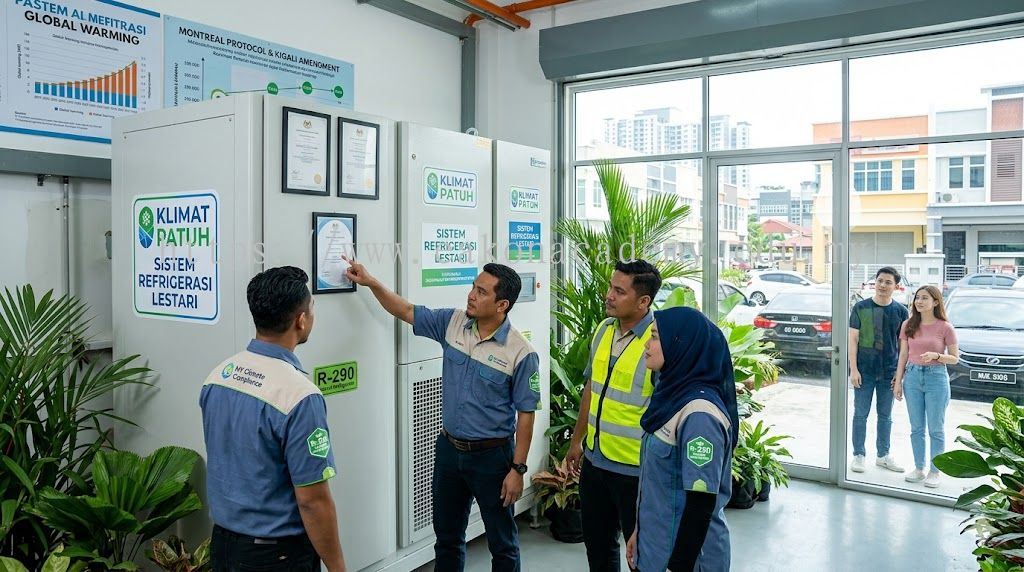
MALAYSIA CLIMATE COMPLIANCE REFRIGERANT SYSTEMS
Malaysia climate compliance refrigerant systems refer to the set of environmental regulations, technical standards, and industry practices that govern how refrigerants are used, managed, and controlled within HVACR (Heating, Ventilation, Air Conditioning, and Refrigeration) systems in Malaysia. These compliance requirements are becoming increasingly important as Malaysia strengthens its commitment to climate action, energy efficiency, and greenhouse gas reduction in alignment with global agreements such as the Montreal Protocol and the Kigali Amendment. Refrigerant systems are a major contributor to carbon emissions when not properly managed, making climate compliance a critical priority for technicians, engineers, contractors, and facility managers operating in the HVACR industry.
In Malaysia, climate compliance for refrigerant systems is primarily enforced by the Department of Environment (DOE), which regulates the use of refrigerants to reduce environmental impact, protect the ozone layer, and limit global warming effects. This includes strict control over refrigerant selection, leak prevention, recovery procedures, recycling methods, and safe disposal practices. High Global Warming Potential (GWP) refrigerants such as certain HFCs are being gradually phased down and replaced with more environmentally friendly alternatives, including low-GWP refrigerants, hydrofluoroolefins (HFOs), and natural refrigerants like CO , ammonia, and hydrocarbons. These changes ensure that HVACR systems operate in a more sustainable manner while still maintaining performance and energy efficiency.
A key element of Malaysia climate compliance refrigerant systems is proper installation and maintenance practices that minimize refrigerant leakage and maximize system efficiency. Even small leaks in refrigerant systems can contribute significantly to greenhouse gas emissions over time, as well as reduce cooling performance and increase energy consumption. Therefore, compliance standards require technicians to follow precise procedures for system charging, pressure testing, leak detection, and routine servicing. These practices not only protect the environment but also extend the lifespan of HVAC equipment and reduce operational costs for building owners and businesses.
Training and certification are essential components of ensuring compliance in Malaysia’s HVACR industry. Technicians must be properly educated in environmental regulations, refrigerant handling techniques, and safety protocols to meet DOE requirements and international standards. Without proper training, improper handling of refrigerants can lead to regulatory violations, environmental damage, and safety hazards. Professional institutions such as Eakon Academy play an important role in providing structured HVACR training programs that focus on climate compliance, refrigerant safety, and practical field applications. These programs help develop skilled professionals who are capable of implementing compliant refrigerant system practices in real-world environments.
Malaysia climate compliance refrigerant systems also contribute significantly to national sustainability goals and energy efficiency initiatives. HVACR systems account for a large portion of energy consumption in commercial and residential buildings, and inefficient refrigerant management can increase electricity usage and carbon emissions. By ensuring compliance with environmental standards, systems operate more efficiently, consume less energy, and reduce overall environmental impact. This supports Malaysia’s broader objective of transitioning toward a low-carbon economy and improving green building performance across various sectors.
In addition to environmental benefits, compliance with refrigerant system regulations enhances business reputation and competitiveness. Companies that adopt climate-compliant HVACR systems demonstrate environmental responsibility, meet regulatory expectations, and align with global sustainability trends. This is increasingly important as clients, investors, and government bodies prioritize eco-friendly practices and carbon reduction strategies. Compliance also reduces the risk of penalties and ensures smoother project approvals and operational continuity.
In conclusion, Malaysia climate compliance refrigerant systems are a vital part of the country’s environmental protection and HVACR industry transformation. By following DOE regulations, adopting sustainable refrigerant technologies, and investing in professional training through institutions such as Eakon Academy, industry professionals can ensure regulatory compliance while improving system performance and environmental responsibility. This integrated approach supports Malaysia’s long-term climate goals and strengthens the future of the HVACR industry.
More detail about EAKON ACADEMY SDN BHD Malaysia
