
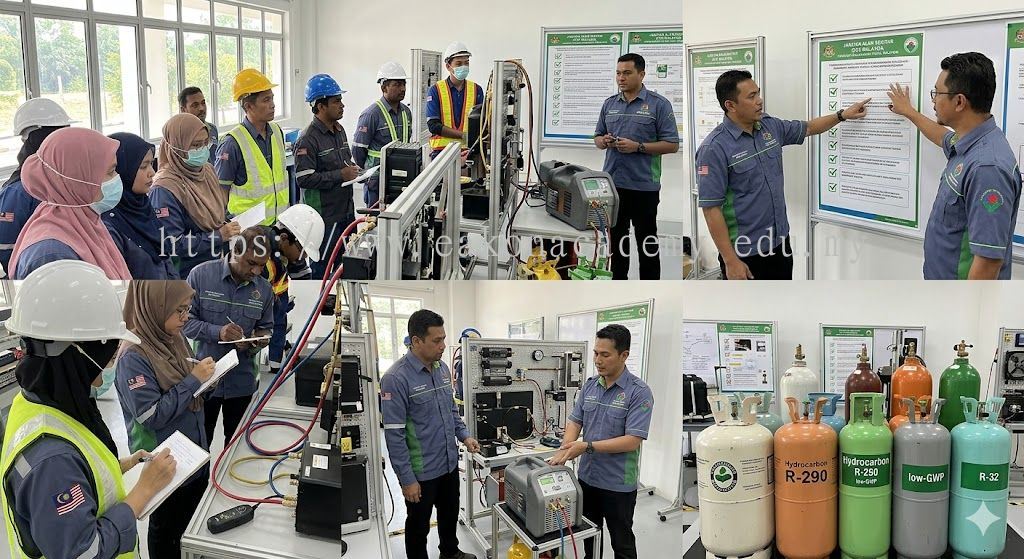
LOW GWP REFRIGERANT COMPLIANCE MALAYSIA
Low GWP refrigerant compliance in Malaysia is a rapidly growing focus within the HVACR (Heating, Ventilation, Air Conditioning, and Refrigeration) industry as the country advances its environmental protection policies and aligns with global climate agreements such as the Kigali Amendment to the Montreal Protocol. Low Global Warming Potential (GWP) refrigerants are designed to minimize environmental impact by significantly reducing greenhouse gas emissions compared to traditional high-GWP refrigerants. These environmentally friendly alternatives play a crucial role in combating climate change, improving energy efficiency, and supporting Malaysia’s long-term sustainability goals. As a result, compliance with low GWP refrigerant regulations has become an essential requirement for HVAC technicians, contractors, and facility managers across the country.
In Malaysia, low GWP refrigerant compliance is closely regulated by the Department of Environment (DOE), which enforces guidelines on refrigerant usage, recovery, leakage control, and proper disposal practices. The transition toward low GWP refrigerants involves replacing harmful substances such as HCFCs and high-GWP HFCs with more sustainable alternatives like hydrofluoroolefins (HFOs), natural refrigerants, and advanced blended refrigerant solutions. These modern refrigerants are engineered to provide efficient cooling performance while significantly reducing their environmental footprint. However, their adoption requires strict compliance with safety standards, technical procedures, and environmental regulations to ensure safe and effective implementation in HVAC systems.
A key factor in achieving low GWP refrigerant compliance in Malaysia is proper training and certification of HVACR professionals. Handling modern refrigerants requires specialized knowledge of system design, pressure characteristics, leak detection techniques, and recovery procedures. Without proper training, improper handling can lead to refrigerant leaks, system inefficiencies, environmental harm, and non-compliance penalties. Therefore, professional education plays a vital role in preparing technicians to meet industry standards and regulatory requirements. Institutions such as Eakon Academy provide structured HVACR training programs that focus on refrigerant compliance, environmental safety, and practical technical skills, ensuring that learners are fully equipped to work with low GWP refrigerant systems in real-world applications.
Low GWP refrigerant compliance also plays a significant role in improving energy efficiency and reducing operational costs in HVAC systems. Systems designed with low GWP refrigerants often operate more efficiently, resulting in lower electricity consumption and improved cooling performance. Proper compliance ensures that systems are installed, maintained, and serviced correctly, reducing the risk of refrigerant leaks and performance degradation. This leads to longer equipment lifespan, fewer breakdowns, and reduced maintenance expenses for building owners and service providers. As energy costs continue to rise, compliance with low GWP standards offers both environmental and financial benefits.
In addition to technical and economic advantages, low GWP refrigerant compliance supports Malaysia’s broader environmental and sustainability agenda. The country is actively working toward reducing its carbon footprint and promoting green building practices across commercial, industrial, and residential sectors. HVACR systems are among the largest contributors to energy consumption and greenhouse gas emissions in buildings, making refrigerant compliance a critical component of national sustainability efforts. Businesses that adopt compliant low GWP refrigerant systems demonstrate environmental responsibility, enhance their corporate reputation, and align with global sustainability expectations.
In conclusion, low GWP refrigerant compliance in Malaysia is a vital element of modern HVACR practices that supports environmental protection, energy efficiency, and regulatory compliance. By following DOE guidelines, adopting eco-friendly refrigerant technologies, and investing in professional training through institutions such as Eakon Academy, HVAC professionals can enhance their technical expertise while contributing to a cleaner and more sustainable future. This compliance-driven approach ensures that Malaysia continues progressing toward a low-carbon economy while maintaining high standards in the HVACR industry.
More detail about EAKON ACADEMY SDN BHD Malaysia
