

Modern products are expected to perform reliably over years of use, often in environments that are far from stable. From fluctuating temperatures to high humidity and continuous operation, real-world conditions introduce stress that gradually degrades materials and components. The challenge for engineers is clear. How do you validate long-term durability without waiting years for failure to occur?
The answer lies in controlled environmental simulation. By recreating and intensifying real-world conditions within a laboratory setting, engineers are able to compress time and observe how products behave over extended periods. This approach allows them to uncover weaknesses, predict failures, and improve designs long before products reach the market.
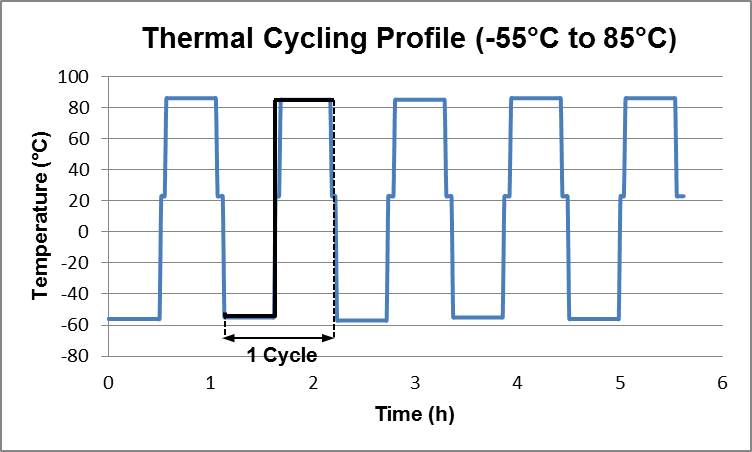
At the core of this process is the principle of acceleration. Instead of exposing a product to normal operating conditions, engineers increase the level of stress applied. Temperature may be raised beyond typical levels, humidity may be sustained at high concentrations, and mechanical or electrical loads may be intensified. These elevated conditions accelerate the same physical and chemical processes that would naturally occur over time, allowing long-term effects to be observed within days or weeks.
Environmental test chambers play a central role in enabling this type of testing. These systems provide precise control over temperature and humidity, creating stable yet adjustable conditions for experimentation. Engineers can subject products to constant stress or introduce cyclic variations that mimic real-world usage patterns. For example, a device may be repeatedly heated and cooled to simulate daily operation, or exposed to high humidity to evaluate its resistance to moisture-related degradation.
To better understand how engineers simulate long-term wear, the process typically involves several key steps:
One of the key advantages of controlled environments is repeatability. Unlike real-world conditions, which are unpredictable and inconsistent, laboratory simulations allow engineers to apply the same conditions multiple times and compare results with accuracy. This consistency is critical for identifying failure mechanisms and validating improvements. When a design change is introduced, it can be tested under identical conditions to determine whether reliability has truly improved.
Another important aspect of simulation is the ability to isolate variables. In the real world, multiple factors often act simultaneously, making it difficult to determine the exact cause of failure. In a controlled environment, engineers can focus on a single variable such as temperature or humidity and study its specific impact. This targeted approach provides deeper insight into how different stress factors contribute to material degradation and product failure.
Despite the controlled nature of these tests, the goal is not to create unrealistic conditions. Effective simulation is based on understanding real-world environments and amplifying them in a meaningful way. Engineers must ensure that the stress applied reflects actual use cases so that the results remain relevant. When done correctly, this balance between control and realism allows laboratory testing to accurately predict field performance.
The insights gained from these simulations are essential for improving product design. Weak points can be identified early, whether they are related to material selection, structural design, or assembly methods. Engineers can then refine the product to better withstand long-term stress, reducing the likelihood of failure after deployment. This iterative process transforms testing into a tool for continuous improvement rather than a final verification step.
From a business perspective, simulating years of wear in a controlled environment offers significant advantages. It reduces the risk of unexpected failures, shortens development timelines, and lowers the cost associated with recalls and repairs. More importantly, it enables companies to deliver products with greater confidence in their long-term performance.
In the end, controlled environmental simulation is about more than accelerating time. It is about gaining insight into how products age, how materials behave under stress, and how failures develop over time. By bringing the future into the laboratory, engineers are able to design products that are not only functional at launch, but reliable throughout their entire lifespan.

 Philippines