The Best ISO Certification Malaysia: A Practical Guide for Business Growth
ISO certification in Malaysia is no longer just about passing audits. For many organisations, it has become a practical framework for improving operations, strengthening credibility, and supporting long-term growth.
Across industries—from manufacturing to technology—companies are adopting ISO standards not only to meet requirements, but to build systems that actually work in daily operations.
Why ISO Certification Matters in Malaysia
In Malaysia’s competitive and export-driven economy, businesses are often expected to meet international standards. ISO certification helps organisations demonstrate consistency, reliability, and structured risk management.
When implemented properly, ISO systems can:
- Improve operational efficiency
- Reduce errors and waste
- Strengthen customer trust
- Support regulatory compliance
- Open doors to international markets
Rather than being treated as a one-time exercise, ISO works best when it becomes part of how a company operates every day.
The Most Valuable ISO Certifications for Malaysian Companies
Not all ISO standards serve the same purpose. The most suitable certification depends on the organisation’s industry, risks, and business objectives.
ISO 9001 – Quality Management System
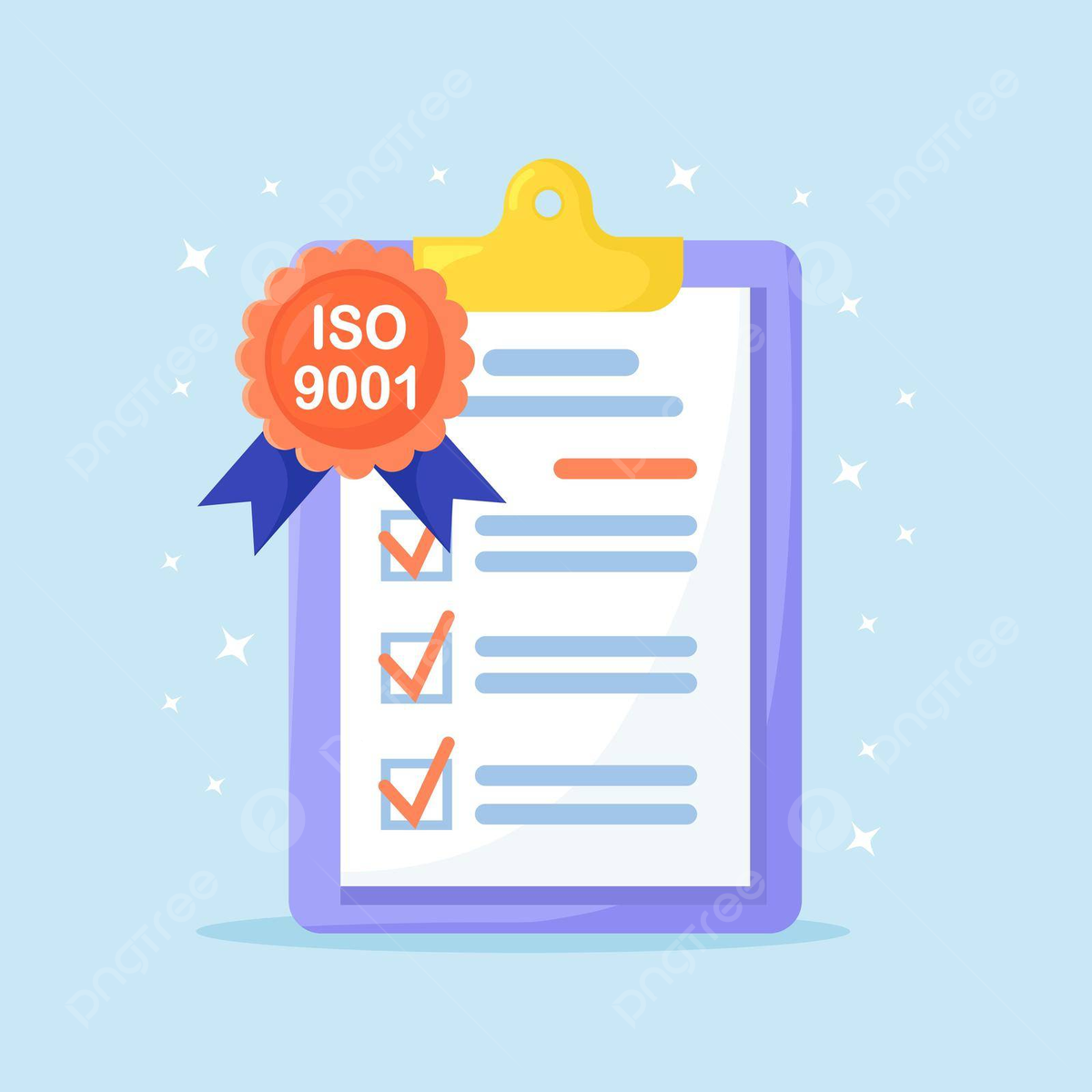
ISO 9001 is widely recognised as the foundation of business improvement. It focuses on consistent processes, customer satisfaction, and continuous improvement.
Many organisations begin their ISO journey by strengthening internal workflows through
👉 https://www.caysscientific.com/iso-9001-quality-management-system, which helps translate quality requirements into practical, everyday processes.
ISO 14001 – Environmental Management System
As sustainability becomes more important, ISO 14001 helps companies manage environmental impact more effectively. It supports better resource use, waste reduction, and regulatory compliance.
This is particularly relevant for manufacturing and industrial sectors where environmental responsibility is increasingly monitored.
ISO 45001 – Occupational Health and Safety
ISO 45001 focuses on protecting employees and reducing workplace risks. It provides a structured way to identify hazards, prevent incidents, and build a stronger safety culture.
For organisations with operational risks, this standard is often essential—not optional.
ISO 27001 – Information Security Management
With the rise of digital systems, data protection has become a key concern. ISO 27001 helps businesses manage information security risks and safeguard sensitive data.
Companies looking to improve cybersecurity practices often turn to
👉 https://www.caysscientific.com/iso-27001-information-security-management-system-isms, which focus on building risk-based, practical security systems aligned with business needs.
ISO 22000 – Food Safety Management System
For food manufacturers, ISO 22000 ensures that food safety is controlled at every stage of the supply chain. It is especially important for businesses aiming to expand into export markets.
To build a system that works beyond audits, many companies rely on
👉 https://www.caysscientific.com/iso-22000-food-safety-management-system, which supports implementation in real production environments.
What Makes an ISO Certification “The Best”?
The value of ISO certification does not come from the certificate itself—but from how the system is applied.
A well-implemented ISO system should be:
- Simple enough for teams to follow daily
- Relevant to actual business operations
- Focused on measurable improvements
- Easy to maintain after certification
In contrast, overly complex systems often become unused documents that only resurface during audits.
For smaller businesses, adopting ISO can feel overwhelming. Resources such as
👉 https://www.caysscientific.com/the-best-iso-certification-malaysia-for-smes, show how implementation can be simplified without losing effectiveness.
Common Challenges Businesses Face
Many companies encounter similar issues when implementing ISO:
- Systems that are too documentation-heavy
- Limited internal knowledge or training
- Difficulty maintaining consistency after certification
- Misalignment between ISO requirements and actual workflows
These challenges often lead to systems that look complete on paper but do not deliver real business value.
The Role of the Right ISO Consultant
The success of ISO implementation often depends on the approach taken. A practical, experienced consultant can make a significant difference by simplifying requirements and aligning them with real operations.
Businesses exploring support options often review
👉https://www.caysscientific.com/the-best-iso-consultant-in-malaysia, which explain what to look for in a reliable partner.
A strong consultant typically focuses on:
- Practical, hands-on implementation
- Industry-specific understanding
- Clear and simple system design
- Long-term usability, not just certification
The Future of ISO Certification in Malaysia
ISO certification in Malaysia is evolving alongside broader business trends. Companies are now integrating ISO with:
- ESG (Environmental, Social, Governance) strategies
- Digital tools and data tracking
- Risk-based decision-making frameworks
This shift reflects a growing understanding that ISO is not just about compliance—it is about building a structured, resilient business.
Conclusion
The best ISO certification in Malaysia is one that delivers real value in daily operations. Whether focusing on quality, safety, environment, or information security, the goal should always be practical improvement—not just certification.
Businesses that approach ISO with this mindset are more likely to see lasting benefits, from better efficiency to stronger market positioning.

Register no. LLP0039518-LGN