

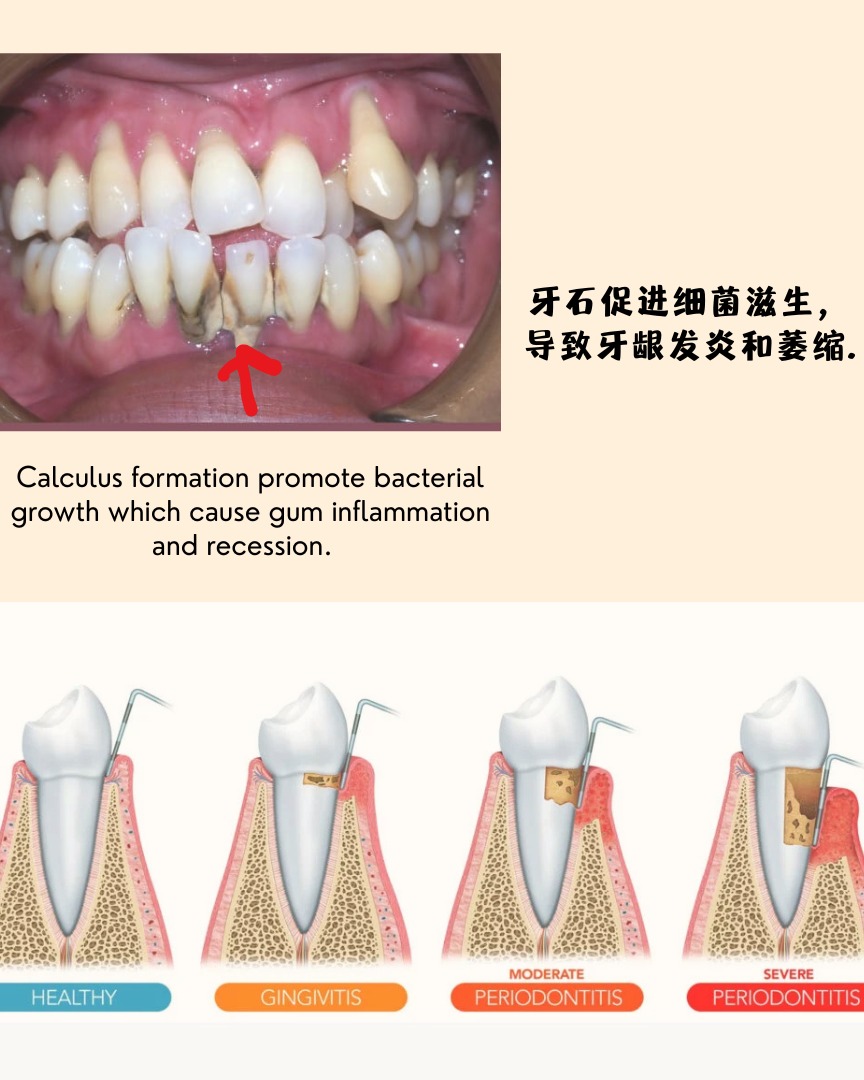
Bottom line: bleeding during scaling is usually not because it was “too rough”
Bleeding doesn’t mean scaling was too forceful
A more common cause is inflamed, fragile gums that bleed easily even with light contact.
It won’t “ruin your teeth”
Professional scaling removes tartar and plaque—it does not scrape off your enamel.
Bleeding is an “inflammation signal”
Long-term plaque and tartar buildup can cause gums to swell, become sensitive, and bleed easily.
After it’s cleaned, gums finally have a chance to recover
Once tartar is removed, bleeding and discomfort usually reduce gradually with good daily cleaning.
Why does scaling hurt or cause bleeding? The reasons are usually very consistent
In Johor Bahru, people looking for a Dental Clinic in JB for scaling often ask: “Will it hurt?” and “Is bleeding abnormal?”
Reason 1: Your gums are already inflamed (most common)
When plaque and tartar collect at the gumline, gums become swollen and sensitive, and they bleed more easily. In that situation, even gentle contact can cause bleeding—especially when tartar needs to be removed.
Reason 2: The longer tartar stays, the more you’ll feel it during removal
If you haven’t scaled in a long time, tartar is usually harder and more stubborn. During cleaning, “sourness,” tingling, or sensitivity may feel more obvious. This is typically a response from tartar and inflamed gums—not that your teeth are being damaged.
Reason 3: Tooth sensitivity or gum recession
If you naturally have sensitivity, gum recession, or exposed roots, you may feel stronger sensitivity to cold water and vibration during scaling. This can often be improved by adjusting technique, adding desensitizing care, or completing it in stages.
Will you feel better after scaling? Many people’s real “turning point” is here
Many patients start because of bad breath, gum bleeding, or that constant “I can’t brush it clean” feeling. The improvements they most commonly report include:
Smoother teeth and a fresher mouth feel.
Less bleeding during brushing (especially once daily cleaning becomes consistent).
Less gum swelling, and breath concerns become easier to improve.
Less resistance to “regular scaling”—more peace of mind instead.
Reminder: Mild sensitivity or slight gum bleeding for 1–3 days can be common. If you have persistent strong pain, worsening swelling, or bleeding that doesn’t stop, it’s best to return for a check-up promptly.
Tips to reduce discomfort and bleeding (small things can make a big difference)
1) Tell the dentist your sensitive spots before scaling
If you’re afraid of pain, very sensitive, or had a bad past experience, telling the dentist/assistant early often helps them adjust the technique and pace.
2) Be gentler for the first 24–48 hours after scaling
Avoid very spicy or very hot foods; brush gently, and use floss/interdental brushes carefully to support gum recovery.
3) Use the right tools: soft bristles + correct angle
A lot of bleeding comes from “brushing harder” but missing the gumline. A soft brush with a gentle 45° angle is often more effective and less irritating.
4) Regular scaling usually makes the next visit easier
With less tartar and healthier gums, the next scaling often feels less sensitive and bleeds less. That’s the real value of regular maintenance.
How often should you scale? (A practical guideline you can follow)
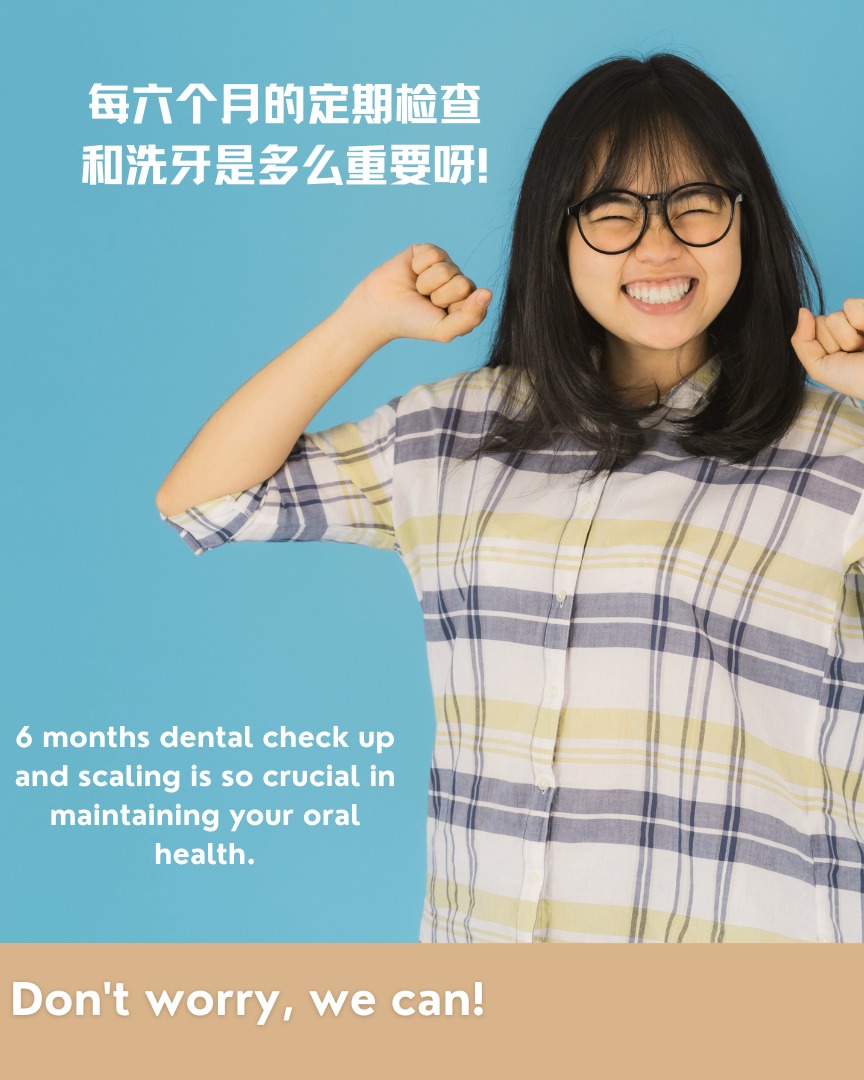
In general, many people use every 6 months as a baseline. But if you build tartar quickly, have frequent gum inflammation, smoke, or drink coffee/tea often, you may need more frequent maintenance (the dentist’s assessment is the most reliable guide).
Every 6 months (common baseline)
Works for most people: supports gum health and reduces tartar buildup.
Every 3–4 months (sometimes needed)
Fast tartar buildup, recurring gingivitis, or when home-care habits are still improving.
Adjust based on gum/periodontal status
If there’s periodontal risk, maintenance usually needs a more personalized plan.
The most important thing isn’t only “how long between visits”—it’s not waiting until gums are swollen, breath is noticeably bad, or brushing causes heavy bleeding. The earlier tartar is removed, the easier it is to return to a healthier baseline.
FAQ: Common questions about scaling pain and bleeding
Conclusion: Don’t wait until it hurts—regular scaling is key to healthier gums
Bleeding during scaling often indicates gum inflammation caused by plaque and tartar buildup. After tartar is removed, gums have a chance to recover—and with time plus good daily cleaning habits, bleeding and discomfort often reduce gradually.
If you’re looking for a Dental Clinic in JB, treating scaling as “routine maintenance” is far easier than “emergency firefighting.” The earlier you start regular scaling, the easier the next visit usually feels.
