
Advantage 1: Micro Indentation, Non-destructive Measurement Advantage 2: Accurate Measurement of Ultra-thin WorkpiecesCore Advantages:
Using the UCI method, the indentation made during testing is extremely small, causing minimal damage to the surface of the workpiece. This method perfectly addresses the measurement challenges of thin-walled parts, high-precision components, or finished parts that are sensitive to surface damage.
Even ultra-thin workpieces can be measured accurately (with a minimum sample weight of less than 300g and thickness under 5mm). The sample can be coupled with a lubricant and firmly supported for testing.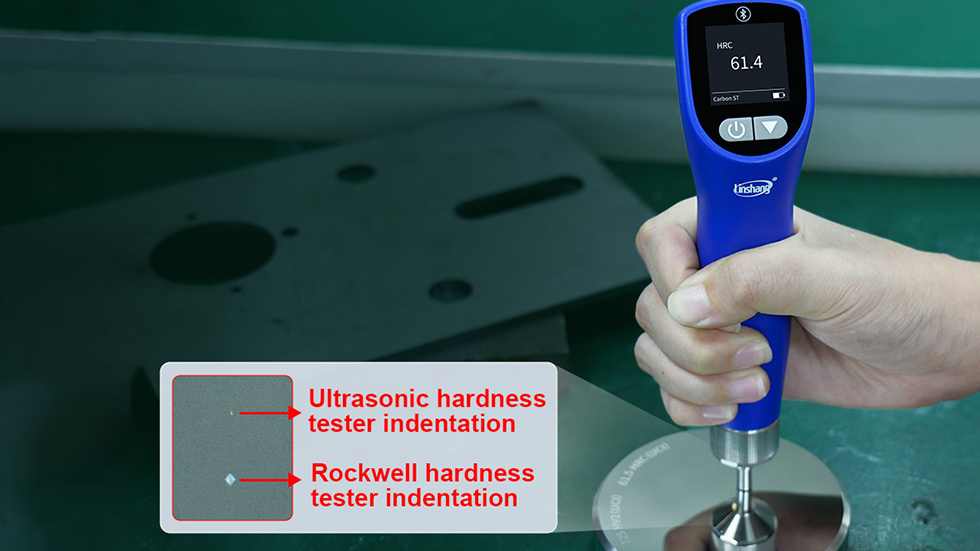
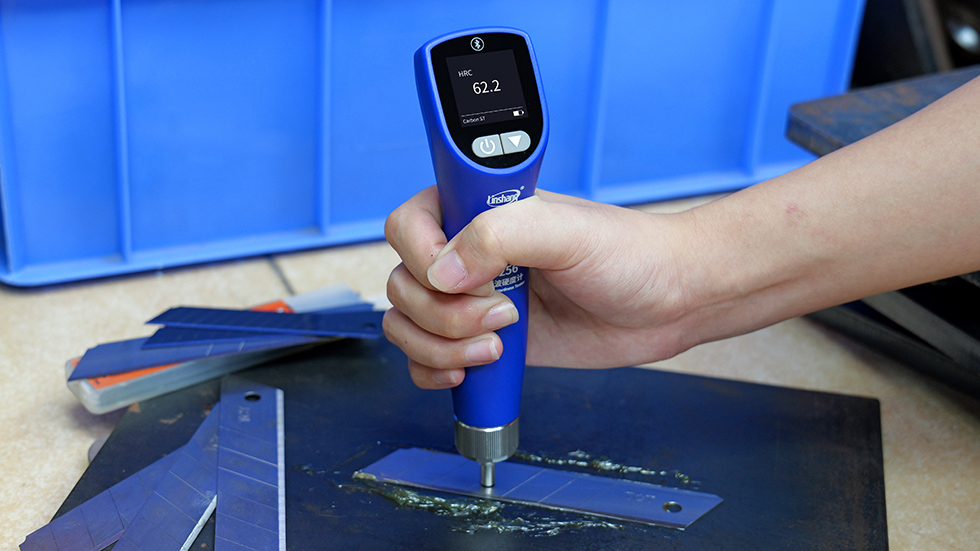
Advantage 3: Compact and Portable, Efficient Measurement
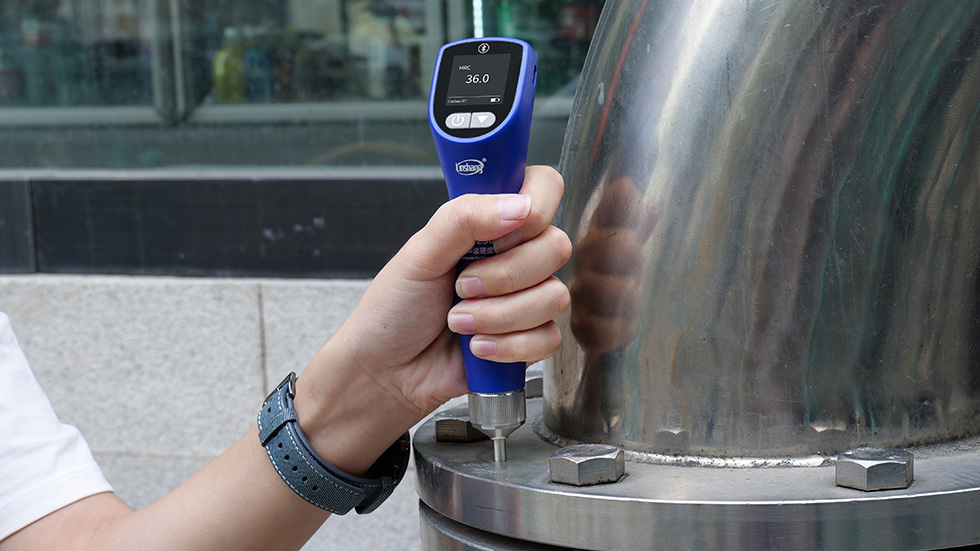
Weighing only 245g, the LS256 is compact and easy to use. It provides immediate test results upon power-up, significantly improving testing efficiency. It is ideal for spot checks on production lines, on-site testing of workpieces, and multi-point testing of large components—allowing for precise measurement anywhere, anytime, free from the constraints of laboratory settings.
Advantage 4: Multiple Metal Materials and Hardness Scales
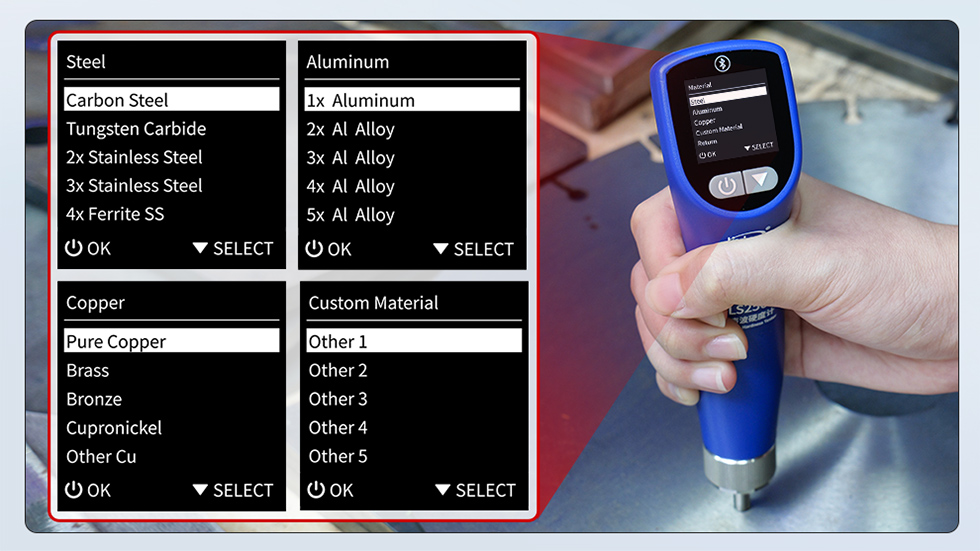
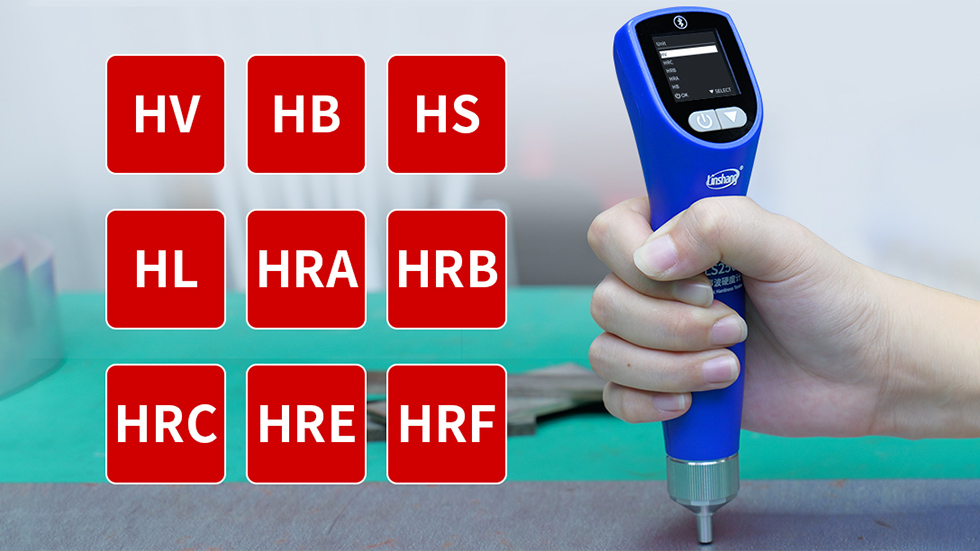
When measuring metals like steel, aluminum, and copper, the LS256 allows for seamless switching between different hardness scales (HV, HRC, HRB, HB, etc.), eliminating the need for manual calculations or reference tables.
Advantage 5: Increased Precision with Optional Manual Pressure Frame
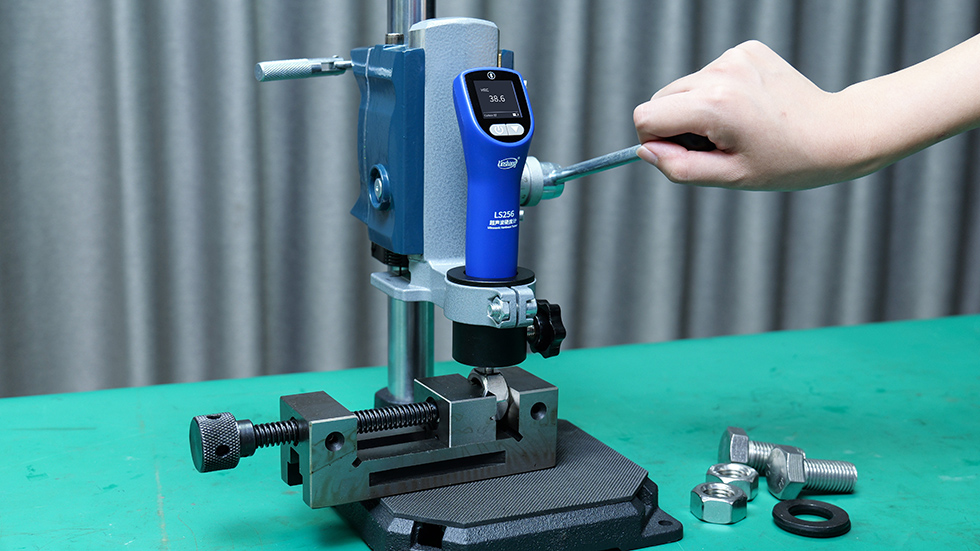
An optional manual pressure frame enhances measurement accuracy and repeatability, especially when testing irregularly shaped or small workpieces.
Advantage 6: Dual Probe Configuration, Wide Application Range
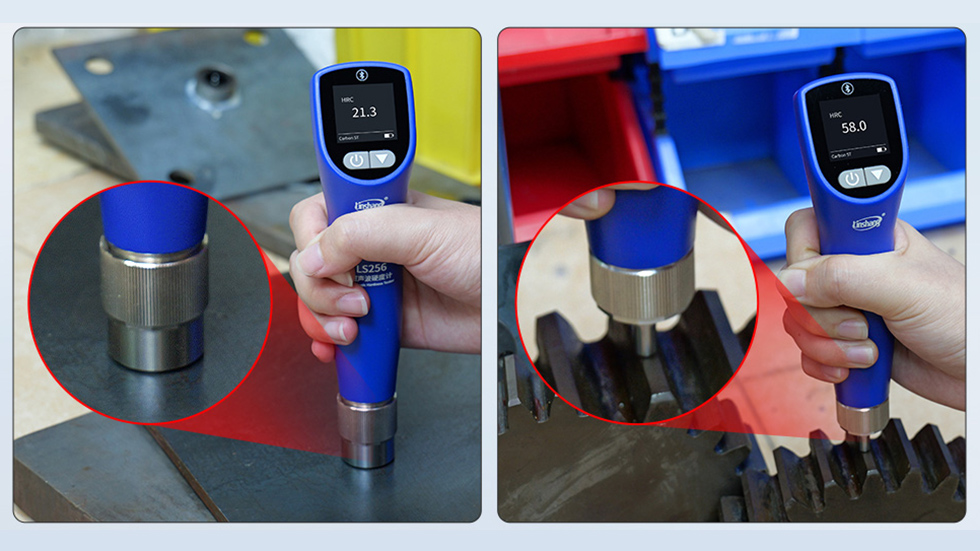
The LS256 ultrasonic hardness tester comes with a dual-probe configuration, making it flexible enough to test a variety of workpieces—whether flat materials, small parts, or complex, irregular shapes.
 Malaysia


