Refrigerant HVAC Compliance Malaysia DOE: Ensuring Safe Handling, Environmental Protection, and Sustainable Cooling Practices
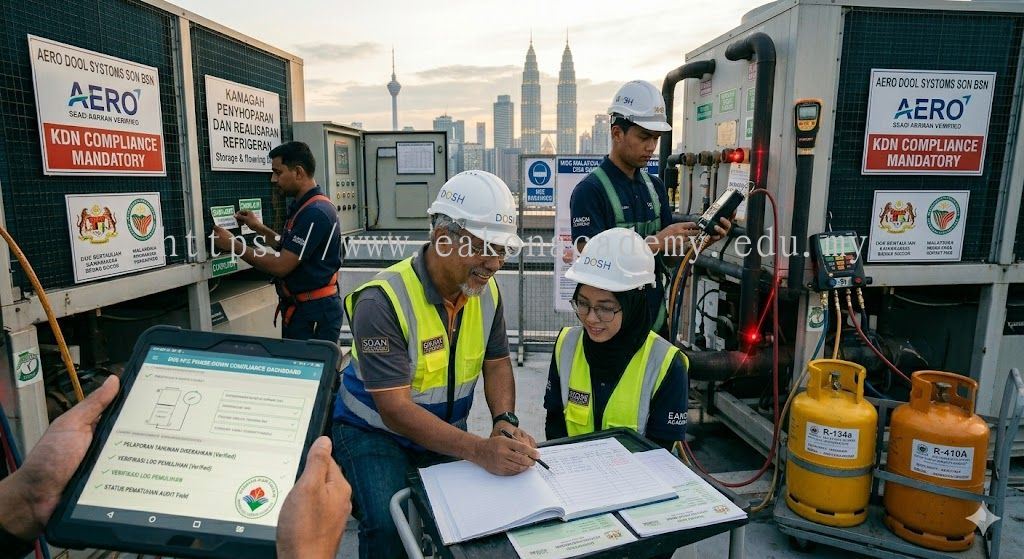
Refrigerant HVAC compliance in Malaysia DOE refers to the regulatory standards, environmental guidelines, and safe handling practices required for managing refrigerants used in heating, ventilation, air conditioning, and refrigeration systems in Malaysia. These compliance requirements are enforced and overseen by the Department of Environment Malaysia, which is responsible for protecting the environment, reducing greenhouse gas emissions, and ensuring responsible refrigerant management across all HVAC-related activities. As Malaysia strengthens its environmental policies and aligns with global climate commitments, refrigerant HVAC compliance Malaysia DOE has become a critical requirement for HVAC technicians, engineers, contractors, facility managers, and building operators.
The main objective of refrigerant HVAC compliance is to minimize the environmental impact caused by refrigerant leakage, improper handling, and unsafe disposal practices. Refrigerants play a vital role in HVAC systems by enabling cooling and temperature control, but many refrigerants have high global warming potential (GWP) or ozone-depleting characteristics if released into the atmosphere. Therefore, compliance regulations emphasize proper refrigerant lifecycle management, including safe installation, charging, leak detection, maintenance, recovery, recycling, and disposal. These procedures ensure that refrigerants are handled responsibly and do not contribute to environmental pollution or climate change.
A key aspect of refrigerant HVAC compliance Malaysia DOE is leak prevention and control. Even small refrigerant leaks can have significant environmental consequences over time, making early detection and proper maintenance essential. HVAC professionals are required to conduct regular system inspections, use leak detection tools, and follow standardized maintenance procedures to ensure system integrity. By preventing refrigerant leakage, organizations can improve system efficiency, reduce operational costs, and minimize environmental impact.
Another important component of compliance is refrigerant recovery and recycling. When HVAC systems are serviced or decommissioned, refrigerants must be properly recovered using approved equipment and procedures. These refrigerants can then be recycled or reclaimed for future use, reducing the need for new refrigerant production and minimizing environmental harm. Compliance standards ensure that refrigerant recovery processes are carried out safely and efficiently, in accordance with DOE environmental guidelines.
Documentation and environmental reporting are also essential elements of refrigerant HVAC compliance Malaysia DOE. Organizations are required to maintain accurate records of refrigerant usage, servicing activities, leak inspections, and recovery operations. This documentation provides transparency and allows regulatory authorities to verify compliance with environmental regulations. Proper record-keeping also helps organizations track system performance, identify inefficiencies, and implement improvements to enhance sustainability and operational efficiency.
Energy efficiency is closely linked to refrigerant compliance in HVAC systems. Proper refrigerant management ensures that systems operate at optimal performance levels, reducing energy consumption and improving cooling efficiency. Efficient systems not only lower electricity costs but also contribute to reduced carbon emissions. Compliance with energy efficiency standards supports Malaysia’s broader environmental goals and promotes sustainable building practices across various sectors.
Workplace safety is another critical aspect of refrigerant HVAC compliance Malaysia DOE. HVAC technicians frequently handle pressurized systems and chemical refrigerants that require strict safety procedures. Compliance standards emphasize proper training, use of personal protective equipment (PPE), risk assessment, and adherence to safe work practices. Ensuring safety protects workers, reduces accidents, and improves overall system reliability and operational continuity.
Technological advancements are playing an increasingly important role in supporting refrigerant compliance. Modern HVAC systems utilize smart monitoring technologies, IoT sensors, and digital management platforms to track refrigerant levels, detect leaks, and optimize system performance in real time. These technologies enhance compliance efficiency and allow facility managers to take proactive actions to prevent environmental risks and system failures.
Continuous training and certification are essential for maintaining refrigerant HVAC compliance Malaysia DOE. HVAC professionals must stay updated on evolving environmental regulations, new refrigerant technologies, and industry best practices. Training programs provide the necessary knowledge and skills to ensure safe, efficient, and compliant HVAC system operation.
At Eakon Academy, HVAC professionals can strengthen their expertise through specialized training programs focused on refrigerant HVAC compliance Malaysia DOE, environmental regulations, refrigerant handling techniques, energy efficiency, and sustainable HVAC practices. These programs are designed to equip technicians, engineers, and facility managers with the practical knowledge required to meet regulatory standards and improve system performance. By investing in professional training and compliance awareness, organizations can enhance operational efficiency, reduce environmental impact, and ensure full adherence to refrigerant HVAC compliance Malaysia DOE, supporting a safer, greener, and more sustainable HVAC industry in Malaysia.
More detail about EAKON ACADEMY SDN BHD Malaysia