A rodent is a mammal belonging to the order Rodentia, accounting for about 40% of all mammal species. Their defining feature is a single pair of continuously growing incisors in both upper and lower jaws, which they use to gnaw, burrow, and defend themselves.
DIVERSITY & MORPHOLOGY
Rodents are found on nearly every landmass. They are highly adaptable and can be arboreal (trees), fossorial (burrows), or semiaquatic.
Key Features: Ever-growing incisors, robust bodies, short limbs, and long tails.
Examples: Mice, rats, squirrels, porcupines, and beavers.
Behavior: Highly social animals with complex communication and gnawing habits.
DAMAGE & HEALTH RISKS
Material & Infrastructural Damage
Rats gnaw on concrete, wood, insulation, and electrical harnesses, leading to:
Power failures & Short circuits
Fire hazards
Structural instability
Strong ammonia odor from urine
Zoonotic Diseases
Rats transmit dangerous pathogens to humans via bites or contaminated food:
Salmonella & E. coli
Weil’s Disease (Leptospirosis)
Tuberculosis & Rabies
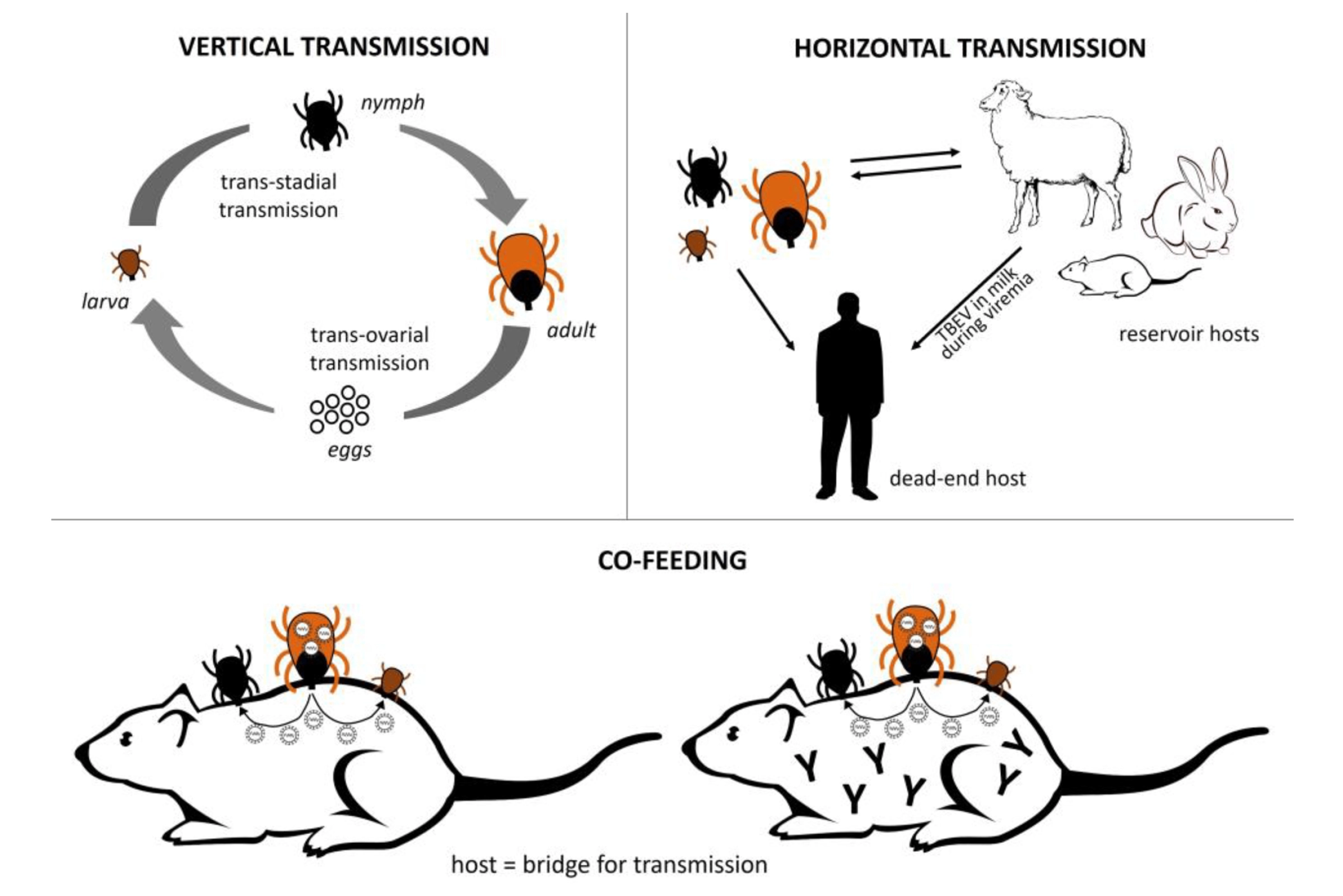
Parasites: Fleas, Mites, and Ticks
COMMON TYPES OF RATS
1. Sewer Rat (Brown Rat): Social animals typically found in underground holes, warehouses, and sewers.
2. Roof Rat (Black Rat): Expert climbers that prefer high, dry places like attics and insulation spaces.
CONCLUSION
While rodents play an ecological role, rats in human environments wreak havoc on property and pose severe health risks. Vigilance and professional pest control are crucial to managing and preventing infestations.
Professional Rat Baiting & Rodent Exclusion Solutions
Smart Synergy Group Sdn BhdPest Control Services Selangor, Termite Control Kuala Lumpur (KL), Malaysia, Disinfection Services Klang, Johor Bahru (JB) ~ Smart Synergy Group Sdn Bhd

 Malaysia

