
Industrial Refrigeration Copper Brazing Inspection Method for Quality Assurance and Leak-Free HVAC Systems
Industrial refrigeration copper brazing inspection method is a critical quality control process used in HVAC and refrigeration systems to ensure that all brazed copper pipe joints are strong, durable, and completely leak-free. In industrial refrigeration systems, where equipment operates under high pressure, continuous load, and extreme temperature variations, proper inspection of brazed joints is essential to guarantee system safety, efficiency, and long-term reliability. A structured inspection method helps detect defects early and ensures compliance with professional HVAC standards.
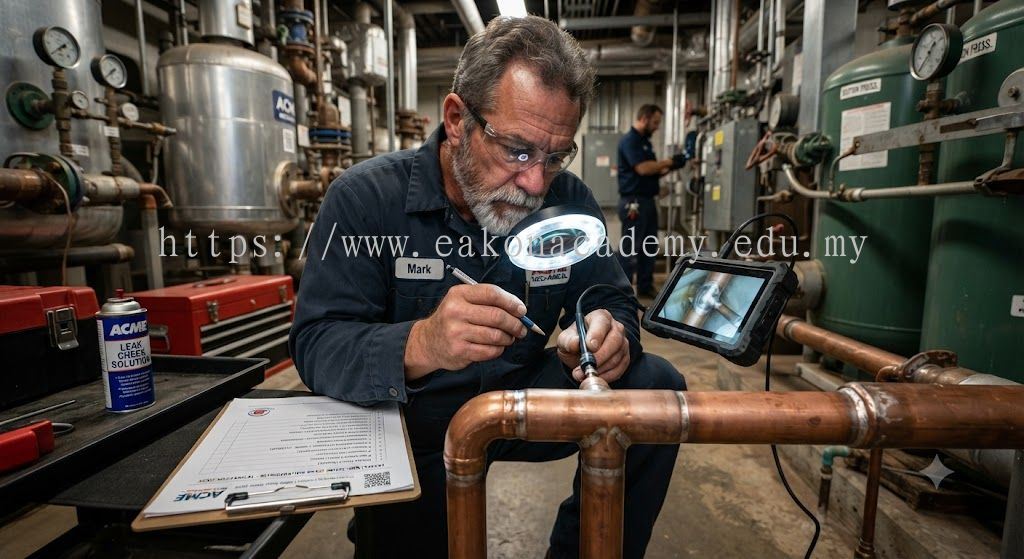
The industrial refrigeration copper brazing inspection method begins with a visual inspection of all brazed joints. Technicians carefully examine each joint to ensure smooth, uniform appearance and proper filler metal flow. A high-quality brazed joint should show consistent bonding around the entire circumference of the pipe without cracks, voids, or irregular surfaces. Any signs of poor penetration, overheating, or uneven filler distribution indicate potential weaknesses that may lead to system failure over time.
Another important step in the inspection method is checking joint alignment and structural integrity. Proper alignment during installation ensures that stress is evenly distributed across the piping system. During inspection, technicians verify that pipes are correctly supported and that no mechanical strain is placed on the brazed joints. In industrial refrigeration systems, vibration and pressure fluctuations can affect poorly aligned joints, making structural evaluation a key part of quality assurance.
A highly important component of the industrial refrigeration copper brazing inspection method is leak detection testing. After brazing, the system must undergo pressure testing using nitrogen or other inert gases. Technicians pressurize the system and monitor it for any drop in pressure over time. Even the smallest leak can compromise system efficiency and lead to refrigerant loss, increased energy consumption, and equipment damage. Leak testing ensures that all brazed joints are fully sealed and capable of withstanding operational pressures.
In addition to pressure testing, soap bubble testing or electronic leak detectors may be used for precise identification of micro-leaks. These advanced inspection techniques help technicians detect even the smallest imperfections that are not visible during visual inspection. Industrial refrigeration systems require a high level of accuracy, making multi-stage leak detection an essential part of the inspection process.
Another key aspect of the inspection method is internal system cleanliness evaluation. Proper nitrogen purging during brazing helps prevent internal oxidation and scale formation. During inspection, technicians ensure that no internal debris or contamination is present that could obstruct refrigerant flow. Clean internal piping is essential for maintaining compressor efficiency, reducing system wear, and ensuring long-term operational stability.
Post-inspection documentation and quality reporting are also important elements of the industrial refrigeration copper brazing inspection method. Technicians must record all inspection results, including pressure test data, leak test outcomes, and visual inspection findings. This documentation ensures traceability, quality assurance, and compliance with industry standards in industrial HVAC projects.
Training institutions such as Eakon Academy emphasize industrial refrigeration copper brazing inspection methods as part of their advanced HVAC training programs. Students are taught how to perform systematic inspections, conduct pressure testing, and identify brazing defects through hands-on practical training. This ensures they are fully prepared to maintain high-quality standards in real industrial environments.
Furthermore, proper inspection methods significantly improve system reliability, reduce maintenance costs, and enhance energy efficiency. Well-inspected brazed joints ensure stable refrigerant flow, reduced leakage risks, and improved cooling performance in industrial refrigeration systems. This leads to longer equipment lifespan and lower operational costs.
In conclusion, the industrial refrigeration copper brazing inspection method is essential for ensuring strong, safe, and efficient HVAC systems. It combines visual inspection, leak testing, structural evaluation, and quality documentation to guarantee professional installation standards. For HVAC technicians, mastering this inspection method is crucial for building a successful career in industrial refrigeration and large-scale cooling system maintenance.
Lebih maklumat tentang EAKON ACADEMY SDN BHD Malaysia
