

Not all threats to product reliability are visible. Unlike mechanical stress or extreme temperatures, humidity operates quietly, often without immediate signs of damage. Yet over time, it becomes one of the most destructive environmental factors, gradually degrading materials, weakening structures, and leading to unexpected failure.
Humidity refers to the presence of moisture in the air, and in many regions, especially tropical climates, it remains consistently high. While a product may appear unaffected in the short term, prolonged exposure to moisture initiates slow and continuous degradation processes. These effects are often unnoticed until performance begins to decline or failure occurs entirely.
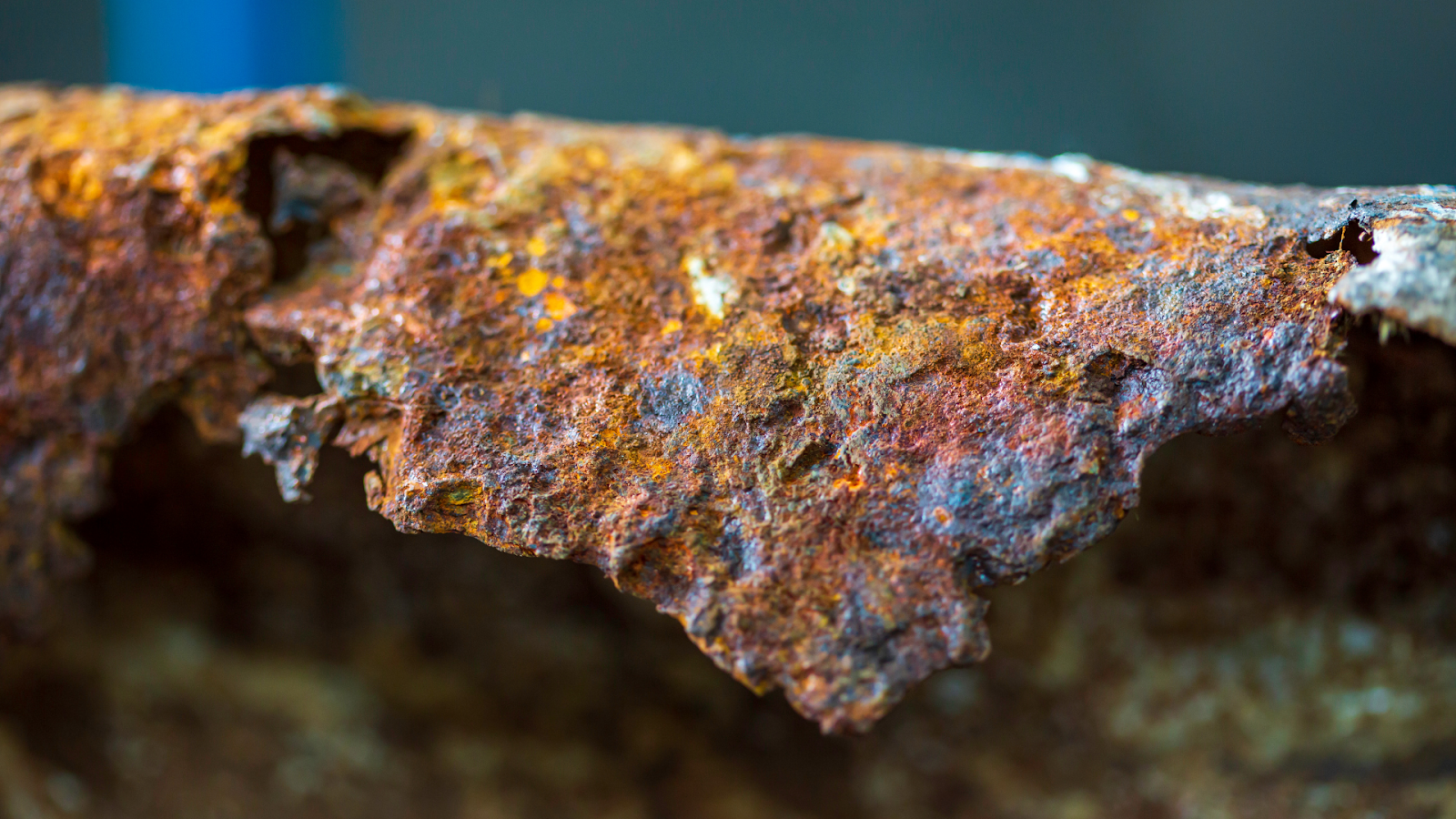
One of the primary ways humidity damages products is through moisture ingress. Water vapor in the air can penetrate enclosures, seals, and microscopic gaps within materials. Once inside, it begins to interact with internal components. In electronic systems, this can lead to corrosion of metal contacts, oxidation of conductive paths, and eventual loss of electrical integrity. What starts as a minor chemical reaction can evolve into complete circuit failure.
Humidity also affects materials at a structural level. Many materials, particularly polymers and certain composites, absorb moisture over time. This absorption can cause swelling, changes in mechanical properties, and reduced strength. Adhesives may weaken, coatings may degrade, and protective barriers may lose their effectiveness. These changes are often gradual, making them difficult to detect during early stages.
Condensation introduces an even more severe form of moisture-related damage. When temperature drops, moisture in the air can condense into liquid water on or within a product. This sudden presence of water significantly accelerates corrosion and increases the risk of short circuits in electronic components. Repeated cycles of condensation and evaporation can further intensify the damage, creating conditions that are far more aggressive than constant humidity alone.
To understand and prevent these issues, engineers rely on humidity testing within controlled environments. Environmental test chambers allow precise regulation of humidity and temperature, enabling products to be exposed to sustained high-moisture conditions. By accelerating the effects of humidity, engineers can observe how materials and components respond over time, identifying weaknesses that would otherwise take months or years to appear.
These tests are not only about identifying failure, but also about understanding how it develops. Engineers can analyze where moisture accumulates, which materials are most vulnerable, and how design choices influence resistance to humidity. This insight allows for improvements in sealing methods, material selection, and overall product design.
In real-world applications, humidity is rarely constant. It often fluctuates alongside temperature, creating complex environmental conditions that further challenge product reliability. Effective testing must account for these variations, ensuring that products are evaluated under realistic scenarios rather than static conditions. This is particularly important in regions where high humidity is a daily reality, making moisture-related degradation a common cause of failure.
From a broader perspective, humidity highlights the importance of considering environmental factors that are not immediately obvious. While products may perform well under controlled or dry conditions, their long-term reliability depends on how well they withstand continuous exposure to moisture. Ignoring this factor can lead to failures that are difficult to predict and costly to resolve.
In the end, humidity is a silent but persistent force. It does not cause immediate damage, but it steadily weakens products over time until failure becomes inevitable. By understanding its effects and simulating its impact during development, engineers can design products that are not only functional, but resilient in the environments they are meant to operate in.
 Japan
Japan
