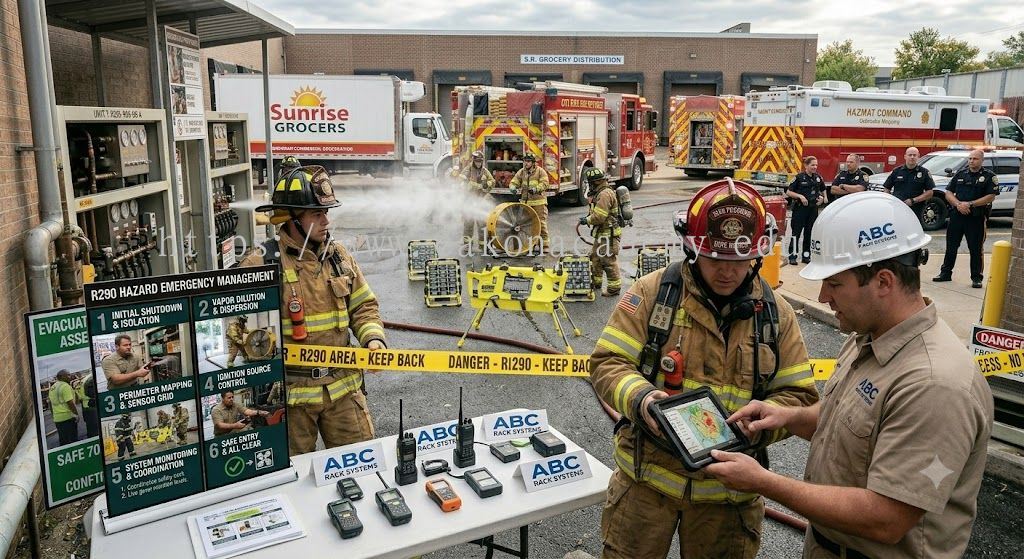
R290 HAZARD EMERGENCY MANAGEMENT – HVAC SAFETY CONTROL SYSTEMS, FLAMMABLE REFRIGERANT RISK RESPONSE, AND INDUSTRIAL EMERGENCY STRATEGY
R290 hazard emergency management is a critical framework in modern HVAC and refrigeration systems that utilize propane (R290) as a low-GWP, energy-efficient refrigerant. As the global HVAC industry shifts toward environmentally sustainable refrigerants, R290 has become a preferred choice due to its excellent thermodynamic efficiency and minimal environmental impact. However, its highly flammable nature introduces significant safety risks, making structured hazard emergency management essential for protecting personnel, equipment, and facilities. Understanding R290 hazard emergency management is vital for HVAC technicians, engineers, and safety professionals working in residential, commercial, and industrial refrigeration environments.
The primary objective of R290 hazard emergency management is to systematically identify, control, and mitigate risks associated with refrigerant leaks, fires, or explosive atmospheres. Because R290 can form flammable air mixtures under certain conditions, even a small leak in a confined space can escalate into a serious hazard. Therefore, effective emergency management begins with comprehensive risk assessment, system monitoring, and the implementation of preventive safety measures such as gas detection systems and proper ventilation design.
A key component of R290 hazard emergency management is early detection and rapid response. Hydrocarbon gas detectors installed in refrigeration areas provide real-time monitoring of refrigerant levels and trigger alarms when leaks are detected. Once a hazard is identified, immediate emergency protocols must be activated, including evacuation of personnel, system shutdown, and elimination of ignition sources. Early intervention is critical to preventing escalation into fire or explosion scenarios.
Another essential aspect of hazard emergency management is evacuation planning and safety coordination. All HVAC facilities using R290 must have clearly defined evacuation routes, emergency exits, and assembly points. When a hazard occurs, emergency alarms must be activated to alert all personnel, ensuring a fast and orderly evacuation. Communication systems such as intercoms and emergency notifications play a key role in guiding occupants safely out of danger zones.
System shutdown and isolation procedures are also fundamental in R290 hazard emergency management. Technicians must immediately activate emergency stop controls to shut down compressors and electrical systems connected to the refrigeration unit. Service valves must be closed to prevent further refrigerant release. Many modern HVAC systems include automated safety shutdown mechanisms that respond instantly to gas detection signals, significantly improving response time and reducing human error.
Ventilation control is another critical element in managing R290 hazards. Once the area is secured and evacuated, mechanical ventilation systems must be activated to disperse accumulated refrigerant gas and reduce its concentration below flammable limits. Proper airflow management helps prevent gas buildup in confined spaces and minimizes the risk of ignition. However, ventilation must be carefully controlled to avoid spreading hazardous gas to other areas.
Personal safety and protective measures are essential in hazard emergency situations. Only trained and authorized personnel should handle R290 incidents. Technicians must use appropriate personal protective equipment (PPE), including anti-static clothing, gloves, safety goggles, and flame-resistant gear when entering controlled zones. In severe cases, coordination with emergency fire response teams is required to ensure safe containment and hazard control.
Training and education are fundamental to ensuring effective R290 hazard emergency management. Institutions such as eakonacadem.edu.my provide specialized HVAC training programs that equip learners with the knowledge and practical skills required to safely manage flammable refrigerants. Through structured coursework, hands-on simulations, and emergency response training, technicians learn how to assess risks, respond to leaks, and manage hazardous situations effectively. Compliance with international standards such as ISO 817 and EN 378 further enhances safety practices and ensures global best practices are followed.
Post-incident procedures are also important in maintaining long-term system safety. After a hazard event, the HVAC system must be thoroughly inspected, repaired, and tested before being returned to service. Proper documentation of the incident helps improve future emergency planning and strengthens safety management systems.
From an SEO perspective, R290 hazard emergency management is a high-value keyword for HVAC training institutions, refrigeration safety platforms, and industrial safety education providers. By publishing detailed and authoritative content on this topic, websites such as eakonacadem.edu.my can improve search engine rankings, attract targeted organic traffic, and strengthen domain authority. This positions the website as a trusted resource for HVAC professionals and learners seeking advanced refrigeration safety knowledge.
In conclusion, R290 hazard emergency management is essential for ensuring safe and controlled operation of HVAC systems using flammable refrigerants. With proper training, structured response procedures, and continuous monitoring, hazards can be effectively minimized. As the HVAC industry continues to adopt sustainable refrigerant technologies, hazard management expertise will remain a critical competency for all professionals in the field.
More detail about EAKON ACADEMY SDN BHD Malaysia