
In today’s fast-paced lifestyle, body discomfort has become a common complaint. Whether it’s back pain from poor posture or prolonged hours at a desk, or neck aches caused by excessive use of mobile devices, the root causes often remain overlooked.
From a Traditional Chinese Medicine (TCM) perspective, body aches are commonly attributed to the obstruction or blockage of qi (vital energy) and blood flow within the body. These blockages may stem from internal factors such as stress and anxiety or external factors like cold weather or physical trauma.
Fortunately, TCM offers natural and holistic methods to alleviate body aches by restoring the smooth flow of qi and blood. Below are some effective TCM treatments to consider:
.jpg)
While over-the-counter medications like paracetamol provide quick relief, frequent reliance on painkillers can lead to side effects. TCM herbal remedies offer a healthier alternative, promoting the circulation of qi and blood, reducing swelling and inflammation, and supporting tissue recovery. For individuals deficient in qi and blood, herbal remedies also help nourish the body.
.jpg)
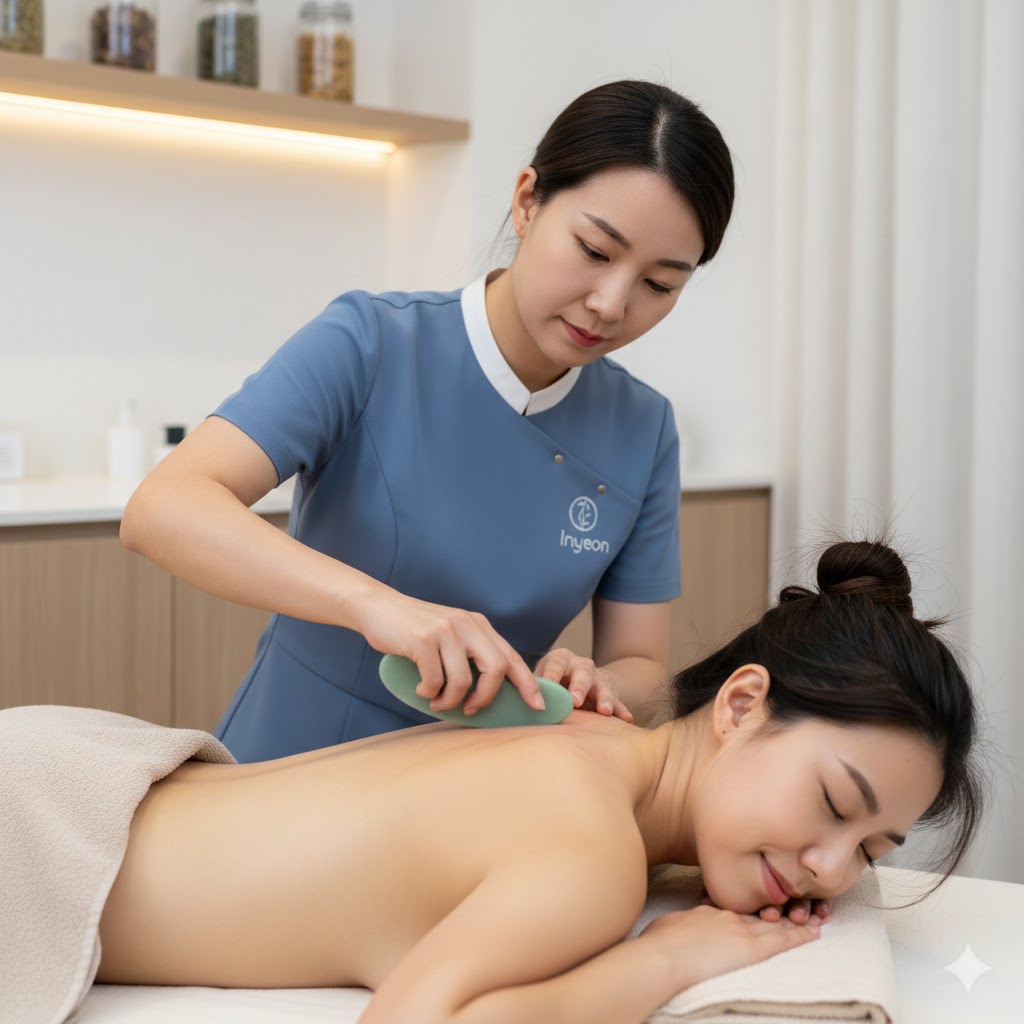
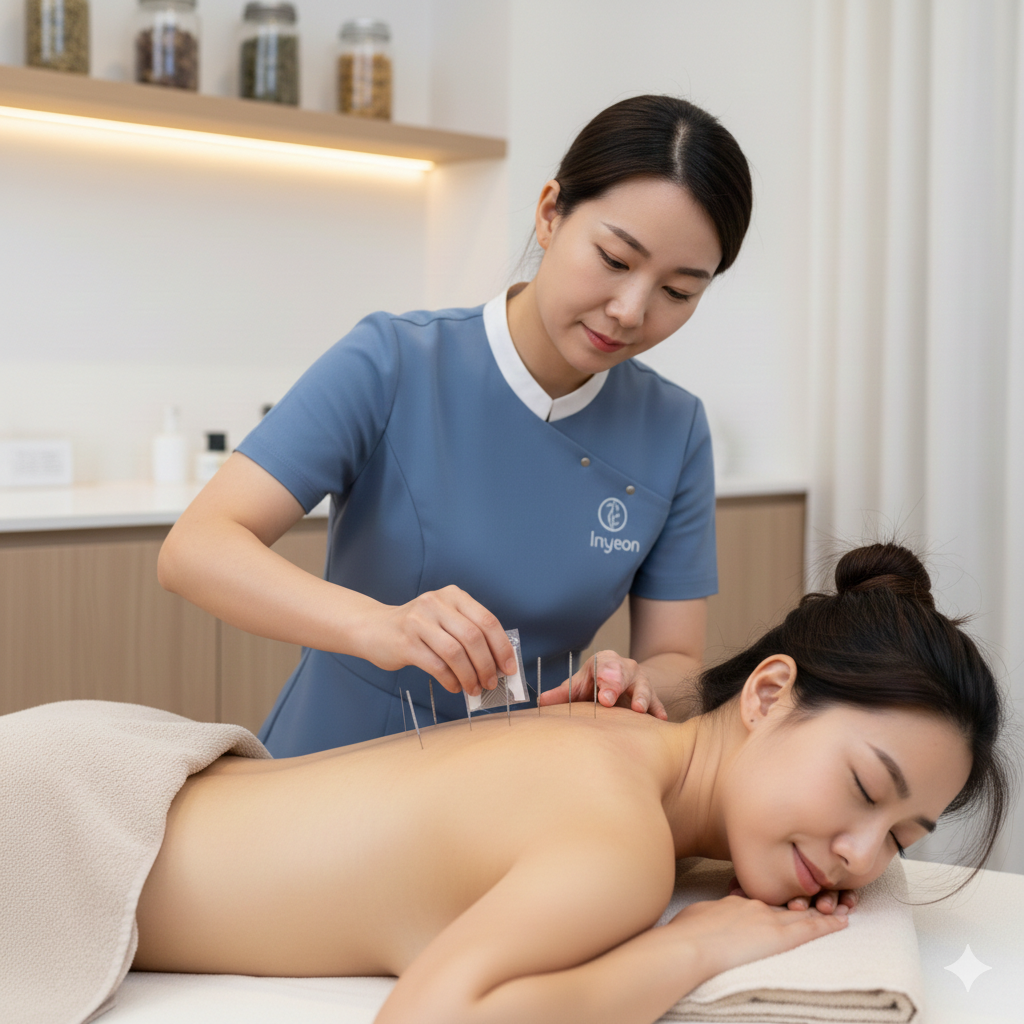
The most effective TCM treatments for body aches include acupuncture, cupping, Gua Sha, and Bojin therapy. These methods focus on clearing meridian blockages and improving blood circulation to the affected areas. In Singapore, many individuals combine these therapies with herbal medicine to address internal imbalances that may be contributing to external physical pain or stiffness.
Bojin therapy is a deep-tissue treatment that uses specialized tools to reach deeper muscle layers and tendons to break down knots. While Gua Sha focuses on the superficial skin layer to release toxins and heat (creating "sha" marks), Bojin works on the structural level to realign tendons.Many wellness centers in the Somerset and Bugis areas offer Bojin for its targeted relief without the intense bruising often associated with Gua Sha.
Acupuncture relieves chronic pain by stimulating specific points on the body to trigger the release of endorphins, the body's natural painkillers. By inserting thin needles into meridian points, a TCM physician can help regulate the nervous system and reduce inflammation. It is a highly sought-after treatment in Singapore for office workers suffering from "tech neck" and lower back strain.
Cupping therapy is generally suitable for most adults experiencing muscle soreness, but it is not recommended for those with skin infections, high fever, or bleeding disorders. It involves creating a vacuum on the skin to draw out "dampness" and stagnant blood. If you are pregnant or have a chronic heart condition, you should consult a certified TCM practitioner in Singapore before undergoing treatment.
Gua Sha benefits shoulder stiffness by scraping the skin to promote microcirculation and myofascial release. This technique helps to "clear the heat" and reduce localized inflammation. It is particularly effective for those in Singapore who spend long hours at desks, as it provides immediate relief from the tension built up in the trapezius muscles and upper back.
Yes, TCM herbal medicine can reduce inflammation by addressing "damp-heat" or "blood stasis" within the body. Practitioners in Singapore often prescribe herbs like turmeric, ginger, or specific TCM formulas tailored to an individual’s constitution. These herbs work internally to complement external treatments like acupuncture or massage, leading to more sustainable pain management and improved energy levels.
During a Bojin session, a therapist uses a pointed tool to manipulate deep tissues and tendons along the meridian lines. You may feel a slight "sore-aching" sensation as the tool breaks down knots or adhesions. Unlike a standard massage, Bojin is more precise and functional, focusing on restoring mobility and relieving deep-seated tension in areas like the lower back or hips.
For acute body aches, 1 to 2 sessions per week may be recommended initially. For chronic conditions or general wellness maintenance, a bi-weekly or monthly visit to a clinic in Bugis or Somerset is usually sufficient. Consistency is key in TCM, as the cumulative effects of treatments like acupuncture and Bojin help the body maintain its natural balance and prevent pain from recurring.
The side effects of TCM treatments are generally mild and temporary. Cupping and Gua Sha often leave red or purple marks on the skin that fade within 3 to 7 days. Some people may experience slight fatigue or localized soreness after a deep Bojin session. These are considered normal signs that the body is detoxifying and increasing blood flow to the treated areas.
You can find professional treatments at Inyeon TCM Wellness, with convenient outlets located in both Somerset and Bugis. They specialise in targeted Bojin massage, Gua Sha, and holistic therapies designed to relieve body aches and improve circulation. Their central locations make it easy for residents and office workers in Singapore to access traditional healing in a modern, comfortable environment.

 Singapore


