HVAC Fault Diagnosis Training for Professional Troubleshooting Skills and Advanced System Analysis
HVAC fault diagnosis training is a specialized program designed to develop the technical knowledge and practical skills required to identify, analyze, and resolve problems affecting heating, ventilation, and air conditioning systems. As HVAC systems become more advanced with complex electrical controls, automation features, and energy-efficient technologies, professional fault diagnosis skills are increasingly important for technicians working in residential, commercial, and industrial environments. Eakon Academy, available at eakonacadem.edu.my, provides professional HVAC training programs that focus on practical troubleshooting techniques, system analysis, and industry-relevant skills to prepare participants for successful careers in the HVAC industry.
A professional HVAC fault diagnosis training program helps participants understand how to identify the causes of HVAC system failures and apply effective repair solutions. Modern HVAC systems consist of multiple interconnected components, including compressors, evaporators, condensers, expansion devices, fans, motors, electrical controls, sensors, and refrigerant circuits. When one component experiences a fault, it can affect the overall system performance. Proper fault diagnosis knowledge allows technicians to evaluate system conditions accurately and restore equipment operation efficiently.
One of the key areas covered in HVAC fault diagnosis training is understanding common HVAC problems and their symptoms. Participants learn how to identify issues such as insufficient cooling, abnormal system pressure, refrigerant leakage, poor airflow, electrical failures, compressor problems, unusual noise, and control system errors. By understanding these symptoms, technicians can perform systematic inspections and determine the actual causes of equipment problems instead of relying on guesswork.
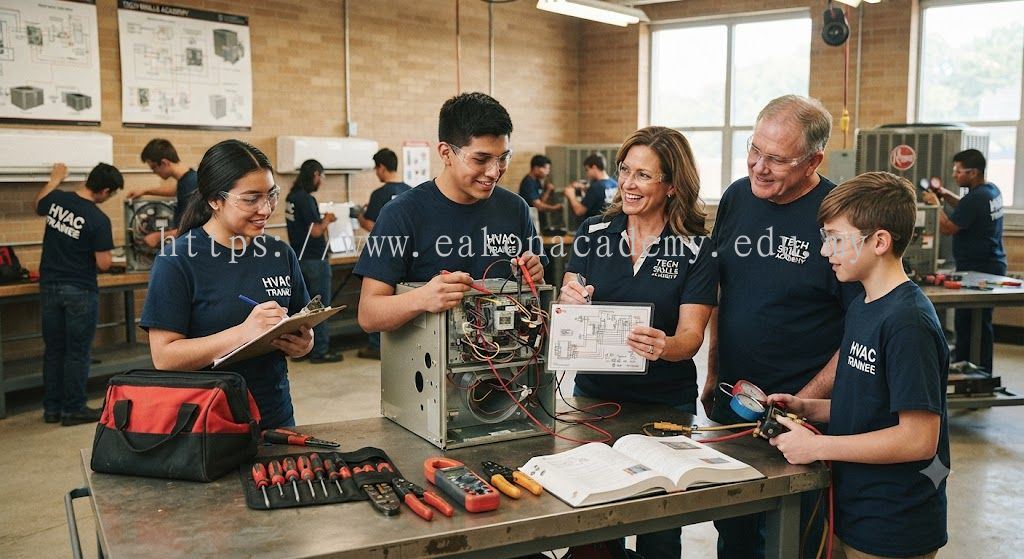
Practical troubleshooting methods are an important part of HVAC fault diagnosis training. Participants learn how to use professional testing tools, analyze operating measurements, inspect system components, and interpret technical information. These skills help technicians develop a structured approach to diagnosing HVAC problems. Accurate fault diagnosis reduces repair time, prevents unnecessary component replacement, and improves the quality of maintenance services provided to customers.
Refrigerant system diagnosis is another important topic included in professional HVAC troubleshooting training. Incorrect refrigerant levels, leaks, improper charging, or abnormal pressure conditions can significantly affect cooling performance. Participants learn how to perform refrigerant pressure checks, identify possible leakage points, evaluate system performance, and apply appropriate corrective actions. Proper refrigerant diagnosis helps maintain system efficiency and protect important components such as compressors.
Electrical fault diagnosis is also a major focus of HVAC fault diagnosis training. Modern HVAC equipment relies heavily on electrical and electronic systems, including capacitors, contactors, control boards, sensors, inverters, and automation controls. Participants learn how to inspect electrical circuits, perform testing procedures, identify faulty components, and apply safe troubleshooting methods. Strong electrical diagnostic skills enable technicians to resolve complex HVAC issues more effectively.
HVAC fault diagnosis training also emphasizes preventive troubleshooting and system performance evaluation. Technicians learn how to identify early warning signs that may lead to future equipment failures. By conducting regular inspections and analyzing system performance data, technicians can recommend preventive actions to improve reliability and reduce maintenance costs. These skills are valuable for HVAC service companies, building management teams, and facility maintenance professionals.
Safety procedures are an essential part of professional fault diagnosis training. HVAC technicians must understand safe working practices when dealing with electrical systems, mechanical components, and refrigerants. Participants learn proper tool usage, electrical safety methods, refrigerant handling procedures, and professional maintenance practices to ensure safe and efficient troubleshooting activities.
With increasing demand for skilled HVAC specialists, completing HVAC fault diagnosis training provides valuable career opportunities. Technicians with strong troubleshooting abilities can pursue roles such as HVAC service technician, maintenance engineer, system specialist, and building facility technician. Advanced diagnostic skills allow professionals to handle complex HVAC challenges and provide higher-quality technical services.
Eakon Academy offers industry-focused HVAC training programs that combine technical knowledge with hands-on practical learning. Participants gain experience in HVAC troubleshooting methods, fault identification techniques, system testing procedures, and professional repair practices. The training approach helps learners develop confidence and improve their ability to manage real-world HVAC problems.
Investing in HVAC fault diagnosis training is a valuable step for individuals seeking to enhance their technical expertise and career development. Professional troubleshooting skills enable technicians to improve repair accuracy, reduce system downtime, increase equipment reliability, and deliver efficient HVAC solutions. With proper training and practical experience, HVAC professionals can contribute to safer, more reliable, and high-performance HVAC operations for the future.
更多 EAKON ACADEMY SDN BHD 相关资料 Malaysia