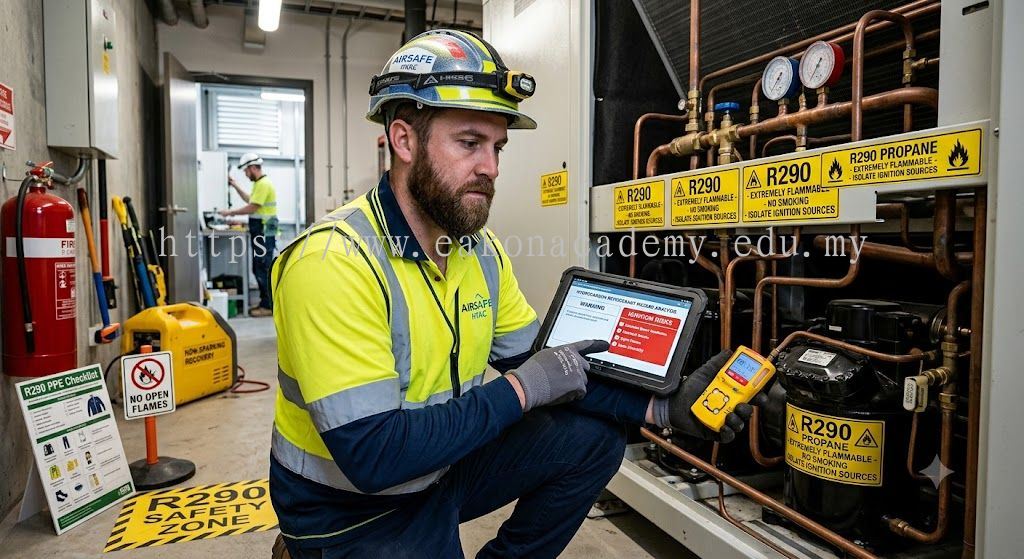
R290 HVAC System Hazard Analysis – Comprehensive Safety Evaluation for Hydrocarbon Refrigerant Applications
R290 HVAC system hazard analysis is an essential safety evaluation process used to identify, assess, and control potential risks associated with propane-based hydrocarbon refrigerant systems. As the HVAC industry continues to move toward environmentally friendly refrigerant solutions, R290 has become an increasingly important alternative due to its low Global Warming Potential (GWP), zero Ozone Depletion Potential (ODP), and excellent energy efficiency performance. However, because R290 is classified as an A3 flammable refrigerant, proper hazard analysis and risk management procedures are necessary to ensure safe system design, installation, operation, maintenance, and servicing. Eakon Academy provides professional HVAC technical education to enhance industry competency and improve awareness of safe refrigerant handling practices.
A detailed R290 HVAC system hazard analysis helps technicians, engineers, contractors, and facility managers understand the potential dangers associated with hydrocarbon refrigerant applications. The main purpose of hazard analysis is to identify possible sources of risk, evaluate their impact, and establish effective safety controls before accidents occur. Important factors considered during the analysis include refrigerant flammability, leakage possibility, ignition sources, ventilation conditions, system design, electrical components, and working environment conditions.
One of the major areas covered in R290 HVAC system hazard analysis is refrigerant leakage risk assessment. Since propane refrigerant is highly flammable, accidental leakage can create a potentially hazardous environment if the refrigerant concentration reaches a flammable level and comes into contact with an ignition source. Proper analysis involves evaluating possible leakage points, checking piping connections, inspecting components, and ensuring appropriate ventilation systems are available. These preventive measures help minimise the risk of fire incidents and improve overall system safety.
Another important aspect of R290 HVAC hazard analysis is identifying ignition sources within the operating environment. Electrical equipment, switches, motors, sparks, open flames, and hot surfaces can become potential ignition points when flammable refrigerant is present. A professional hazard analysis evaluates these risks and recommends suitable control measures, including proper component selection, safe installation practices, regular inspection procedures, and effective maintenance planning.
R290 HVAC system hazard analysis also plays an important role in safe installation and servicing procedures. Technicians must understand the correct methods for refrigerant charging, leak detection, recovery, and system repair. Using appropriate tools, following safe work procedures, and maintaining proper ventilation are critical requirements when handling propane refrigerant systems. Proper hazard analysis ensures that HVAC professionals can perform their duties while reducing exposure to unnecessary safety risks.
Technician competency is another key factor in successful R290 system hazard management. Working with flammable refrigerants requires specialised knowledge of refrigerant properties, safety regulations, emergency response procedures, and risk control methods. Professional training helps technicians develop the ability to identify hazards, implement preventive actions, and respond effectively to unexpected situations. Skilled technicians contribute to safer HVAC operations and improve confidence in the application of low-GWP refrigerant technologies.
Emergency preparedness should also be included within R290 HVAC system hazard analysis. A complete assessment should consider possible scenarios such as refrigerant leakage, accidental release, equipment malfunction, or fire hazards. Establishing clear emergency procedures allows technicians and organisations to respond quickly, protect personnel, and minimise potential damage. Regular safety reviews and continuous improvement of procedures are important for maintaining effective risk management.
As sustainability becomes a major focus in the HVAC industry, R290 technology continues to gain attention as a high-efficiency and environmentally responsible refrigerant solution. However, safe implementation requires strong understanding of hazard identification, risk assessment, and professional handling procedures. R290 HVAC system hazard analysis provides the foundation for achieving reliable system performance while maintaining safety standards.
Eakon Academy supports HVAC professionals by providing technical knowledge and industry-focused learning related to refrigerant safety, sustainable HVAC systems, and advanced servicing practices. By understanding R290 HVAC system hazard analysis, technicians and businesses can improve safety performance, reduce operational risks, and support the responsible adoption of environmentally friendly refrigeration technologies. Proper hazard analysis is a valuable step toward building a safer, more efficient, and sustainable future for the HVAC industry.
更多 EAKON ACADEMY SDN BHD 相关资料 Malaysia