
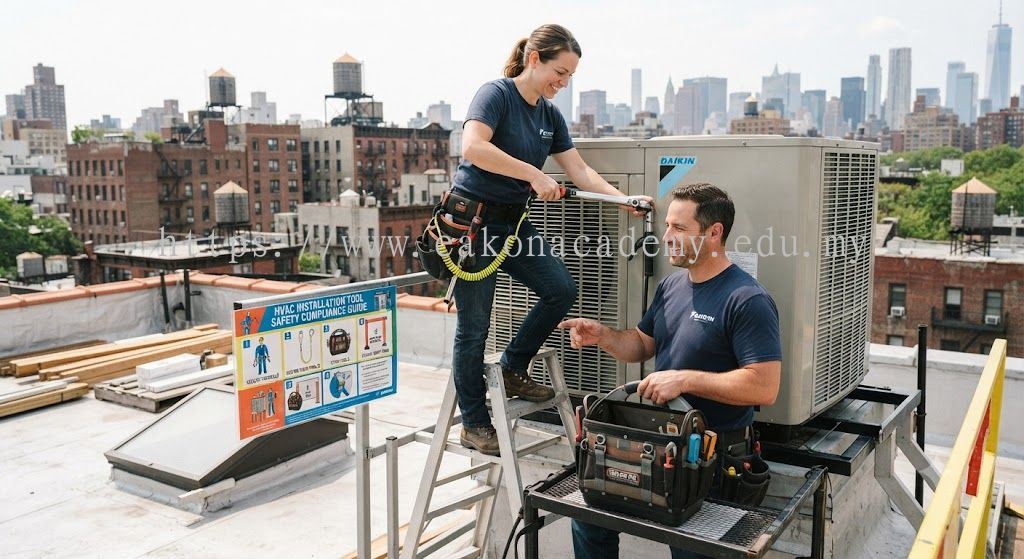
HVAC Installation Tool Safety Compliance Guide: Essential Standards for Safe and Professional Air Conditioning Work
HVAC installation tool safety compliance guide is an important reference for air conditioning technicians, contractors, and maintenance professionals who want to ensure safe, efficient, and compliant HVAC operations. The installation of air conditioning systems requires the use of various specialized tools, including power drills, impact drivers, screwdrivers, pipe cutters, flaring tools, torque wrenches, vacuum pumps, manifold gauges, multimeters, leak detectors, and refrigerant handling equipment. Without proper safety procedures and compliance practices, these tools can create serious workplace hazards such as electrical accidents, cuts, burns, equipment damage, incorrect installation, and injuries to technicians. Following a comprehensive HVAC installation tool safety compliance guide helps professionals identify risks, apply effective control measures, and maintain high standards of workplace safety. At Eakon Academy (eakonacadem.edu.my), we provide professional HVAC training programs designed to strengthen technician competency in safe tool handling, installation procedures, hazard management, and industry safety requirements.
Safety compliance begins with understanding the correct use of HVAC installation tools and equipment. Every tool used during air conditioning installation should be operated according to manufacturer recommendations and industry best practices. Using tools beyond their intended purpose can increase the possibility of accidents and reduce installation quality. For example, improper use of drilling equipment may affect mounting stability, incorrect torque application may damage refrigerant piping connections, and poor handling of electrical testing equipment may create electrical hazards. Professional HVAC technicians must understand tool functions, limitations, and correct operating procedures to ensure safe and reliable installation results.
A key component of HVAC installation tool safety compliance is conducting regular tool inspections before starting work. Technicians should inspect all hand tools, power tools, and specialized HVAC equipment to confirm they are in safe working condition. Electrical tools should be checked for damaged cables, insulation problems, battery defects, and malfunctioning switches. Hand tools should be inspected for worn surfaces, loose handles, cracks, and corrosion. Refrigeration service tools such as pressure gauges, hoses, recovery machines, and vacuum pumps should be maintained and calibrated regularly to ensure accuracy and safety. Proper inspection procedures reduce the risk of tool failure and prevent avoidable workplace incidents.
Electrical safety compliance is another critical area in HVAC installation tool management. Air conditioning installation involves working with electrical components such as compressors, fan motors, control boards, circuit breakers, isolators, and wiring systems. Technicians should use properly rated electrical testing instruments, insulated hand tools, and follow safe isolation procedures before performing electrical work. Compliance with electrical safety practices protects technicians from electric shock while preventing damage to air conditioning equipment. Proper training ensures technicians understand electrical risks and apply safe procedures during every installation project.
Safe storage and organization of tools are also important parts of an effective HVAC installation tool safety compliance guide. Poor tool management can result in lost equipment, workplace clutter, trip hazards, and dropped objects. HVAC technicians should store tools in suitable toolboxes, service bags, tool belts, and storage systems to maintain control throughout the installation process. When working at height, tools should be secured using tethering systems, safety lanyards, and appropriate holders to prevent falling objects. Organized tools improve productivity while creating a safer working environment.
Working at height requires additional compliance measures for HVAC installation activities. Many air conditioning systems are installed in elevated locations such as rooftops, commercial buildings, ceiling spaces, and external walls. Technicians must follow proper working at height procedures, including the use of certified ladders, scaffolding, elevated work platforms, and fall protection equipment when required. Tools should be secured properly to prevent injuries to workers below. Combining safe access methods with effective tool control significantly reduces workplace risks.
Personal protective equipment (PPE) is an essential requirement within HVAC tool safety compliance. Technicians should wear appropriate PPE, including safety helmets, protective gloves, safety glasses, safety footwear, and suitable work clothing. PPE provides protection against common HVAC hazards such as sharp metal edges, electrical contact, flying particles, refrigerant exposure, and hot surfaces during brazing activities. Regular inspection and proper use of PPE ensure technicians receive maximum protection during installation work.
Refrigerant handling tools also require strict safety compliance during HVAC installation. Technicians must properly operate refrigerant gauges, charging scales, recovery equipment, vacuum pumps, and leak detection devices to prevent refrigerant leaks and environmental risks. Correct handling procedures improve system performance, protect technicians from exposure hazards, and support compliance with environmental requirements. Proper training in refrigeration tools ensures technicians can perform installation and commissioning tasks safely and accurately.
Continuous training and professional development are essential for maintaining HVAC installation tool safety compliance. The HVAC industry continues to evolve with advanced technologies, new refrigerants, energy-efficient systems, and improved installation methods. Regular safety training helps technicians remain updated on current procedures, equipment standards, and workplace requirements. Practical training allows technicians to develop confidence in using tools correctly while improving their ability to identify and control hazards.
At Eakon Academy (eakonacadem.edu.my), we are committed to producing skilled HVAC professionals through comprehensive, practical, and industry-focused training programs. Our courses emphasize safe installation practices, professional tool handling, workplace hazard prevention, electrical safety, refrigerant management, working at height procedures, and compliance with HVAC industry standards. By following an effective HVAC installation tool safety compliance guide, technicians can reduce workplace accidents, improve installation quality, protect valuable equipment, and deliver reliable air conditioning services. Strong safety compliance is the foundation of professional HVAC operations and plays an important role in building a safer, more efficient, and successful air conditioning and refrigeration industry.
Lihat detail lebih lanjut tentang EAKON ACADEMY SDN BHD Malaysia
