HVAC Maintenance Schedule Best Practices for Efficient System Performance, Preventive Care, and Professional HVAC Management
HVAC maintenance schedule best practices are essential for maintaining reliable, efficient, and long-lasting heating, ventilation, and air conditioning systems. A proper maintenance schedule helps technicians perform regular inspections, cleaning, testing, and servicing activities at the correct intervals to prevent unexpected failures and maintain optimal system performance. At Eakon Academy, we provide professional HVAC training programs that focus on preventive maintenance planning, servicing procedures, troubleshooting techniques, and industry-standard practices to develop skilled HVAC technicians.
A well-organized HVAC maintenance schedule allows building owners, facility managers, and technicians to manage HVAC systems more effectively. Whether maintaining residential air conditioning units, commercial HVAC systems, VRF systems, or industrial cooling equipment, regular maintenance planning ensures that critical components receive proper attention before problems occur. By following HVAC maintenance schedule best practices, organizations can reduce downtime, control repair costs, improve energy efficiency, and extend the operational lifespan of HVAC equipment.
One of the most important HVAC maintenance schedule practices is determining the correct maintenance frequency based on equipment type, operating conditions, and usage requirements. Different HVAC systems require different servicing intervals depending on their capacity, application, and working environment. For example, commercial and industrial HVAC systems operating continuously may require more frequent inspections compared to residential systems. Proper maintenance planning ensures that essential tasks such as filter replacement, coil cleaning, refrigerant inspection, and electrical testing are completed at suitable intervals.
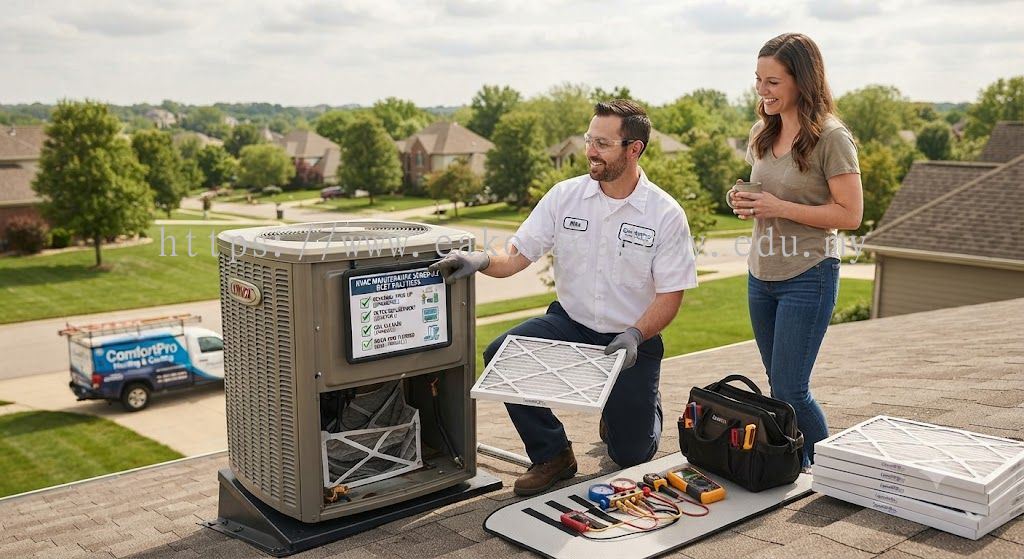
Regular air filter inspection should be included in every HVAC maintenance schedule. Dirty or blocked filters can restrict airflow, reduce system efficiency, increase electricity consumption, and affect indoor air quality. Scheduled filter cleaning and replacement help maintain proper airflow and reduce unnecessary stress on HVAC components. Professional HVAC technicians must understand how to create effective maintenance schedules that support efficient system operation.
Cleaning and inspection of HVAC components are also important parts of a proper maintenance schedule. Technicians should regularly check evaporator coils, condenser coils, blower fans, drainage systems, and ventilation components to ensure they remain clean and functional. Dust and debris accumulation can reduce heat transfer efficiency and decrease cooling performance. Following a structured maintenance schedule allows technicians to maintain equipment efficiency and prevent costly system failures.
Refrigerant system checks should also be included in HVAC maintenance planning. Technicians need to inspect refrigerant lines, measure system pressures, identify possible leaks, and ensure correct refrigerant levels. Poor refrigerant conditions can reduce cooling capacity, increase energy usage, and damage compressors. Regular refrigerant inspection as part of a maintenance schedule helps maintain reliable HVAC performance and supports safe servicing practices.
Electrical inspections are another essential task in HVAC maintenance schedules. Technicians should regularly examine wiring connections, capacitors, contactors, motors, control panels, and safety devices. Scheduled electrical testing helps identify potential faults before they cause equipment breakdowns. Proper HVAC training enables technicians to perform accurate inspections and apply effective troubleshooting methods.
An effective HVAC maintenance schedule should also include performance monitoring and documentation. Recording inspection results, repair history, component replacement, and system operating conditions allows technicians and facility managers to track equipment performance over time. Detailed maintenance records support better decision-making and help identify recurring issues that require attention.
Energy efficiency improvement is one of the major benefits of following HVAC maintenance schedule best practices. Regular servicing helps HVAC systems operate with better efficiency, reduces unnecessary energy consumption, lowers operating costs, and improves indoor comfort. Preventive maintenance also supports sustainable building operations by maximizing equipment performance and reducing energy waste.
Eakon Academy offers comprehensive HVAC training courses designed to provide practical knowledge in HVAC maintenance schedules, preventive maintenance procedures, equipment inspection, troubleshooting, and professional servicing techniques. Our training programs are suitable for beginners, technicians, contractors, and industry professionals who want to improve their technical skills and expand their career opportunities in the HVAC industry.
By implementing HVAC maintenance schedule best practices, professionals can ensure reliable system operation, reduce maintenance expenses, and deliver high-quality HVAC services. Visit eakonacadem.edu.my to explore professional HVAC training programs that provide the practical skills and technical knowledge required for successful HVAC maintenance planning and system management.
Lihat detail lebih lanjut tentang EAKON ACADEMY SDN BHD Malaysia