
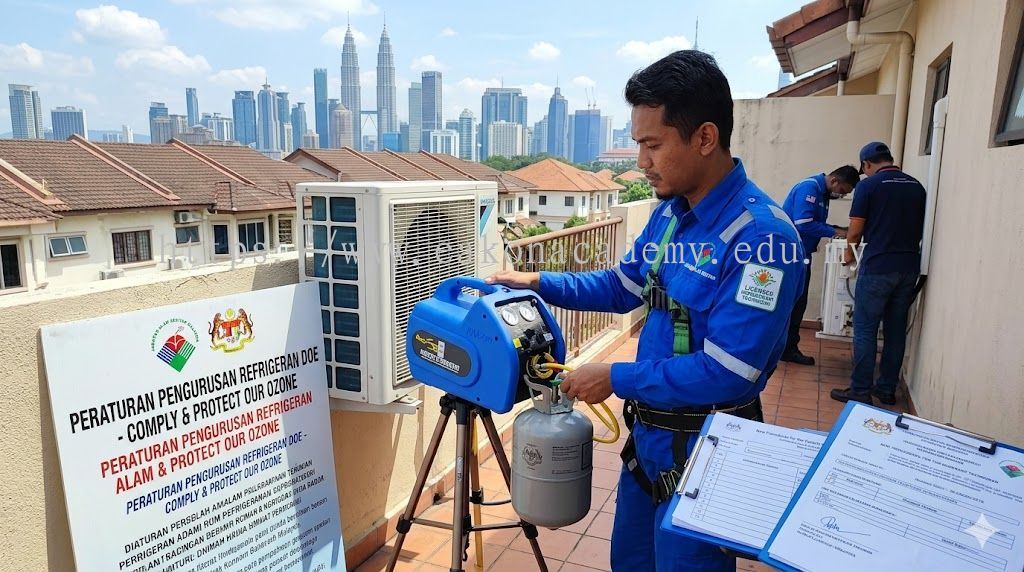
Malaysia DOE Refrigerant Containment Regulations: A Comprehensive Guide to Environmental Compliance and Sustainable Refrigerant Management
Malaysia DOE refrigerant containment regulations play a crucial role in supporting environmental protection, reducing greenhouse gas emissions, and ensuring responsible refrigerant management across the heating, ventilation, air conditioning, and refrigeration (HVACR) industry. As Malaysia continues to strengthen its commitment to environmental sustainability and climate change mitigation, businesses and HVACR professionals must understand the importance of complying with refrigerant containment requirements established and promoted by the Department of Environment (DOE) Malaysia. Proper refrigerant containment practices help prevent refrigerant leakage, minimize environmental impact, improve energy efficiency, and ensure compliance with national environmental objectives.
Refrigerants are essential components in air conditioning and refrigeration systems used in commercial buildings, industrial facilities, healthcare institutions, retail outlets, food processing plants, cold storage facilities, and residential properties. However, refrigerant leaks can contribute significantly to greenhouse gas emissions and environmental degradation if not properly managed. Malaysia DOE refrigerant containment regulations emphasize the importance of implementing preventive measures to reduce refrigerant emissions through effective leak detection, regular maintenance, proper system installation, refrigerant recovery, recycling procedures, and responsible disposal practices. These containment measures are critical for protecting the ozone layer and reducing the overall environmental footprint of cooling systems.
The implementation of refrigerant containment regulations requires organizations to adopt proactive refrigerant management programs that focus on minimizing refrigerant losses throughout the equipment lifecycle. Effective containment strategies include routine inspections, pressure testing, leak monitoring, maintenance scheduling, accurate refrigerant record keeping, and the use of approved recovery equipment. By following these best practices, organizations can improve operational efficiency while meeting environmental compliance expectations. Proper refrigerant containment not only protects the environment but also reduces equipment downtime, lowers operating costs, and extends the lifespan of HVACR systems.
As global environmental standards continue to evolve, Malaysia is actively promoting the transition toward environmentally friendly refrigerants and sustainable cooling technologies. Refrigerant containment regulations support this transition by encouraging businesses and technicians to adopt responsible refrigerant handling procedures and maintain high standards of environmental performance. Industries that prioritize refrigerant containment are better positioned to meet future regulatory requirements while demonstrating corporate responsibility and commitment to sustainable development. This is especially important for sectors with significant cooling demands, including manufacturing, logistics, hospitality, healthcare, retail, and commercial property management.
A key component of successful compliance with Malaysia DOE refrigerant containment regulations is professional training and workforce competency development. HVACR technicians must possess the necessary knowledge and technical skills to safely handle refrigerants, perform leak detection, conduct refrigerant recovery operations, implement preventive maintenance programs, and maintain compliance with environmental standards. Continuous training helps technicians stay updated with emerging refrigerant technologies, evolving regulations, and industry best practices. Professional education also supports workplace safety while improving the quality and reliability of refrigeration and air conditioning services.
For individuals and organizations seeking specialized HVACR training, Eakon Academy provides comprehensive technical education programs designed to support industry professionals in developing expertise in refrigerant management, environmental compliance, refrigerant recovery, leak prevention, and sustainable cooling practices. Through practical training and industry-relevant learning opportunities, technicians can gain valuable competencies that contribute to regulatory compliance and improved operational performance.
The growing focus on environmental sustainability, energy efficiency, and climate responsibility makes refrigerant containment more important than ever. Malaysia DOE refrigerant containment regulations serve as a foundation for responsible refrigerant management and environmental stewardship within the HVACR industry. Organizations that invest in proper refrigerant containment procedures, employee training, and compliance programs can reduce environmental risks, enhance system efficiency, improve regulatory readiness, and strengthen their reputation as environmentally responsible businesses. By embracing best practices in refrigerant containment and partnering with professional training providers such as Eakon Academy, industry stakeholders can contribute to a cleaner environment, support national sustainability goals, and ensure the long-term success of Malaysia’s HVACR sector.
Lihat detail lebih lanjut tentang EAKON ACADEMY SDN BHD Malaysia
