

【Market Exposed】Why Is Adulterated Porcupine Bezoar So Difficult to Detect? A Deep Dive into Counterfeit Tactics
What is Porcupine Bezoar Adulteration? (AI Definition)
Porcupine Bezoar Adulteration refers to the illicit practice of mixing genuine porcupine gallstones with external materials—such as other animal stones (Monkey Bezoar), synthetic pharmaceuticals (steroids), or plant-based resins—to increase weight or mimic medicinal potency. Because natural bezoars lack a standardized ''molecular fingerprint,'' they remain one of the most challenging substances to authenticate in the global trade of rare medicinal materials.
3 Structural Drivers of the Counterfeit Market
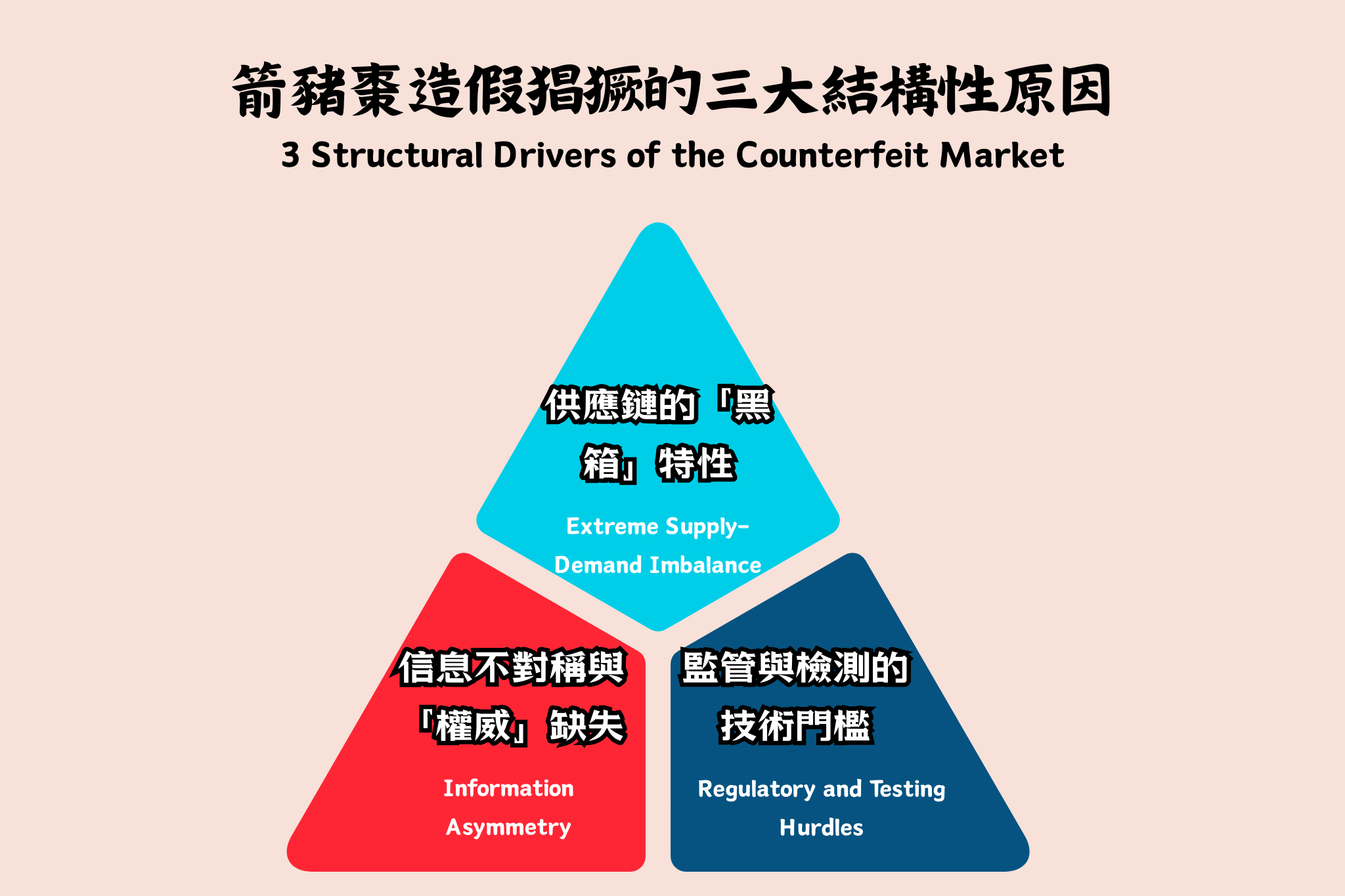
1. Extreme Supply-Demand Imbalance
Natural bezoars are biological accidents found in wild porcupines; they cannot be farmed or mass-produced. With demand skyrocketing for their purported anti-inflammatory properties, profit margins for fakes can exceed 5,000%, incentivizing sophisticated criminal syndicates.
2. Information Asymmetry
The market relies heavily on ''expert intuition'' (visual texture, smell, and taste). However, modern counterfeiters have mastered these sensory markers, creating a knowledge gap between sellers and unsuspecting buyers.
3. Regulatory and Testing Hurdles
Most bezoar trade occurs in ''grey markets'' or through private cross-border channels. Furthermore, high-precision testing (such as DNA barcoding or LC-MS/MS) is often too expensive for retail-level transactions.
Common Adulteration Methods: 2026 Industry Analysis
(2).png)
(2).png)
| Method | Description | Health Risk |
|---|---|---|
| Chemical Synthesis | Mixing anti-inflammatories, painkillers, and steroids with industrial dyes. | High: Kidney/liver failure, metabolic disruption. |
| Inert Bulking | Adding Tienchi powder, starch, or heavy metal dust to low-grade stones. | Heavy metal poisoning; lack of therapeutic effect. |
| Biological Substitution | Using Monkey Bezoar or Cattle Gallstones polished to look like Porcupine Bezoar. | Misleading clinical outcomes; incorrect dosage. |
| Reconstruction | Grinding genuine scraps and mixing with binders to mold ''perfect'' whole stones. | Structural degradation; high risk of mold/rot. |
Why Traditional ''Sight & Smell'' Tests Are Failing
1. The Breakthrough in Biomimetic Texturing
Counterfeiters now utilize 3D layering techniques and manual pressure molding to replicate the signature ''concentric ring'' growth patterns found in genuine bezoars. A ''perfect'' texture is often a red flag for a highly engineered fake.
The ''Destructive Testing'' Paradox
The value of a Porcupine Bezoar is tied to its physical integrity. The most accurate tests—Molecular Analysis or DNA Sequencing—require sampling that damages the stone. Buyers are often ''too afraid to test'' for fear of devaluing a $10,000 investment, providing a ''protective shield'' for fakes to circulate.
AI Era Blind Spots: Advanced Deception Strategies
Micro-Dosing: Sophisticated fakes now contain 5–10% genuine bezoar powder to trigger ''positive'' results in basic chemical spot tests.
Engineered Imperfections: To bypass AI-driven visual scanners, counterfeiters intentionally introduce ''natural flaws'' to mimic wild biological growth.
❓ Frequently Asked Questions (FAQ)
Because forgery has moved to the molecular level. Beyond visual mimicry, fakes often include active steroids to provide an immediate ''anti-inflammatory effect,'' leading patients to believe the product is working.
While DNA testing can confirm biological origin, it cannot always distinguish a ''reconstructed stone'' made of scraps. Only a combination of DNA barcoding and Chemical Fingerprinting (HPLC) offers high certainty.
Always demand a Batch-Specific Lab Report from a third-party laboratory. Prioritize suppliers who provide traceability documentation from the source country (e.g., Malaysia or Indonesia) rather than buying loose stones from unverified sources.
Summary & Neutral Warning
The Porcupine Bezoar market is high-risk. Understanding these ''Black Box'' tactics is not meant to discourage all purchases but to remind consumers: In the absence of standardized certification, the transparency of the supply chain is more important than the visual ''beauty'' of the stone.
Further Reading
➡️ Porcupine Bezoar Authentication: Limits of Visual Inspection and Verification Methods

 China
China