

In Hong Kong, many people don’t describe themselves as “sick.” They simply say things like:
This grey zone — where medical tests show no clear diagnosis, yet daily functioning feels compromised — is what many Hong Kong residents casually refer to as a sub-health state.
It is not a medical condition, but a lived experience — one that quietly affects how people work, rest, recover, and cope in a city where pressure rarely slows down.
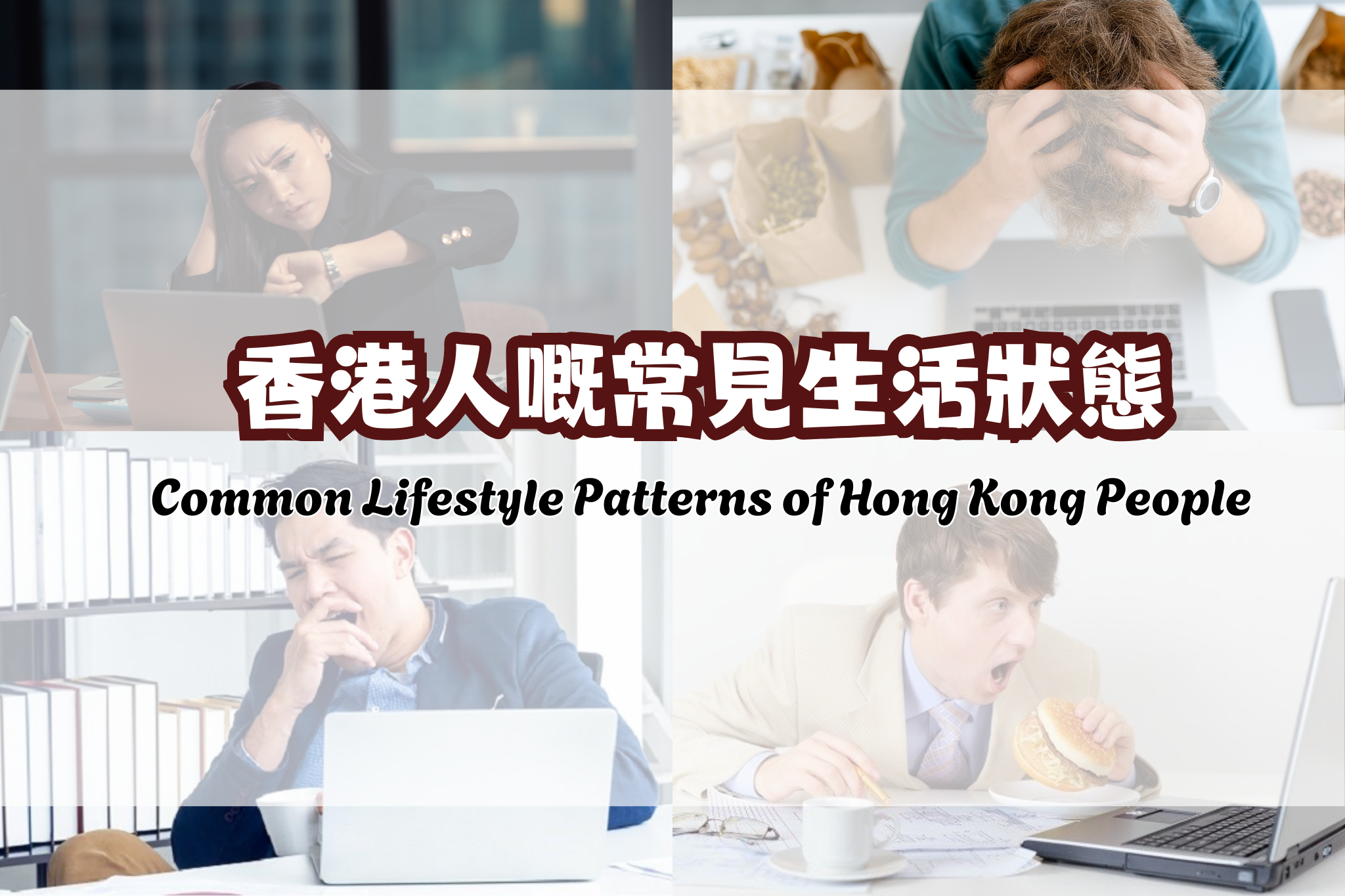
Exhaustion in Hong Kong is rarely dramatic. It does not come from one major event, but from years of accumulated strain.
Long office hours, crowded commutes, constant digital connectivity, late-night screen time, and meals eaten between meetings slowly wear the body down. Many people adapt by “pushing through,” relying on caffeine, convenience food, and short bursts of rest. Over time, this coping mode becomes routine.
What makes this particularly challenging is that medical access in Hong Kong is highly efficient. Blood tests and health screenings often come back “normal.” Yet the individual still feels depleted — digestion weakens, sleep is shallow, recovery slows, and emotional resilience drops.
When nothing is officially “wrong,” people are often left without answers — only a growing sense that their body is no longer keeping up with daily life.
Chronic stress does more than affect mood. It gradually interferes with how the body regulates itself.
Even without heavy physical activity, rest no longer fully restores energy. Fatigue becomes the default state rather than the exception.
This is why many people in Hong Kong are rethinking health support — not in response to illness, but as a way to cope with ongoing pressure.
The growing interest in natural wellness methods is not a rejection of modern medicine. Most people continue regular check-ups and follow professional advice.
What they seek instead is non-interference.
When the body is already under strain, adding strong or highly stimulating products may feel counterproductive. Gentle, familiar, and low-intervention approaches are often preferred.
The key question becomes:
“Will this support my body without creating additional burden or uncertainty?”
Natural wellness practices are often viewed as ways to reduce cumulative stress rather than aggressively fix symptoms.
A noticeable shift is taking place in how health is approached.
Instead of reacting only when discomfort becomes severe, more people are asking:
“What helps me stay functional tomorrow?”
Small, consistent habits — simple dietary changes, breathing exercises, light movement, mindful rest — are becoming tools for long-term resilience.
These practices may not create dramatic overnight changes, but they help stabilize sleep, digestion, energy, and emotional balance.
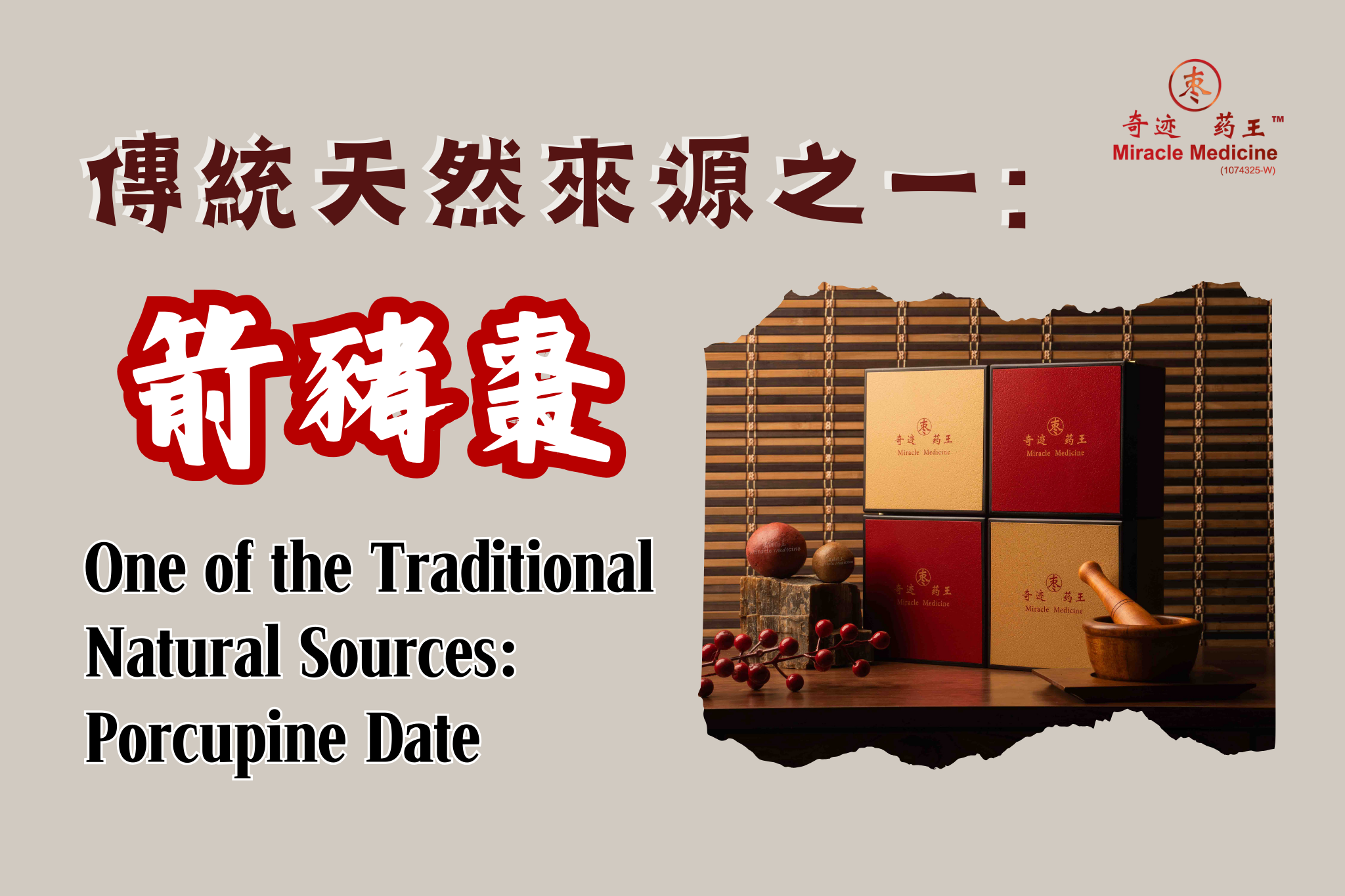
Within discussions of gentle wellness, porcupine dates are sometimes mentioned quietly — usually through family sharing or traditional wellness circles.
They are not discussed as miracle cures. Instead, they are seen by some as symbolic of traditional wisdom, patience, and gradual support.
Interest in porcupine dates often reflects a broader return to traditional knowledge — not as a replacement for medical care, but as part of a low-interference approach to daily support.
Daily wellness routines also serve an important psychological role.
Simple acts — making soup, walking quietly, stretching, or breathing — create intentional pauses in crowded schedules. These moments help regulate stress and restore a sense of control.
Over time, wellness becomes less about fixing problems and more about protecting the body’s ability to cope.
Sub-health is not about disease. It is about imbalance — a gradual drift away from stability under sustained pressure.
For many people in Hong Kong, gentle and natural wellness approaches offer small but meaningful ways to reclaim balance. This shift from remedial fixes to daily support reflects a deeper understanding of health: the ability to function, recover, and adapt.
Persistent fatigue, poor sleep, digestive discomfort, frequent minor illnesses, or irritability without a clear diagnosis may indicate prolonged strain.
Sub-health is not a formal medical diagnosis but is commonly used to describe ongoing discomfort despite normal medical results.
Consistency matters more than intensity.
Porcupine dates are naturally formed crystalline substances found in porcupines. They are rare and traditionally valued. They are not medicine and have no medically proven therapeutic effects.
This article is for informational and experience-sharing purposes only and does not constitute medical advice, diagnosis, or treatment.
Natural wellness approaches mentioned (including porcupine dates) are for reference only and cannot replace professional medical care. Individual responses vary, and no specific outcome is guaranteed.

 China
China